Nicholas Copeland – författare
Visar alla böcker från författaren Nicholas Copeland. Handla med fri frakt och snabb leverans.
3 produkter
3 produkter
Inbunden, Engelska, 2019
1 665 kr
Skickas inom 10-15 vardagar
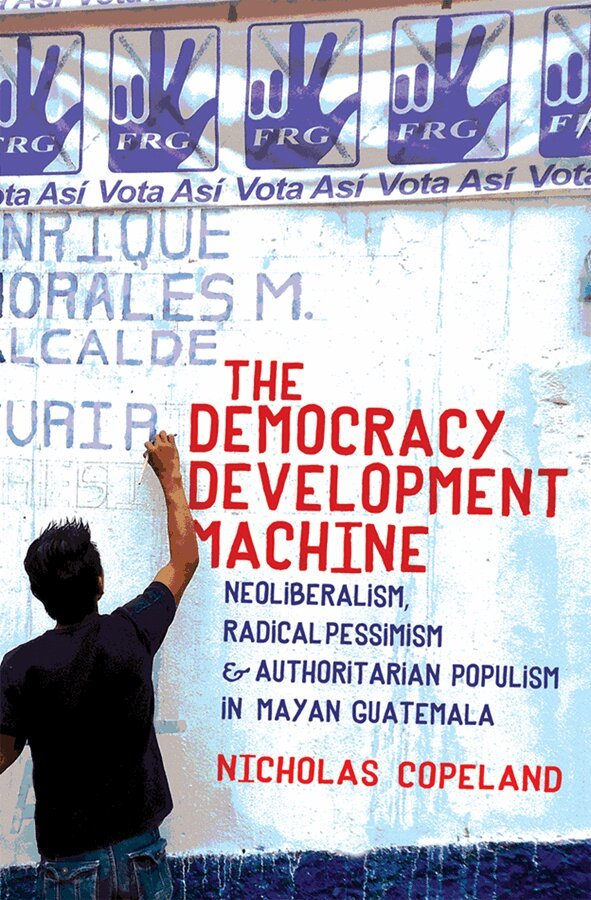
Nicholas Copeland sheds new light on rural politics in Guatemala and across neoliberal and post-conflict settings in The Democracy Development Machine. This historical ethnography examines how governmentalized spaces of democracy and development fell short, enabling and disfiguring an ethnic Mayan resurgence.In a passionate and politically engaged book, Copeland argues that the transition to democracy in Guatemalan Mayan communities has led to a troubling paradox. He finds that while liberal democracy is celebrated in most of the world as the ideal, it can subvert political desires and channel them into illiberal spaces. As a result, Copeland explores alternative ways of imagining liberal democracy and economic and social amelioration in a traumatized and highly unequal society as it strives to transition from war and authoritarian rule to open elections and free-market democracy.The Democracy Development Machine follows Guatemala's transition, reflects on Mayan involvement in politics during and after the conflict, and provides novel ways to link democratic development with economic and political development.Thanks to generous funding from Virginia Tech and its participation in TOME (Toward an Open Monograph Ecosystem), the ebook editions of this book are available as Open Access (OA) volumes from Cornell Open (cornellpress.cornell.edu/cornell-open) and other Open Access repositories.
Häftad, Engelska, 2019
322 kr
Skickas inom 10-15 vardagar
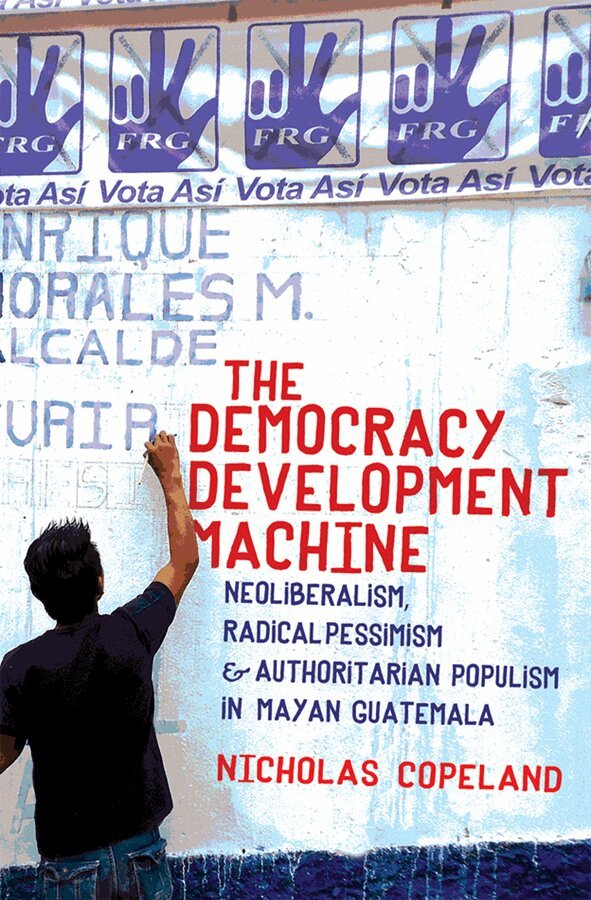
Nicholas Copeland sheds new light on rural politics in Guatemala and across neoliberal and post-conflict settings in The Democracy Development Machine. This historical ethnography examines how governmentalized spaces of democracy and development fell short, enabling and disfiguring an ethnic Mayan resurgence.In a passionate and politically engaged book, Copeland argues that the transition to democracy in Guatemalan Mayan communities has led to a troubling paradox. He finds that while liberal democracy is celebrated in most of the world as the ideal, it can subvert political desires and channel them into illiberal spaces. As a result, Copeland explores alternative ways of imagining liberal democracy and economic and social amelioration in a traumatized and highly unequal society as it strives to transition from war and authoritarian rule to open elections and free-market democracy.The Democracy Development Machine follows Guatemala's transition, reflects on Mayan involvement in politics during and after the conflict, and provides novel ways to link democratic development with economic and political development.Thanks to generous funding from Virginia Tech and its participation in TOME (Toward an Open Monograph Ecosystem), the ebook editions of this book are available as Open Access (OA) volumes from Cornell Open (cornellpress.cornell.edu/cornell-open) and other Open Access repositories.
E-bok
Spanska, 2016191 kr
Läs direkt efter köp
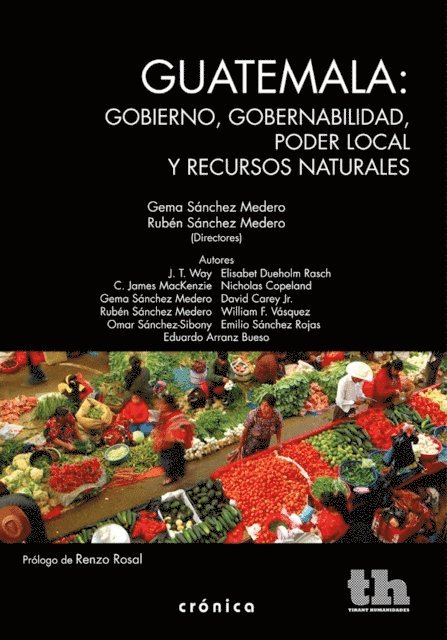
Esta obra es resultado del Proyecto "Poder local, incidencia política y gobernabilidad en temas de justicia ambiental, defensa del territorio y derechos de los pueblos indígenas en la Comunidades Mayas de Guatemala", financiado por la VIII Convocatoria de Proyectos de Cooperación al Desarrollo de la UCM. En la misma, distintos especialista en la materia abordan las diferentes problemáticas (violencia, conflictos, derechos humanos, multiculturalismo, sistema político, representación política, servicios comunitarios, geopolítica, justicia ambiental, etc) que afectan a un país que se encuentra en continua transformación. la importancia de este libro para todos aquellos que quieran conocer la realidad guatemalteca en todas sus dimensiones, especialmente de una sociedad que intenta construir una paz para la que hacen falta unas serie de condiciones estructurales que afronten las causas de las desigualdades sociales, el empobrecimiento, la impunidad, las injusticias que sufren las distintas etnias, etc. Actualmente, las amenazas a la paz social vienen de la violencia en sus múltiples dimensiones y en los factores que presionan los conflictos sociales, principalmente socioambientales y los políticos.