Nicholas Patruno – författare
Visar alla böcker från författaren Nicholas Patruno. Handla med fri frakt och snabb leverans.
4 produkter
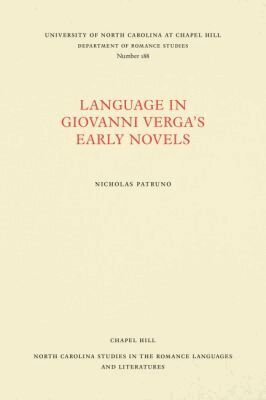
Language in Giovanni Verga's Early Novels
Häftad, 1977
380 kr
Lägg i varukorg
Volume 188 in the North Carolina Studies in the Romance Languages and Literatures series.
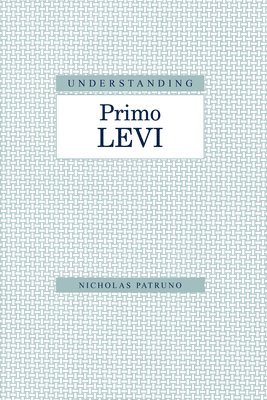
Understanding Primo Levi
Häftad, 2008
299 kr
Lägg i varukorg
This is a thorough introduction to an author who mixes devotion to art and science with the harrowing experiences of Auschwitz.Primo Levi emerged from the Holocaust as one of the most powerful voices to bear witness to the atrocities of the Nazi concentration camps. Italian by birth and Jewish by …
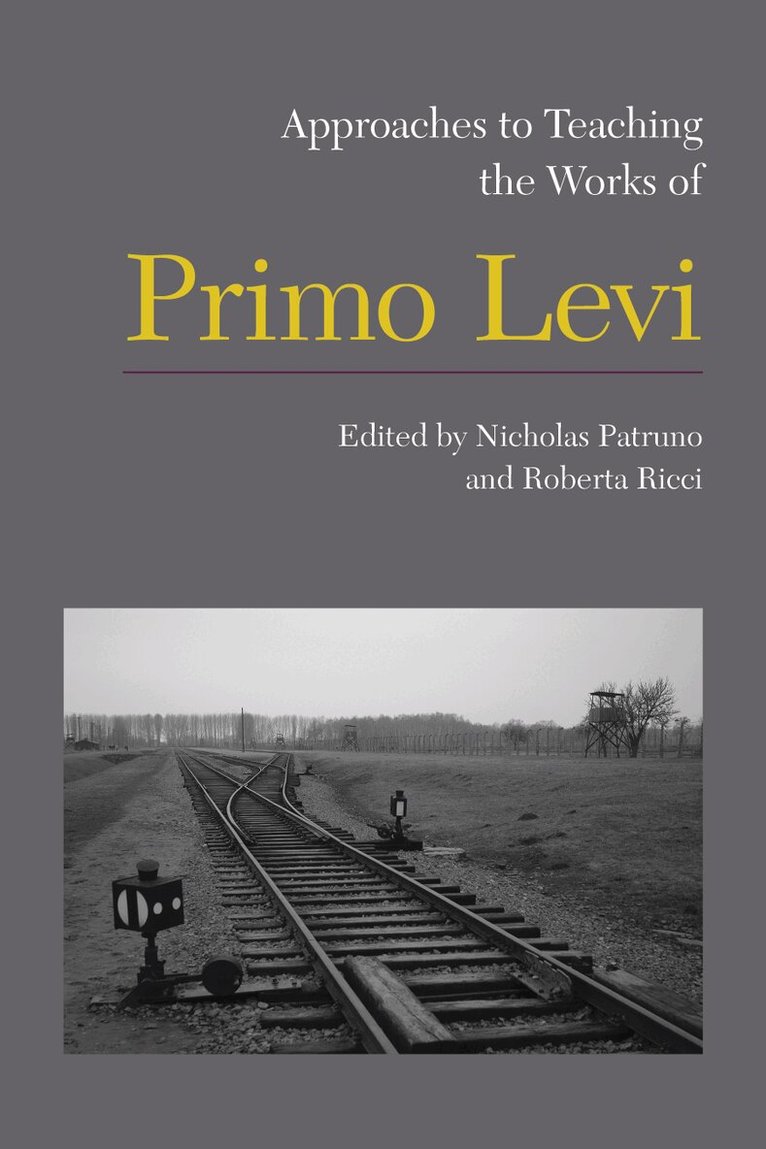
Approaches to Teaching the Works of Primo Levi
Av Nicholas Patruno, Roberta Ricci
Inbunden, 2014
1227 kr
Lägg i varukorg
Primo Levi, Holocaust survivor and renowned memorist, is one of the most widely read writers of post-World War II Italy. his works are characterised by the lean, dispassionate eloquence with which he approaches his experience of incarceration of in Auschwitz. His memoirs - as well as his poetry and …
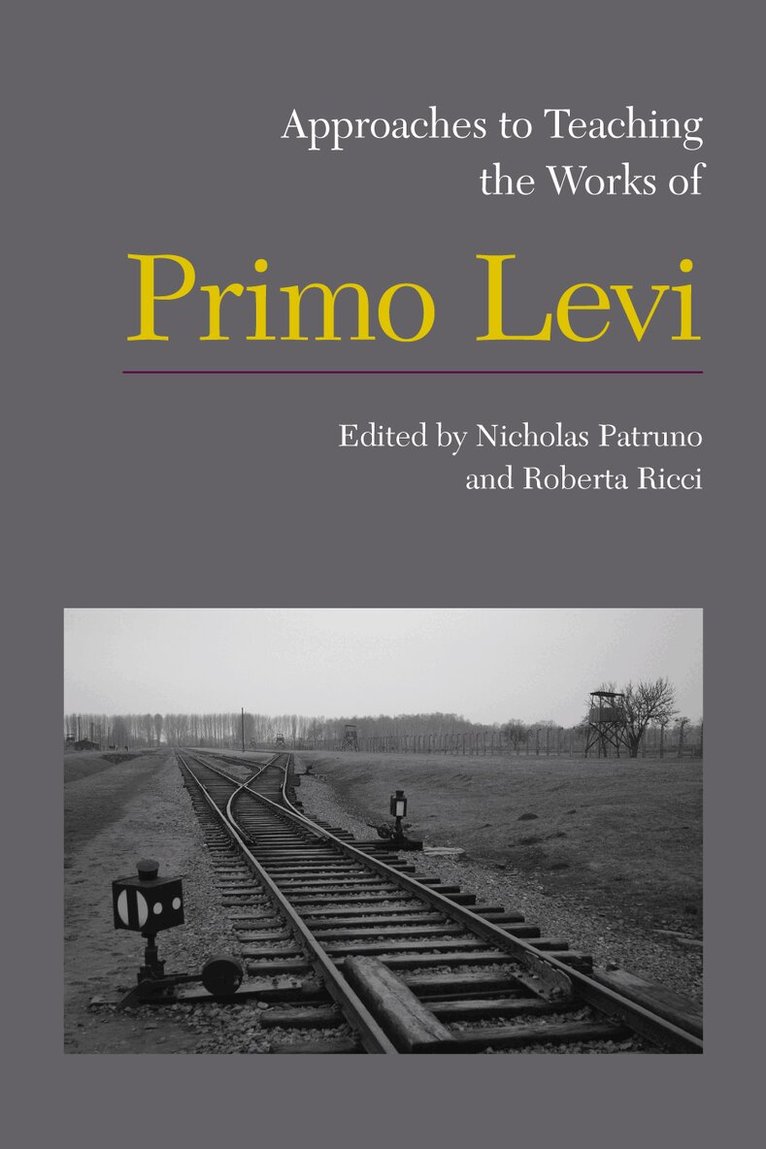
Approaches to Teaching the Works of Primo Levi
Av Nicholas Patruno, Roberta Ricci
Häftad, 2014
505 kr
Tillfälligt slut
The first part of this volume provides instructors with an overview of the available editions, anthologies, and translations of Levi's work and identifies other useful classroom aids, such as films, music, and online resources. In the second part, contributors describe different approaches to …