Nico Staring – författare
Visar alla böcker från författaren Nico Staring. Handla med fri frakt och snabb leverans.
3 produkter
3 produkter
123 kr
Läs direkt efter köp
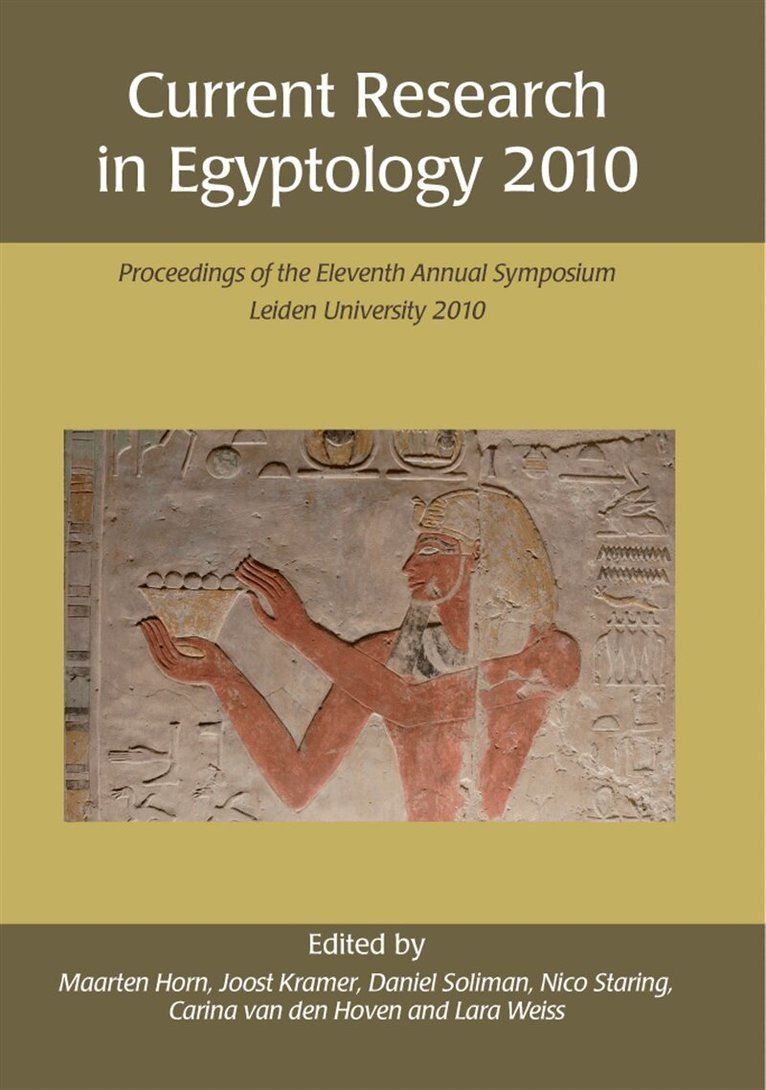
After having been held in the UK for the past 10 years, the 11th edition of the annual Current Research in Egyptology (CRE) graduate conference was held at Leiden University, The Netherlands in January 2010. As always, the main aim of the conference was to provide graduate and postgraduate students of Egyptology and Egyptian archaeology with the opportunity to present their research. The proceedings of this year's conference cover a wide range of topics from the Predynastic Period to modern Egypt. The papers reflect a similar variety in areas of research and scientific approach, for example, by applying the linguistic prototype theory to ancient Egyptian texts or by using an ethnoarchaeological approach for the study of modern mud-brick architecture. The topics covered include Egyptian religion, ranging from the Coffin Texts to the decoration of temple walls in Ptolemaic times, as well as sociological issues in the Middle and New Kingdom. Other contributions focus on the study of the chronology of the Middle Kingdom with the help of lunar ephemerides or well-stratified radiocarbon data versus pottery data. In summary, Proceedings of Current Research in Egyptology XI includes 19 selected papers on artefact studies, burial practices and provisioning for the afterlife, economy and sociology, history and chronological studies, linguistics, philology and religion.
Del 131 - Culture and History of the Ancient Near East
Saqqara Necropolis through the New Kingdom
Biography of an Ancient Egyptian Cultural Landscape
Inbunden, Engelska, 2022
1 671 kr
Skickas inom 5-8 vardagar
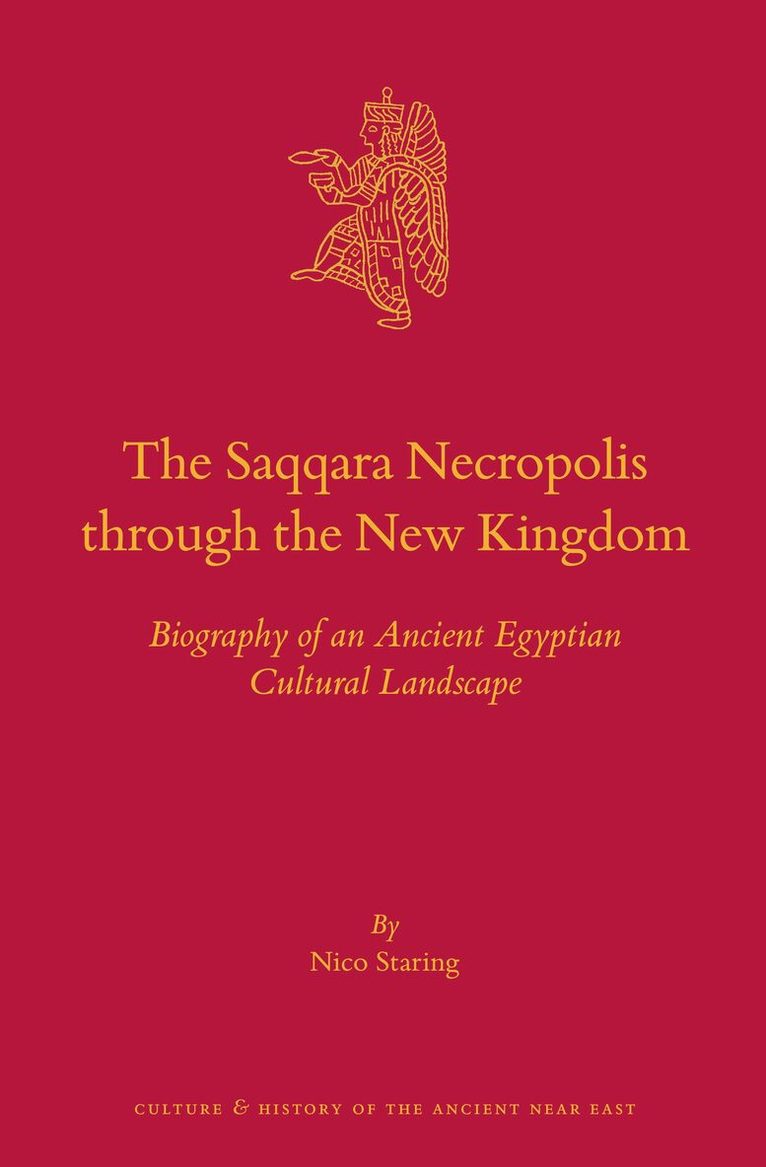
This book is the first comprehensive monographic treatment of the New Kingdom (1539–1078 BCE) necropolis at Saqqara, the burial ground of the ancient Egyptian city of Memphis, and addresses questions fundamental to understanding the site’s development through time. For example, why were certain areas of the necropolis selected for burial in certain time periods; what were the tombs’ spatial relations to contemporaneous and older monuments; and what effect did earlier structures have on the positioning of tombs and structuring of the necropolis in later times? This study adopts landscape biography as a conceptual tool to study the long-time interaction between people and landscapes.
Häftad, Engelska, 2022
528 kr
Skickas inom 3-6 vardagar
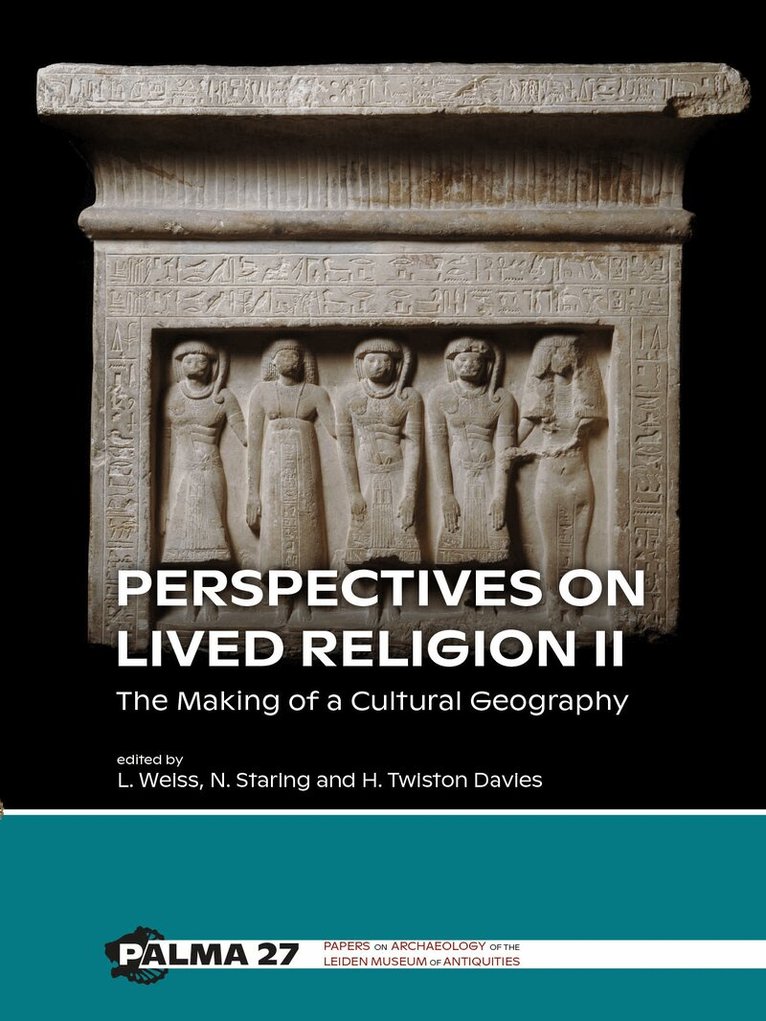
Ancient Egyptian elites invested immense cultural and economic efforts in preparing for their afterlives. However, the diversity of choices open to them is often overlooked. These choices included tomb size, tomb location, and architectural design, as well as tomb decoration, and the selection of certain grave gifts. Their choices depended on financial means, but also on contemporary fashion, among other factors. Ancient sites were visited by the living to commemorate and rejuvenate human ancestors and the gods, as individual acts or as part of large-scale processions. They also visited cemeteries because of new building activities, or to visit already-ancient monuments. The daily interactions of the living with their ancestors and gods are traceable in the evidence of lived religious practices, the transmission of texts and images, and the processes which shaped the landscape. Older monuments and stories remained accessible, and the ongoing use of the site created a palimpsest landscape, showing the results of millennia of human activity. These results of past activities could hold special significance for later generations, but new meanings often supplanted older interpretations.Building on the success of Perspectives on Lived Religion, Perspective on Lived Religion II presents the results of a conference held in Cairo, September 29th – October 1st 2019, and kindly funded by the Dutch Research Council (NWO) Vidi Talent Scheme, as part of the Leiden University research project “The Walking Dead at Saqqara: The Making of a Cultural Geography”. The papers presented here are written by both well-established and more recent Egyptologists, and examine examples of human agency at various sites in ancient Egypt, such as Saqqara, Thebes, Abydos, and Pi-Ramesse. These case studies examine which traditions were followed, disputed, and negotiated by whom and where in ancient Egypt, as well as discussing the modern perception of some of these traditions.