
NicolA2 Conti – författare
552 kr
Läs direkt efter köp
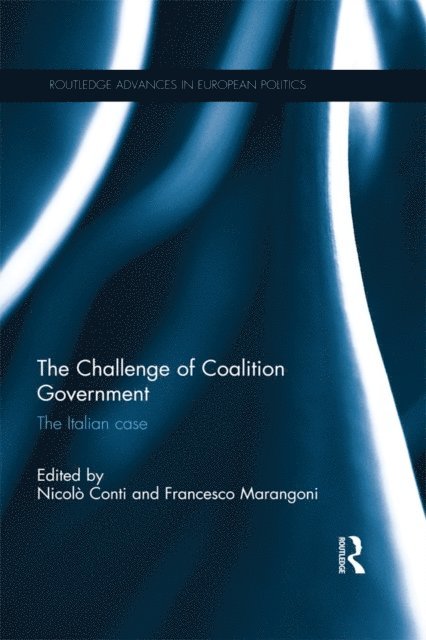
Since the advent of the Second Republic in Italy in the mid-1990s, a new generation of politicians has announced a shift in the system toward greater governmental leadership, policy innovation, government accountability and responsiveness to the citizens. Yet in recent years government has experienced frequent crises and deadlocks, policy blockades and undisciplined parliamentary majorities. Has the attempt to change the nature of the Italian government totally failed?
This book addresses this question by empirically assessing and theoretically evaluating the outcomes of the new system. It asks whether there has really been a shift toward a more majoritarian democracy and examines why alternation in power has failed to produce a more efficient and responsive government. It evaluates the connections between cabinet, parliament, parties and citizens, and in doing so, brings together diverse areas of inquiry such as government, legislative, party and public opinion studies. Drawing from comparative theory but also considering the impact of country-specific determinants, it explains the very nature of the Italian government from the point of view of its achievements and its failures.
This text will be of key interest to scholars and students of government, comparative and Italian politics, and more broadly those with an interest in government, democracy and Italy.
552 kr
Läs direkt efter köp
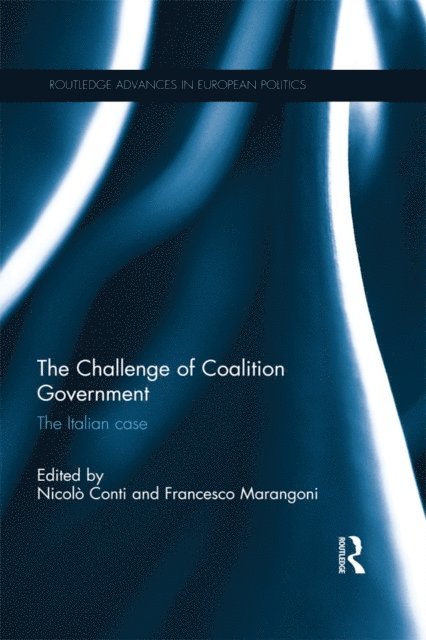
Since the advent of the Second Republic in Italy in the mid-1990s, a new generation of politicians has announced a shift in the system toward greater governmental leadership, policy innovation, government accountability and responsiveness to the citizens. Yet in recent years government has experienced frequent crises and deadlocks, policy blockades and undisciplined parliamentary majorities. Has the attempt to change the nature of the Italian government totally failed?
This book addresses this question by empirically assessing and theoretically evaluating the outcomes of the new system. It asks whether there has really been a shift toward a more majoritarian democracy and examines why alternation in power has failed to produce a more efficient and responsive government. It evaluates the connections between cabinet, parliament, parties and citizens, and in doing so, brings together diverse areas of inquiry such as government, legislative, party and public opinion studies. Drawing from comparative theory but also considering the impact of country-specific determinants, it explains the very nature of the Italian government from the point of view of its achievements and its failures.
This text will be of key interest to scholars and students of government, comparative and Italian politics, and more broadly those with an interest in government, democracy and Italy.
505 kr
Läs direkt efter köp
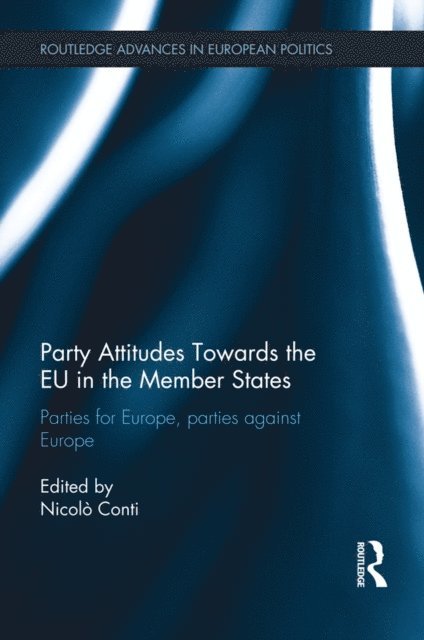
In a moment where the EU is facing an important number of challenges, there is growing interest in understanding how parties influence the way Europe evolves as a political issue, notably how parties structure domestic competition over European issues and they mobilise sentiments in referenda over European integration .
This book examines the views of national parties towards the European Union and the different facets of a supranational citizenship. It provides an in-depth investigation into the variations to the cross-national patterns in ten countries, including old and new member states and different EU regions. Using original and innovative concepts, data and research techniques the authors:
Explore whether parties formulate specific positions and preferences on the most particular aspects of the EU process.
Investigate whether the party’s stance could be inserted into more pro-European, or more Eurosceptical attitudes.
Illustrate patterns of party contestation of the EU issues in the member states and explains these patterns in the light of the main theoretical arguments.
Making an important contribution to party attitudes towards the EU and the Europeanisation of party politics, this book will be of interest to students and scholars of European politics, sociology, comparative politics, government and party politics
505 kr
Läs direkt efter köp
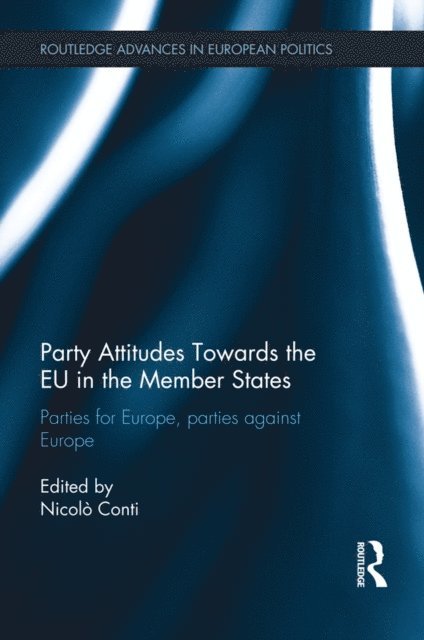
In a moment where the EU is facing an important number of challenges, there is growing interest in understanding how parties influence the way Europe evolves as a political issue, notably how parties structure domestic competition over European issues and they mobilise sentiments in referenda over European integration .
This book examines the views of national parties towards the European Union and the different facets of a supranational citizenship. It provides an in-depth investigation into the variations to the cross-national patterns in ten countries, including old and new member states and different EU regions. Using original and innovative concepts, data and research techniques the authors:
Explore whether parties formulate specific positions and preferences on the most particular aspects of the EU process.
Investigate whether the party’s stance could be inserted into more pro-European, or more Eurosceptical attitudes.
Illustrate patterns of party contestation of the EU issues in the member states and explains these patterns in the light of the main theoretical arguments.
Making an important contribution to party attitudes towards the EU and the Europeanisation of party politics, this book will be of interest to students and scholars of European politics, sociology, comparative politics, government and party politics
730 kr
Läs direkt efter köp
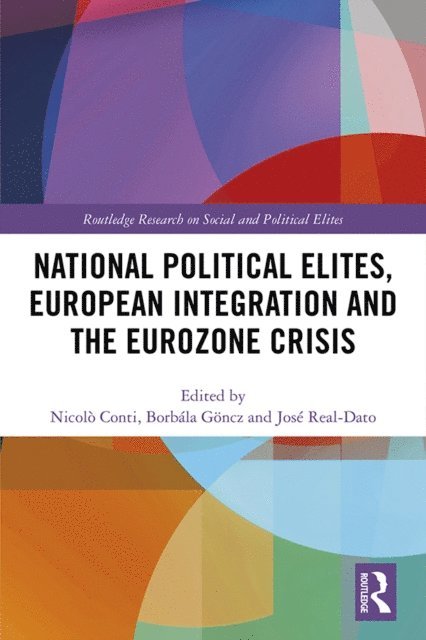
The global financial, economic and sovereign debt crisis since 2008 has led to increases in political disaffection among citizens, a loss of legitimacy of political institutions, the discredit of mainstream parties and the rise of extremist or anti-system political alternatives.
This comparative volume sheds greater light on this critical juncture in the recent history of the European Union (EU) by focusing on the evolution of attitudes of national political elites. It examines whether the crisis has affected the legitimacy of the EU integration project as perceived by national political elites and, consequently, if the elite consensus that constituted one of the most solid fundamentals supporting that project has been eroded. Analysing these changes across the different dimensions in which support for the EU is organized and its relationship with the evolution of support towards European integration among citizens in member states, the book addresses a basic question: How have these events affected the perceptions of the EU of national political elites? Ultimately, it sheds light on the evolution of the relationship between the perception of the EU and the national contexts, as well as the likely evolution of the project of European integration in the near future.
This book will be of key interest to scholars and students of political elites, EU politics, European integration, political parties, and more broadly to comparative politics, European studies and sociology.
757 kr
Läs direkt efter köp
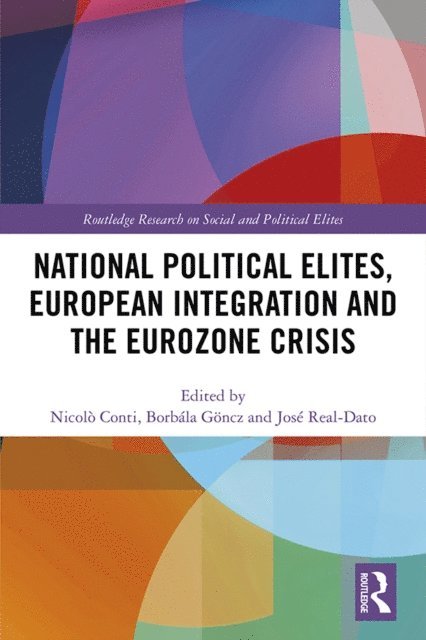
The global financial, economic and sovereign debt crisis since 2008 has led to increases in political disaffection among citizens, a loss of legitimacy of political institutions, the discredit of mainstream parties and the rise of extremist or anti-system political alternatives.
This comparative volume sheds greater light on this critical juncture in the recent history of the European Union (EU) by focusing on the evolution of attitudes of national political elites. It examines whether the crisis has affected the legitimacy of the EU integration project as perceived by national political elites and, consequently, if the elite consensus that constituted one of the most solid fundamentals supporting that project has been eroded. Analysing these changes across the different dimensions in which support for the EU is organized and its relationship with the evolution of support towards European integration among citizens in member states, the book addresses a basic question: How have these events affected the perceptions of the EU of national political elites? Ultimately, it sheds light on the evolution of the relationship between the perception of the EU and the national contexts, as well as the likely evolution of the project of European integration in the near future.
This book will be of key interest to scholars and students of political elites, EU politics, European integration, political parties, and more broadly to comparative politics, European studies and sociology.