Nina Beguš - Böcker
Visar alla böcker från författaren Nina Beguš. Handla med fri frakt och snabb leverans.
4 produkter
4 produkter
349 kr
Skickas inom 7-10 vardagar
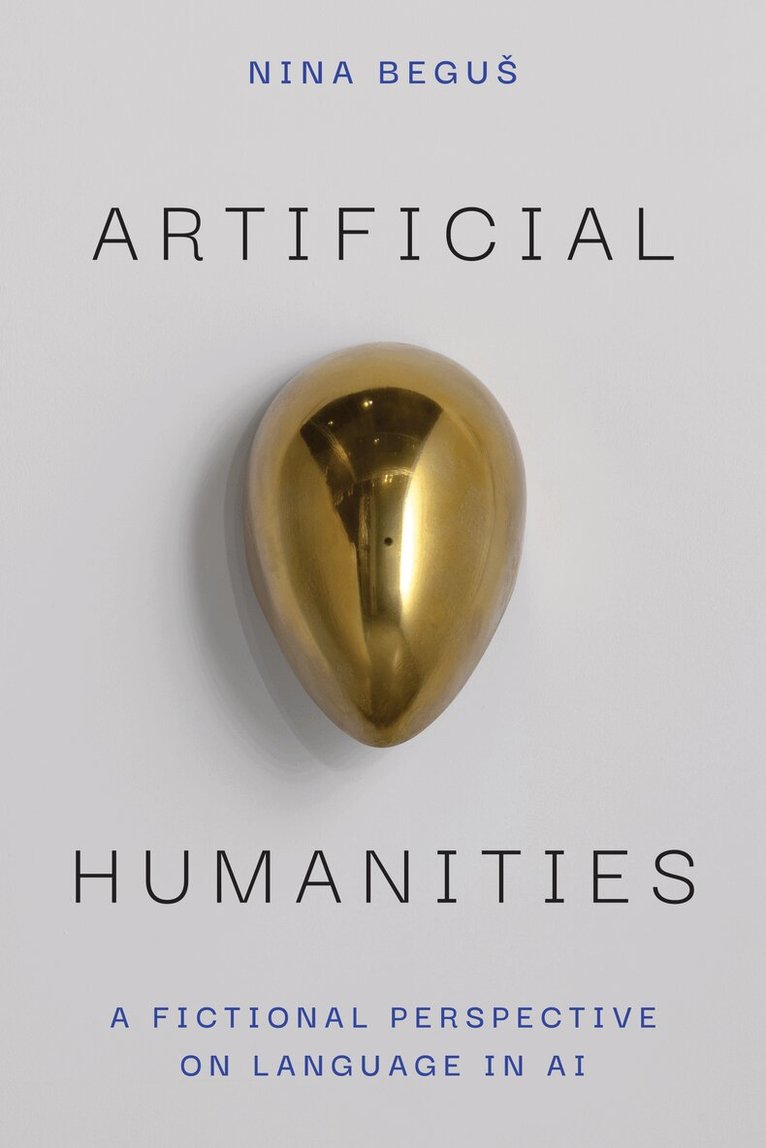
Artificial Humanities explores how literature, history, and art can deepen our understanding of artificial intelligence and its development. By examining fictional representations of AI in parallel with actual technological developments, Nina Beguš presents a novel interdisciplinary framework for understanding the cultural, philosophical, and ethical dimensions of AI. She traces connections from Eliza Doolittle to ELIZA the chatbot and current language models, incorporates Slavic fictional examples from the Pygmalion paradigm, and compares mid-century science fiction and recent Hollywood films with contemporary developments in social robotics and virtual beings.Highlighting the impact of human-like AI design, from gendered virtual assistants to romanticized social robots, the book shows how these technologies intersect with longstanding humanistic questions about the concepts of creativity and language as well as the relations between humans and machines. Additionally, the book explores AI’s applications in medical fields, particularly psychiatry and neurotechnology, including how AI interacts with the human body and mind to address conditions like paralysis. By emphasizing the philosophical and cultural implications of these technologies, Beguš highlights the need for responsible innovation that prioritizes human well-being as well as machine potential outside of human imitation. Accessible and thought-provoking, Artificial Humanities offers tools for analyzing and assessing technologies while they are being developed and invites readers to see how the humanities can guide us toward a more thoughtful future for AI.
287 kr
Kommande
First Encounters with AI gathers some of today’s most original literary minds to explore one of the central artistic and cultural questions of our era: What happens to writing when language is no longer used only by humans? As large language models enter the public imagination and everyday creative practice, writers across genres—novelists, poets, screenwriters, essayists, translators, scholars, technologists, language artists—are grappling with profound shifts in how stories are conceived, crafted, and shared.This volume brings together seventeen acclaimed contributors from around the world to reflect on their early, intimate encounters with generative text at a moment when artificial intelligence feels at once thrilling, unsettling, and unavoidable. Their essays portray AI not as a monolith, but as a dynamic field of possibility and tension between creativity and computation, where longstanding human questions about intention, desire, authorship, labor, and value gain new urgency. Ranging from deeply personal meditations to critical provocations, from philosophical investigations to playful experiments, these writers reveal how writing tools shape writing itself—and what is at stake when those tools begin to imitate us. Curated and introduced by editor Nina Beguš, First Encounters with AI offers readers an essential guide to navigating this new literary landscape. Together, these essays map the terrain of our first contact zone with AI, offering clarity, insight, and imaginative depth at a moment of radical change.
1 721 kr
Skickas inom 7-10 vardagar
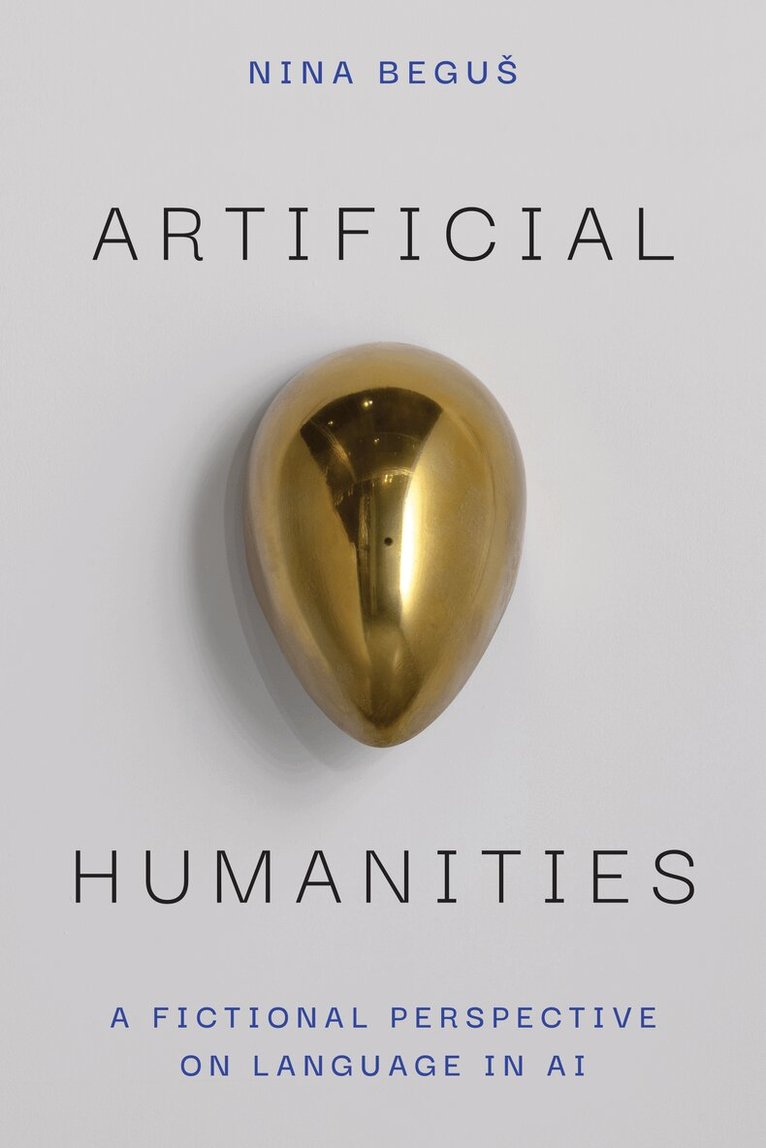
Artificial Humanities explores how literature, history, and art can deepen our understanding of artificial intelligence and its development. By examining fictional representations of AI in parallel with actual technological developments, Nina Beguš presents a novel interdisciplinary framework for understanding the cultural, philosophical, and ethical dimensions of AI. She traces connections from Eliza Doolittle to ELIZA the chatbot and current language models, incorporates Slavic fictional examples from the Pygmalion paradigm, and compares mid-century science fiction and recent Hollywood films with contemporary developments in social robotics and virtual beings.Highlighting the impact of human-like AI design, from gendered virtual assistants to romanticized social robots, the book shows how these technologies intersect with longstanding humanistic questions about the concepts of creativity and language as well as the relations between humans and machines. Additionally, the book explores AI’s applications in medical fields, particularly psychiatry and neurotechnology, including how AI interacts with the human body and mind to address conditions like paralysis. By emphasizing the philosophical and cultural implications of these technologies, Beguš highlights the need for responsible innovation that prioritizes human well-being as well as machine potential outside of human imitation. Accessible and thought-provoking, Artificial Humanities offers tools for analyzing and assessing technologies while they are being developed and invites readers to see how the humanities can guide us toward a more thoughtful future for AI.
678 kr
Kommande
First Encounters with AI gathers some of today’s most original literary minds to explore one of the central artistic and cultural questions of our era: What happens to writing when language is no longer used only by humans? As large language models enter the public imagination and everyday creative practice, writers across genres—novelists, poets, screenwriters, essayists, translators, scholars, technologists, language artists—are grappling with profound shifts in how stories are conceived, crafted, and shared.This volume brings together seventeen acclaimed contributors from around the world to reflect on their early, intimate encounters with generative text at a moment when artificial intelligence feels at once thrilling, unsettling, and unavoidable. Their essays portray AI not as a monolith, but as a dynamic field of possibility and tension between creativity and computation, where longstanding human questions about intention, desire, authorship, labor, and value gain new urgency. Ranging from deeply personal meditations to critical provocations, from philosophical investigations to playful experiments, these writers reveal how writing tools shape writing itself—and what is at stake when those tools begin to imitate us. Curated and introduced by editor Nina Beguš, First Encounters with AI offers readers an essential guide to navigating this new literary landscape. Together, these essays map the terrain of our first contact zone with AI, offering clarity, insight, and imaginative depth at a moment of radical change.