Nortin M. Hadler – författare
Visar alla böcker från författaren Nortin M. Hadler. Handla med fri frakt och snabb leverans.
9 produkter
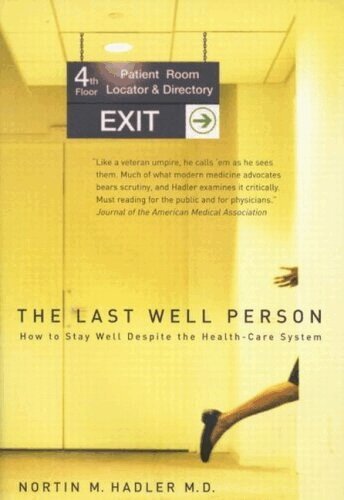
Last Well Person
How to Stay Well Despite the Health-Care System
Häftad, 2007
253 kr
Lägg i varukorg
A controversial skewering of how doctors and the medical industry turn healthy people into patients.
Last Well Person
How to Stay Well Despite the Health-Care System
E-bok, 2004
235 kr
Lägg i varukorg
Hadler systematically builds the case that many medical interventions are hazardous to our health. Especially insidious is the misuse of longevity statistics in turning the difficulties experienced through a natural course of life, such as aging and osteoporosis, into illnesses. He argues that …
Worried Sick
A Prescription for Health in an Overtreated America
Häftad, 2012
589 kr
Lägg i varukorg
Nortin Hadler's clearly reasoned argument surmounts the cacophony of the health care debate. Hadler urges everyone to ask health care providers how likely it is that proposed treatments will afford meaningful benefits and he teaches how to actively listen to the answer. Each chapter of Worried Sick …
Stabbed in the Back
Confronting Back Pain in an Overtreated Society
Häftad, 2018
275 kr
Lägg i varukorg
Nortin Hadler knows backaches. For more than three decades as a physician and medical researcher, he has studied the experience of low back pain in people who are otherwise healthy. Hadler terms the low back pain that everyone suffers at one time or another ""regional back pain."" In this book, he …
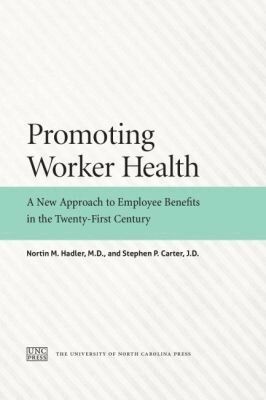
Promoting Worker Health
A New Approach to Employee Benefits in the Twenty-First Century
Av Nortin M. Hadler, Stephen P. Carter
Häftad, 2018
80 kr
Lägg i varukorg
In this extended essay, Nortin M. Hadler and Stephen P. Carter introduce a new approach to reforming the American health-care system-a plan they call the Universal Workers' Compensation Model (UWCM). Drawing on Hadler's expertise as a physician and Carter's as an attorney, the two have conceived …
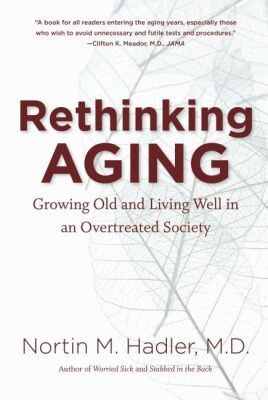
Rethinking Aging
Growing Old and Living Well in an Overtreated Society
Häftad, 2019
342 kr
Lägg i varukorg
For those fortunate enough to reside in the developed world, death before reaching a ripe old age is a tragedy, not a fact of life. Although aging and dying are not diseases, older Americans are subject to the most egregious marketing in the name of ""successful aging"" and ""long life,"" as if …
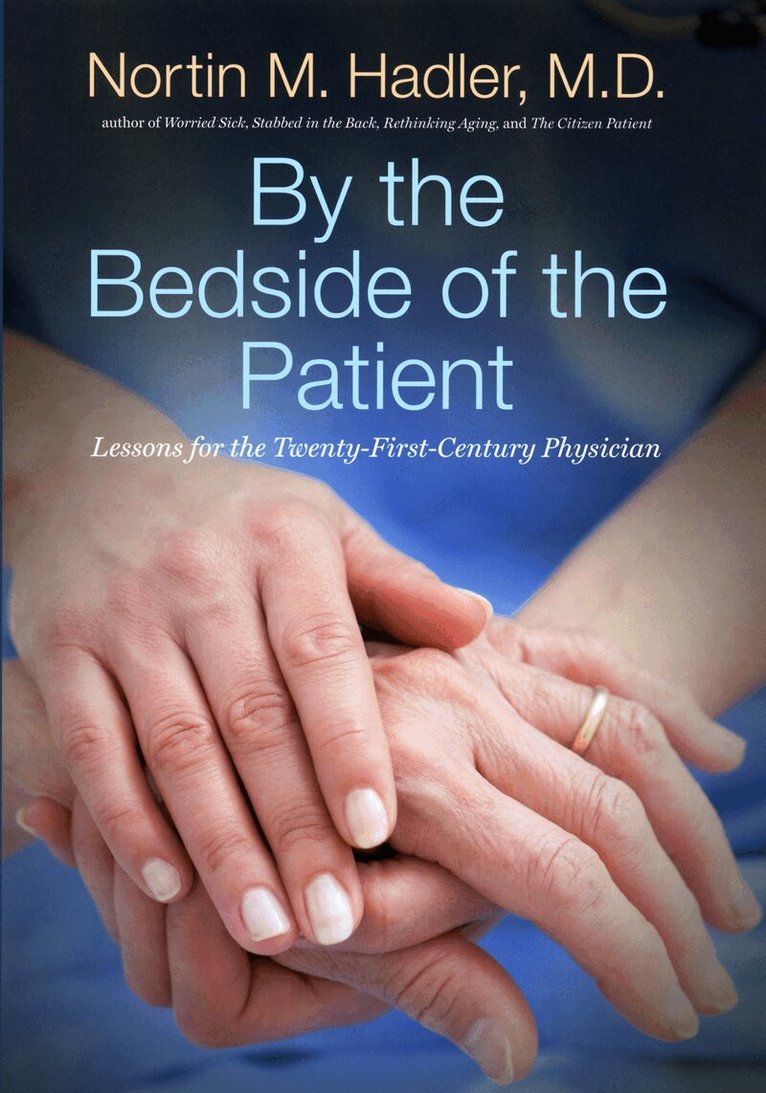
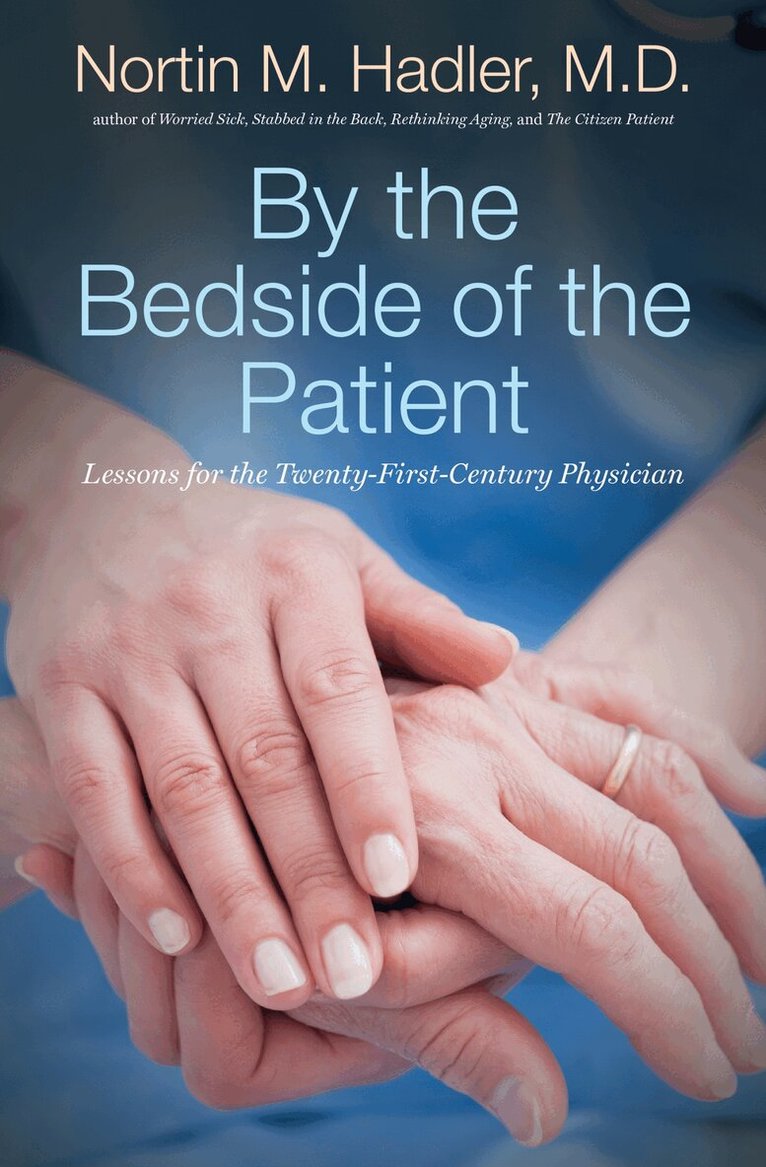
By the Bedside of the Patient
Lessons for the Twenty-First-Century Physician
Häftad, 2024
313 kr
Lägg i varukorg
In By the Bedside of the Patient, Nortin Hadler places current efforts to reform medical education--from the undergraduate level through residency programs and on to continuing medical education--in historical context. In doing so, he traces the evolution of medical school curricula, residency and …
Arthritis and Society
The Impact of Musculoskeletal Diseases
Av Dennis B. Gillings, Nortin M. Hadler
E-bok, 2013
831 kr
Lägg i varukorg
Arthritis and Society examines the interaction between the structure of our society and the impact of rheumatic diseases on the lifestyle of those afflicted. It has drawn the distinction between the private and public experience of illness in order to produce a comprehensive analysis of the impact …
By the Bedside of the Patient
Lessons for the Twenty-First-Century Physician
Inbunden, 2016
353 kr
Tillfälligt slut
In By the Bedside of the Patient, Nortin Hadler places current efforts to reform medical education-from the undergraduate level through residency programs and on to continuing medical education-in historical context. In doing so, he traces the evolution of medical school curricula, residency and …