Olaf Gisbertz - Böcker
Visar alla böcker från författaren Olaf Gisbertz. Handla med fri frakt och snabb leverans.
2 produkter
2 produkter
387 kr
Tillfälligt slut
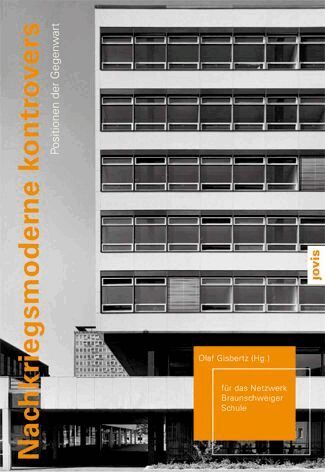
Die Architektur der „Nachkriegsmoderne“ (1945+) wird unter Fachleuten seit Jahren kontrovers diskutiert. In Zeiten, in denen sich Konzepte zur „Rekonstruktion der europäischen Stadt“ etabliert haben, stehen selbst herausragende Bauten der Nachkriegsmoderne zur Disposition. Hinzu kommt, dass mentale Vorbehalte, aber auch unterlassener Gebäudeerhalt vielerorts den Blick auf die architektonischen und städtebaulichen Qualitäten dieser „verdrängten“ Epoche des Wiederaufbaus versperren. Das Buch Nachkriegsmoderne kontrovers diskutiert exemplarisch Qualität und Denkmalwert dieser Architektur. Die Autoren – allesamt Experten aus den Bereichen der Theorie und Praxis der Architektur, -Bauingenieurwissenschaften und Denkmalpflege – eröffnen dabei Einblicke in den gegenwärtigen Architekturdiskurs im Spannungsfeld zwischen Bestandsschutz und kreativem Weiterbauen, erörtern aber auch integrale Sanierungs- und Identifikationspotenziale der Nachkriegsmoderne in Deutschland.
408 kr
Skickas inom 3-6 vardagar
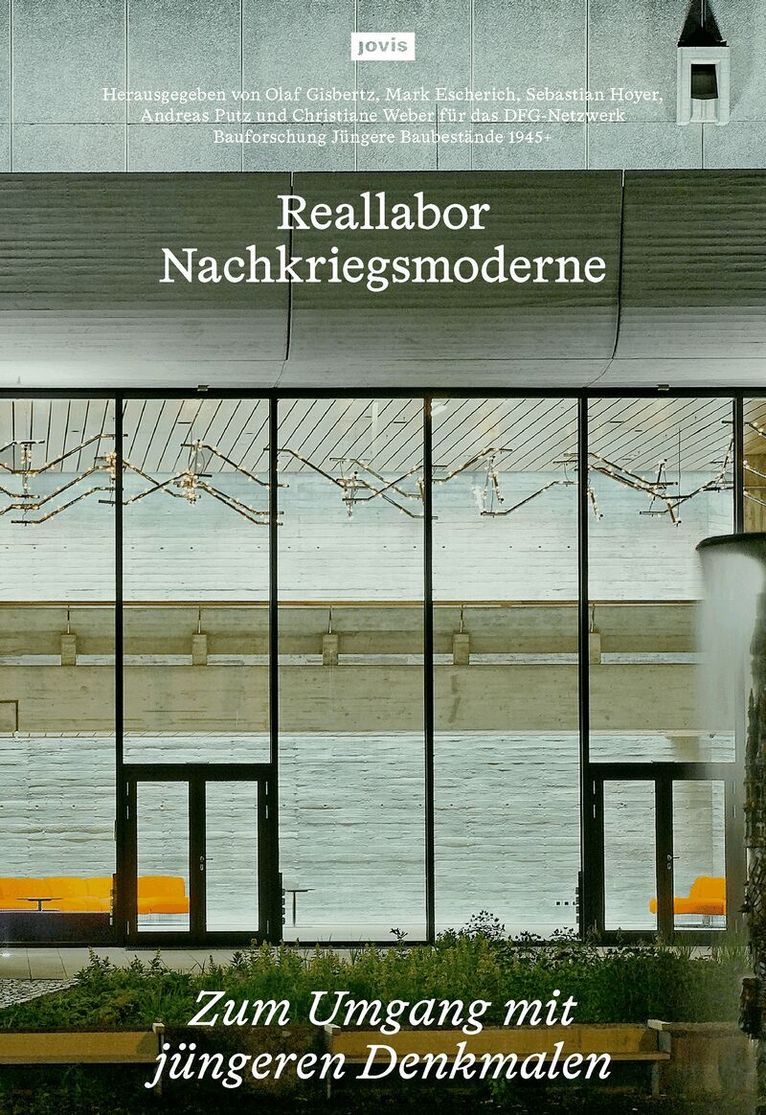
The built heritage of postwar modernism has been under threat from climate change and the high expectations of society for years. The tremendous volume of building stock was erected with high hopes for the future within just a short period of time—and frequently using construction techniques that were as yet unproven. Despite the many research efforts focusing on spatial concepts and societal utopias between the 1950s and 1970s, the practice-oriented field of construction research lacks binding recording and evaluation strategies for buildings, materials, and construction methods for the majority of buildings of all types. This affects projects from solitary churches, residential settlements, and green spaces right through to large cultural, sporting, and education constructions, as well as the engineering structures of the urban and peripheral infrastructure.In order to preserve this existing stock as a resource for the future, new recording and evaluation tools that take into account technical, construction, ecological, and economic factors are necessary. This book presents possibilities for the management of our recent constructed heritage on the basis of ongoing projects by the DFG-Netzwerk Bauforschung Jungere Baubestande 1945+ buildings preservation network.