Olav Fykse Tveit – författare
Visar alla böcker från författaren Olav Fykse Tveit. Handla med fri frakt och snabb leverans.
2 produkter
2 produkter
Häftad, Engelska, 2016
605 kr
Skickas inom 5-8 vardagar
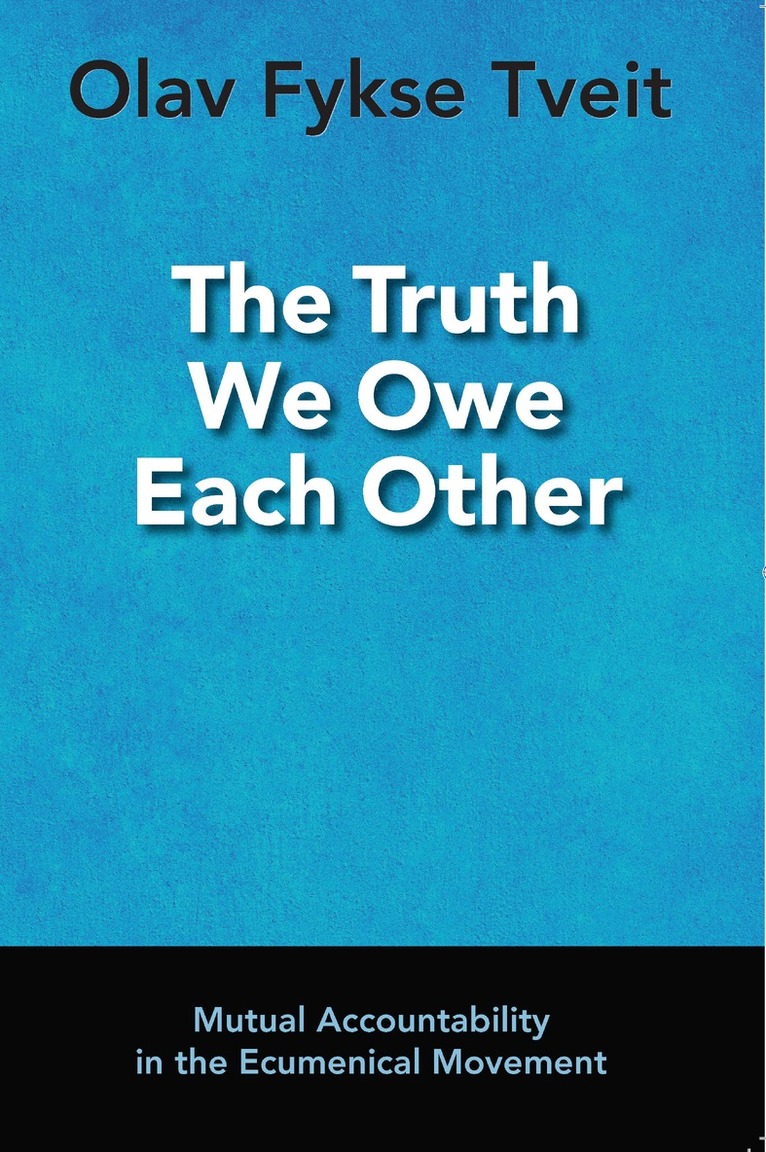
At the heart of the ecumenical fellowship stands a moral imperative, a kind of pledge by the churches to hold themselves and one another accountable in their faithfulness. Olav Fykse Tveit argues that this commitment binds each of the churches in fidelity to the larger communion, to the great Tradition, to scripture and the apostolic faith, as well as to the people they serve in the contemporary world.An underappreciated dimension of the perennial quest for unity, mutual accountability functions as a key criterion for the quality of relations within the Christian fellowship. It defines the attitude of active responsibility and openness that churches bring to their fellowship and to their ecclesial self-understanding and renewal. It is a benchmark of their authenticity as churches in the ecumenical age.Tveit’s rich study of the evolving concept of mutual accountability, especially as it figures in the work of Faith and Order over a fifty-year period, traces the growing conviction that ecumenism entails churches’ not simply being together and working together but also holding each other accountable for their genuineness as members of the body of Christ. “Attitudes of openness, constructive critical and self-critical approaches, repentance, reliability, commitment to the common calling and tasks, faithfulness, sharing, and indeed hope—these are all genuine and necessary attitudes in a fellowship that follows the crucified and risen Christ. The truth we owe one another lies in both our insights and our true life in community. . . .” The Truth We Owe Each Other offers a theological underpinning to the work of church renewal and to the continued relevance for the churches’ work in the world.
Häftad, Engelska, 2022
346 kr
Tillfälligt slut
In this volume, Olav Fykse Tveit sketches an ecumenical movement that reveals a horizon of hope and illumines many of our most pressing global challenges. Rather than focusing inward, Tveit envisions an ecumenism that leverages the Christ-inspired unity of the global fellowship into transformative engagement with the world. He shows how the recent journey of the Christian fellowship reframes its diversity and differences through solidarity in witness and service. Then, ranging across issues of economic and ecological justice, interreligious encounter and gender justice, just peace, racism, and xenophobia, he demonstrates the potential of Christians and Christian churches to engender authentic discipleship, reform and renew the churches, and pursue justice and peace for the whole human family.