
Ove Østerlie – författare
Visar alla böcker från författaren Ove Østerlie. Handla med fri frakt och snabb leverans.
4 produkter
4 produkter
Inbunden, Engelska, 2022
756 kr
Skickas inom 10-15 vardagar
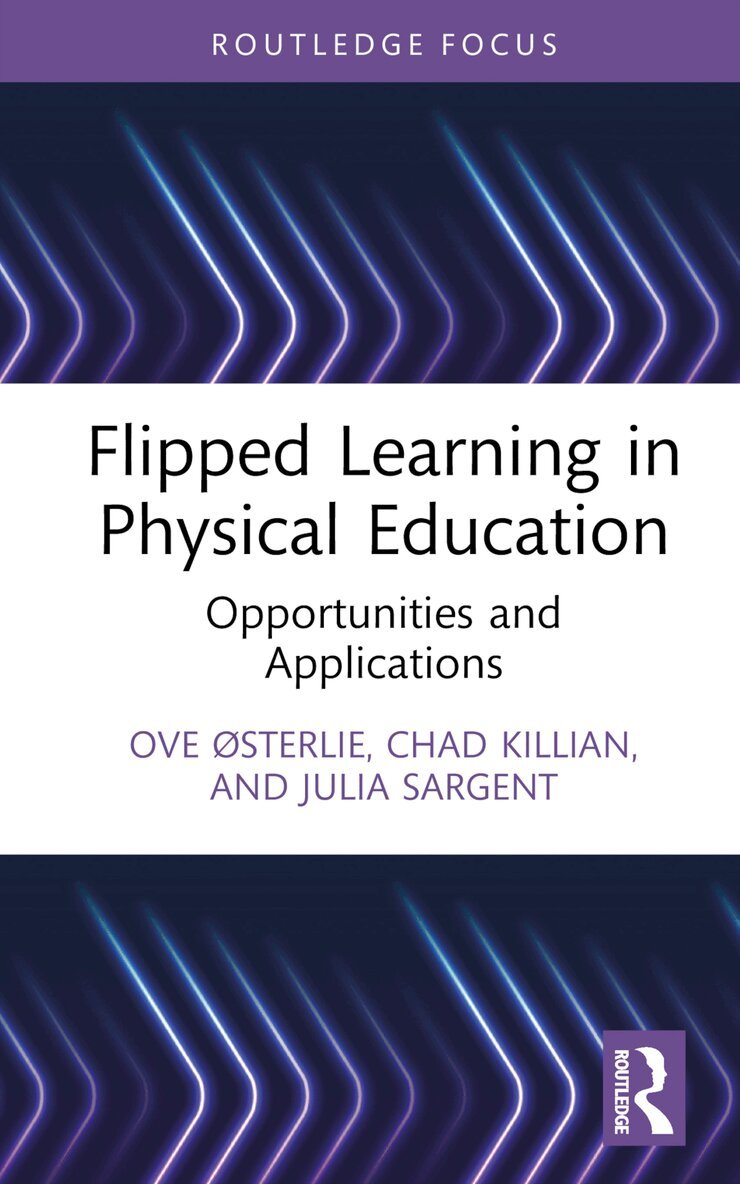
This is the first book to introduce flipped learning in the context of physical education. It is a timely exploration of pedagogical approaches that draw on digital technologies that can allow learning online and at a distance to support important learning time for physical activity.The book discusses the role of online and digital technology in education, and physical education more specifically, and examines the key features that define flipped learning, its boundaries, and its format. Drawing on modern learning theories, the book explains why educators and practitioners may choose to use flipped learning and how the approach can improve physical activity opportunities. It also considers the challenges and the guiding principles involved in implementing flipped learning in different countries, cultures, and contexts.Full of practical guidance, and drawing on cutting-edge research, this book is invaluable reading for all students, researchers, pre-service and in-service teachers, and coaches working in physical education or youth sport.
Häftad, Engelska, 2024
320 kr
Skickas inom 10-15 vardagar
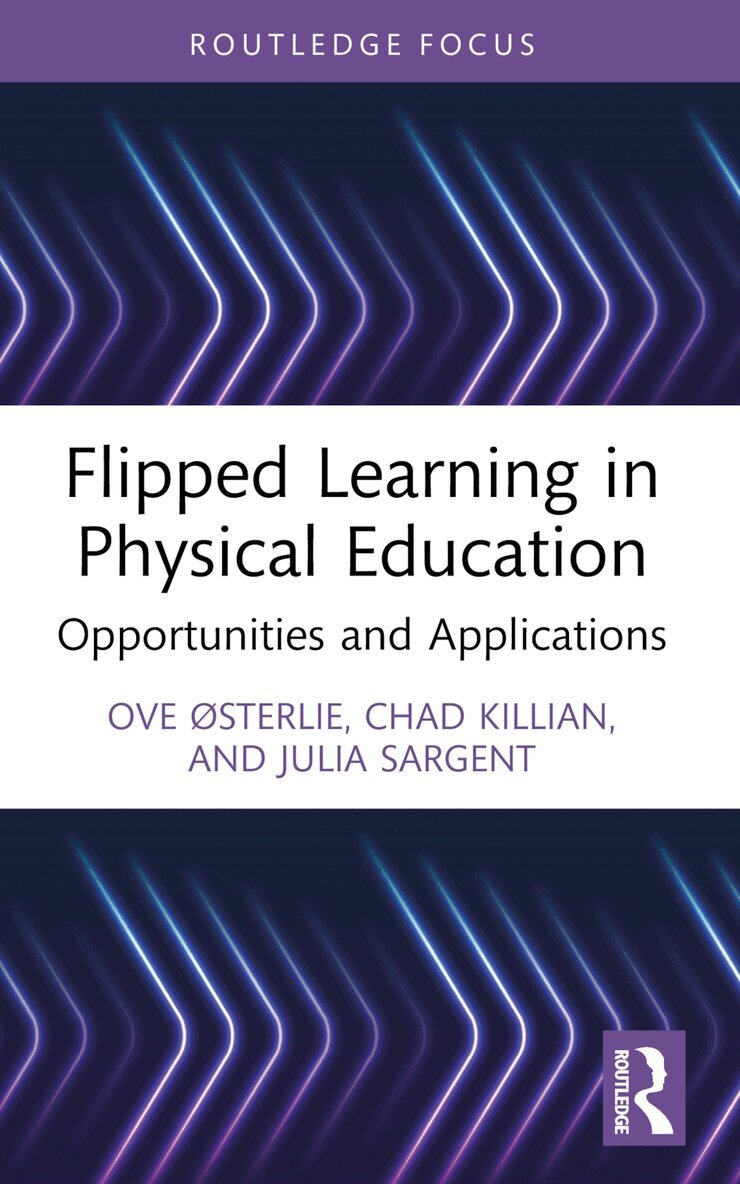
This is the first book to introduce flipped learning in the context of physical education. It is a timely exploration of pedagogical approaches that draw on digital technologies that can allow learning online and at a distance to support important learning time for physical activity.The book discusses the role of online and digital technology in education, and physical education more specifically, and examines the key features that define flipped learning, its boundaries, and its format. Drawing on modern learning theories, the book explains why educators and practitioners may choose to use flipped learning and how the approach can improve physical activity opportunities. It also considers the challenges and the guiding principles involved in implementing flipped learning in different countries, cultures, and contexts.Full of practical guidance, and drawing on cutting-edge research, this book is invaluable reading for all students, researchers, pre-service and in-service teachers, and coaches working in physical education or youth sport.
Häftad, Engelska, 2026
591 kr
Kommande
This is the first accessible, critically grounded book to examine how artificial intelligence (AI) is reshaping the foundations of physical education (PE). Opening with a concise introduction to the fundamentals of AI, and assuming no prior knowledge on the part of the reader, the book goes on to examine how AI disrupts embodied and relational learning in PE, identifies the ethical and professional dilemmas emerging from these disruptions, and proposes future-oriented directions that are human-centred, ethical and sustainable. As well as highlighting the challenges posed by this profoundly disruptive new technology, the book also argues that AI enables contributions from regions historically underrepresented in PE research, thereby diversifying our understanding of what ‘good PE’ is. Every chapter also includes a ‘Practice Reflection’ feature that encourages the reader to consider how the concepts explored in that chapter might have a bearing on their own work and professional practice, as well as a guide to further reading. As AI has an increasingly significant impact on policy, process and practice in education and our wider social worlds, this book is essential reading for any advanced student, researcher, trainee teacher, in-service teacher, coach, school leader or policy-maker looking to better understand this powerful new technology in the context of physical education.
Inbunden, Engelska, 2026
2 163 kr
Kommande
This is the first accessible, critically grounded book to examine how artificial intelligence (AI) is reshaping the foundations of physical education (PE). Opening with a concise introduction to the fundamentals of AI, and assuming no prior knowledge on the part of the reader, the book goes on to examine how AI disrupts embodied and relational learning in PE, identifies the ethical and professional dilemmas emerging from these disruptions, and proposes future-oriented directions that are human-centred, ethical and sustainable. As well as highlighting the challenges posed by this profoundly disruptive new technology, the book also argues that AI enables contributions from regions historically underrepresented in PE research, thereby diversifying our understanding of what ‘good PE’ is. Every chapter also includes a ‘Practice Reflection’ feature that encourages the reader to consider how the concepts explored in that chapter might have a bearing on their own work and professional practice, as well as a guide to further reading. As AI has an increasingly significant impact on policy, process and practice in education and our wider social worlds, this book is essential reading for any advanced student, researcher, trainee teacher, in-service teacher, coach, school leader or policy-maker looking to better understand this powerful new technology in the context of physical education.