Owen Stanwood – författare
Visar alla böcker från författaren Owen Stanwood. Handla med fri frakt och snabb leverans.
2 produkter
2 produkter
407 kr
Skickas inom 5-8 vardagar
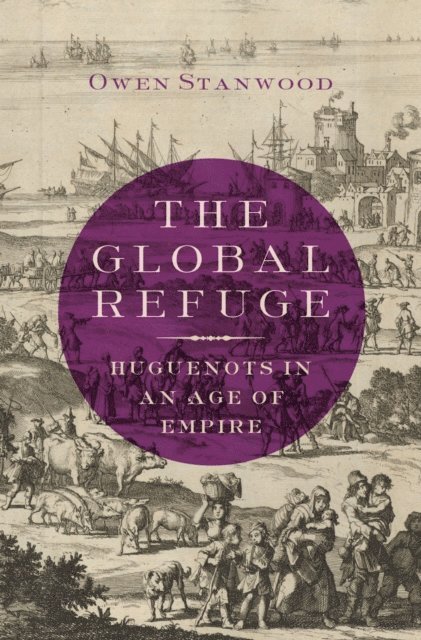
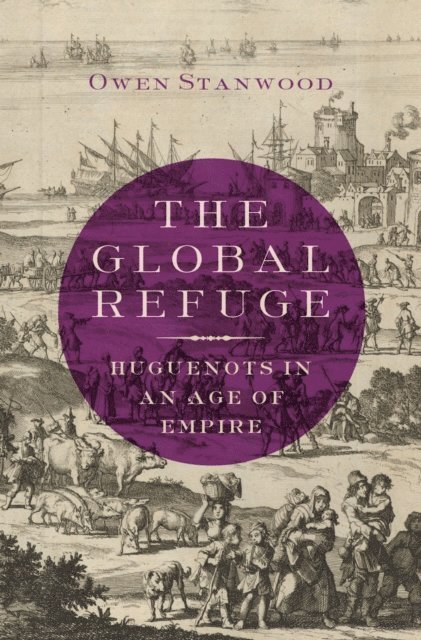
Huguenot refugees were everywhere in the early modern world. French Protestant exiles fleeing persecution following the Revocation of the Edict of Nantes in 1685, they scattered around Europe, North America, the Caribbean, South Africa, and even remote islands in the Atlantic and Indian Oceans. The Global Refuge provides the first truly international history of the Huguenot diaspora. The story begins with dreams of Eden, as beleaguered religious migrants sought suitable retreats to build perfect societies far from the political storms of Europe. In order to build these communities, however, the Huguenots needed patrons, forcing them to navigate the world of empires. The refugees promoted themselves as the chosen people of empire, religious heroes who also possessed key skills that could strengthen the British and Dutch states. As a result, French Protestants settled around the world: they tried to make silk in South Carolina; they planted vineyards in South Africa; and they peopled vulnerable frontiers from New England to Suriname. This embrace of empire led to a gradual abandonment of the Huguenots' earlier utopian ambitions and ability to maintain their languages and churches in preparation for an eventual return to France. For over a century they learned that only by blending in and by mastering foreign institutions could they prosper. While the Huguenots never managed to find a utopia or to realize their imperial sponsors' visions of profits, The Global Refuge demonstrates how this diasporic community helped shape the first age of globalization and influenced the reception of future refugee populations.
325 kr
Skickas inom 10-15 vardagar
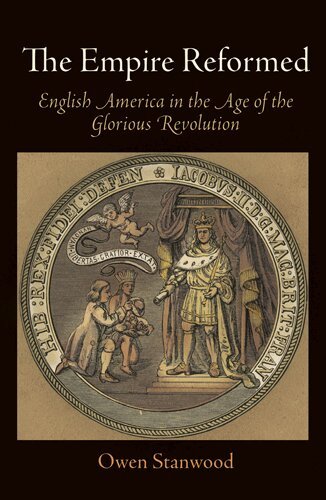
The Empire Reformed tells the story of a forgotten revolution in English America-a revolution that created not a new nation but a new kind of transatlantic empire. During the seventeenth century, England's American colonies were remote, disorganized outposts with reputations for political turmoil. Colonial subjects rebelled against authority with stunning regularity, culminating in uprisings that toppled colonial governments in the wake of England's "Glorious Revolution" in 1688-89. Nonetheless, after this crisis authorities in both England and the colonies successfully rebuilt the empire, providing the cornerstone of the great global power that would conquer much of the continent over the following century.In The Empire Reformed historian Owen Stanwood illustrates this transition in a narrative that moves from Boston to London to Barbados and Bermuda. He demonstrates not only how the colonies fit into the empire but how imperial politics reflected-and influenced-changing power dynamics in England and Europe during the late 1600s. In particular, Stanwood reveals how the language of Catholic conspiracies informed most colonists' understanding of politics, serving first as the catalyst of rebellions against authority, but later as an ideological glue that held the disparate empire together. In the wake of the Glorious Revolution imperial leaders and colonial subjects began to define the British empire as a potent Protestant union that would save America from the designs of French "papists" and their "savage" Indian allies. By the eighteenth century, British Americans had become proud imperialists, committed to the project of expanding British power in the Americas.