P. Fletcher - Böcker
Visar alla böcker från författaren P. Fletcher. Handla med fri frakt och snabb leverans.
3 produkter
3 produkter
1 906 kr
Skickas inom 10-15 vardagar
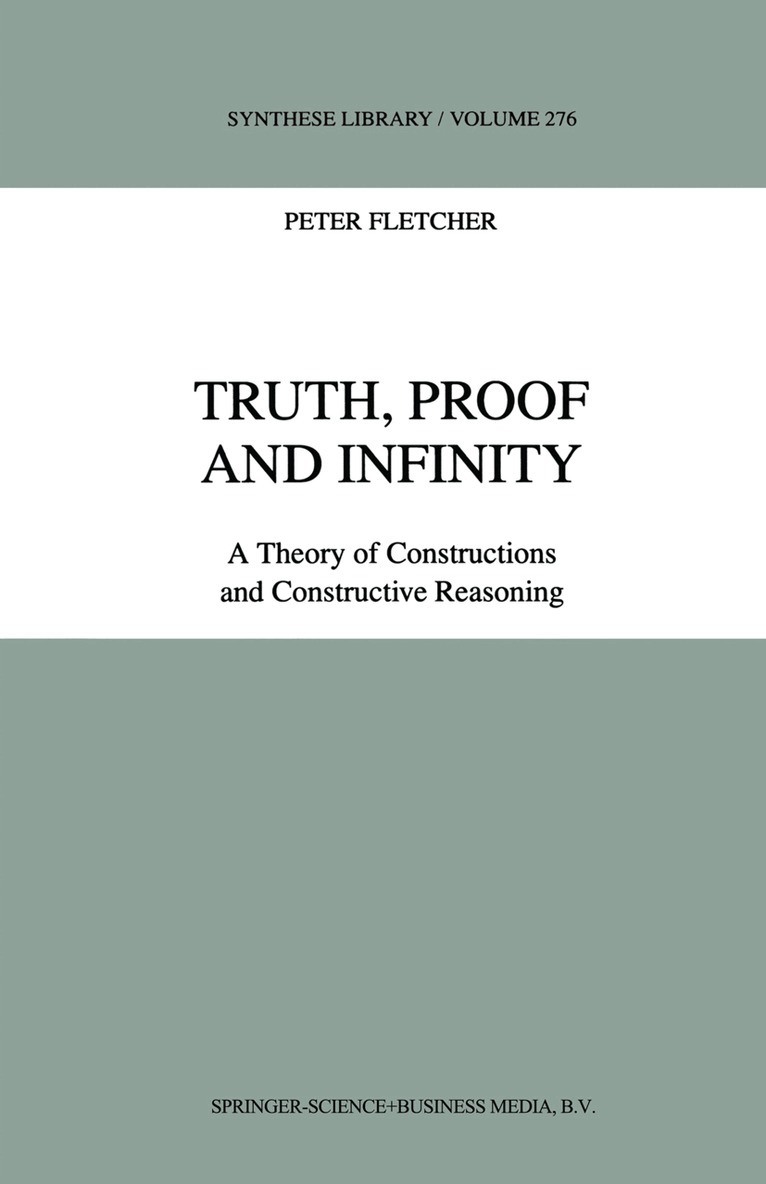
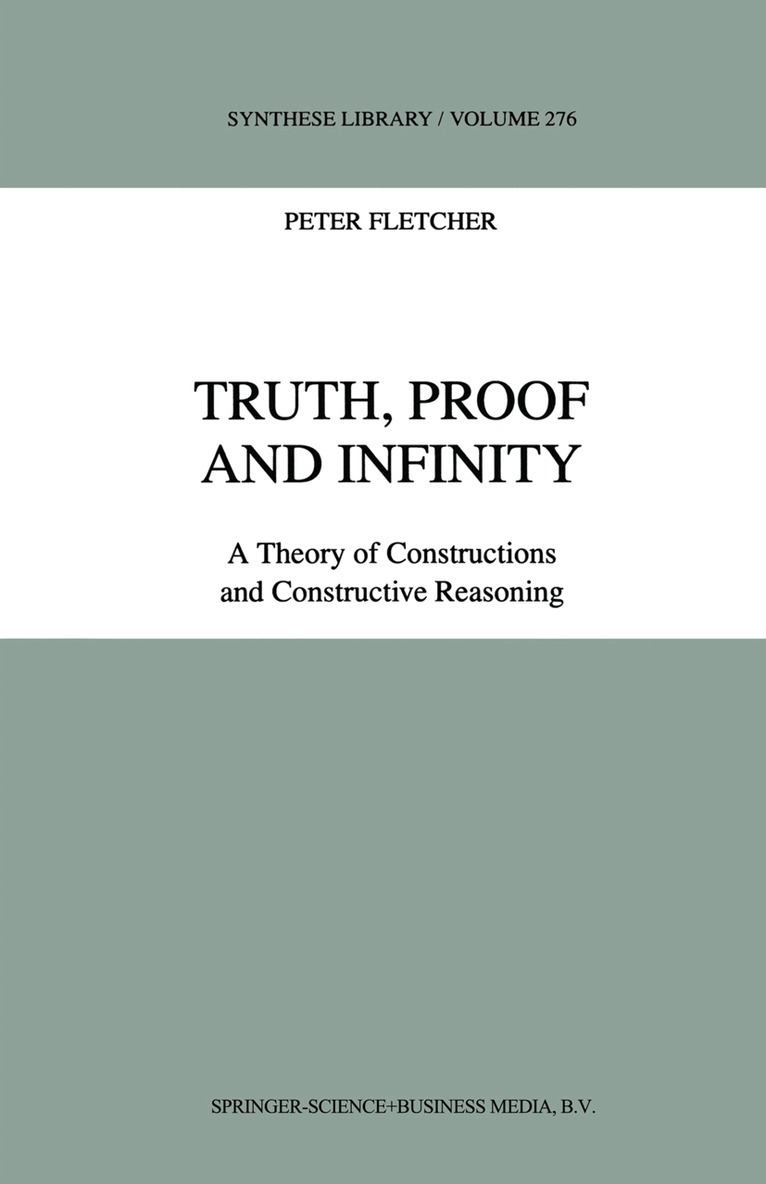
Constructive mathematics is based on the thesis that the meaning of a mathematical formula is given, not by its truth-conditions, but in terms of what constructions count as a proof of it. However, the meaning of the terms "construction" and "proof" has not been adequately explained (although Kriesel, Goodman and Martin have attempted axiomatizations). This monograph develops precise (though not wholly formal) definitions of construction and proof, and describes the algorithmic substructure underlying intuitionistic logic. Interpretations of Heyting Arithmetic and constructive analysis are given. The philosophical basis of constructivism is explored thoroughly in Part I. The author seeks to answer objections from Platonists and to reconcile his position with the central insights of Hilbert`s formalism and logic. The text should be of interest to philosophers of mathematics and logicians, both academic and graduate student, particularly those interested in Brouwer and Hilbert. Also, theoretical computer scientists interested in the foundations of functional programming languages and program correctness calculi.
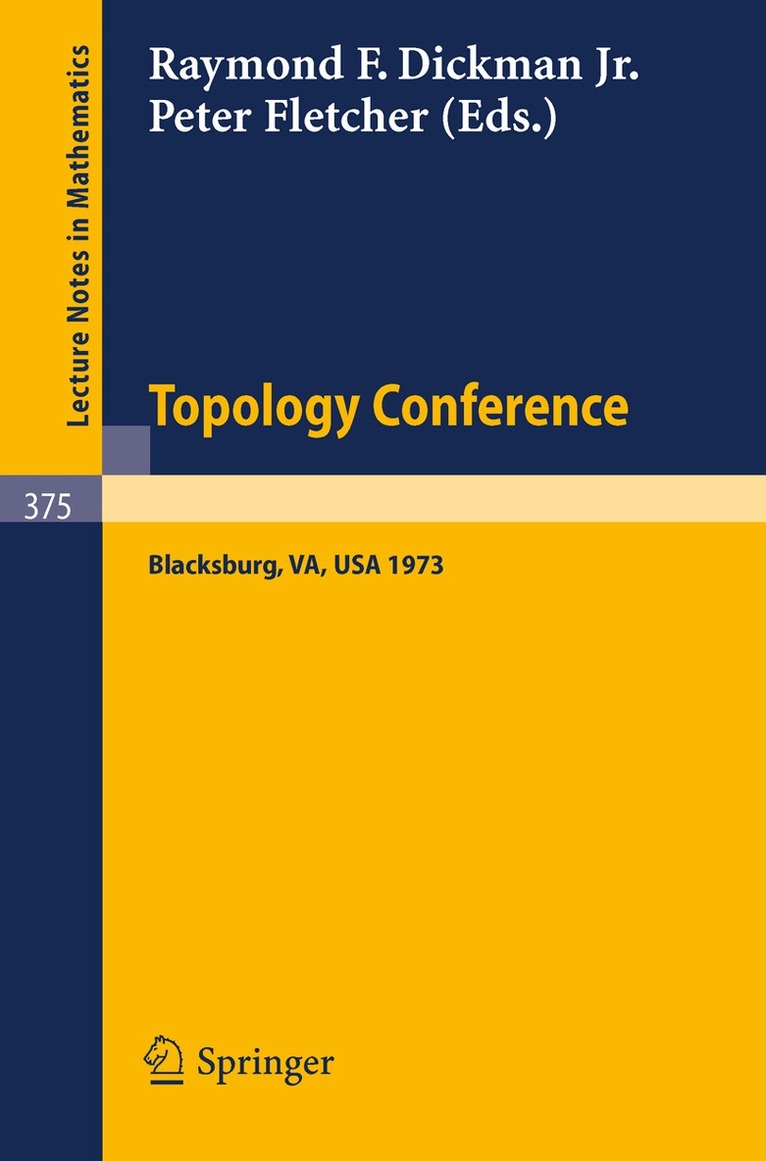
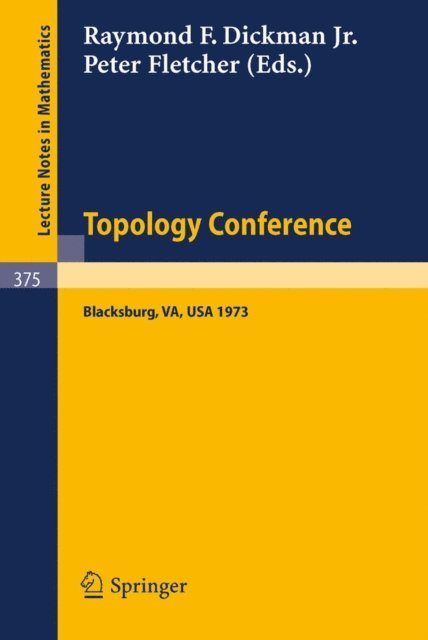
Del 375 - Lecture Notes in Mathematics
Topology Conference
Virginia Polytechnic Institute and State University, March 22 - 24, 1973
Häftad, Engelska, 1974
374 kr
Skickas inom 7-10 vardagar
1 906 kr
Skickas inom 10-15 vardagar
Constructive mathematics is based on the thesis that the meaning of a mathematical formula is given, not by its truth-conditions, but in terms of what constructions count as a proof of it. However, the meaning of the terms 'construction' and 'proof' has never been adequately explained (although Kriesel, Goodman and Martin-Lof have attempted axiomatisations). This monograph develops precise (though not wholly formal) definitions of construction and proof, and describes the algorithmic substructure underlying intuitionistic logic. Interpretations of Heyting arithmetic and constructive analysis are given. The philosophical basis of constructivism is explored thoroughly in Part I. The author seeks to answer objections from platonists and to reconcile his position with the central insights of Hilbert's formalism and logic. Audience: Philosophers of mathematics and logicians, both academic and graduate students, particularly those interested in Brouwer and Hilbert; theoretical computer scientists interested in the foundations of functional programming languages and program correctness calculi.