
Pablo Antonio Cuadra – författare
Visar alla böcker från författaren Pablo Antonio Cuadra. Handla med fri frakt och snabb leverans.
2 produkter
2 produkter
374 kr
Skickas inom 3-6 vardagar
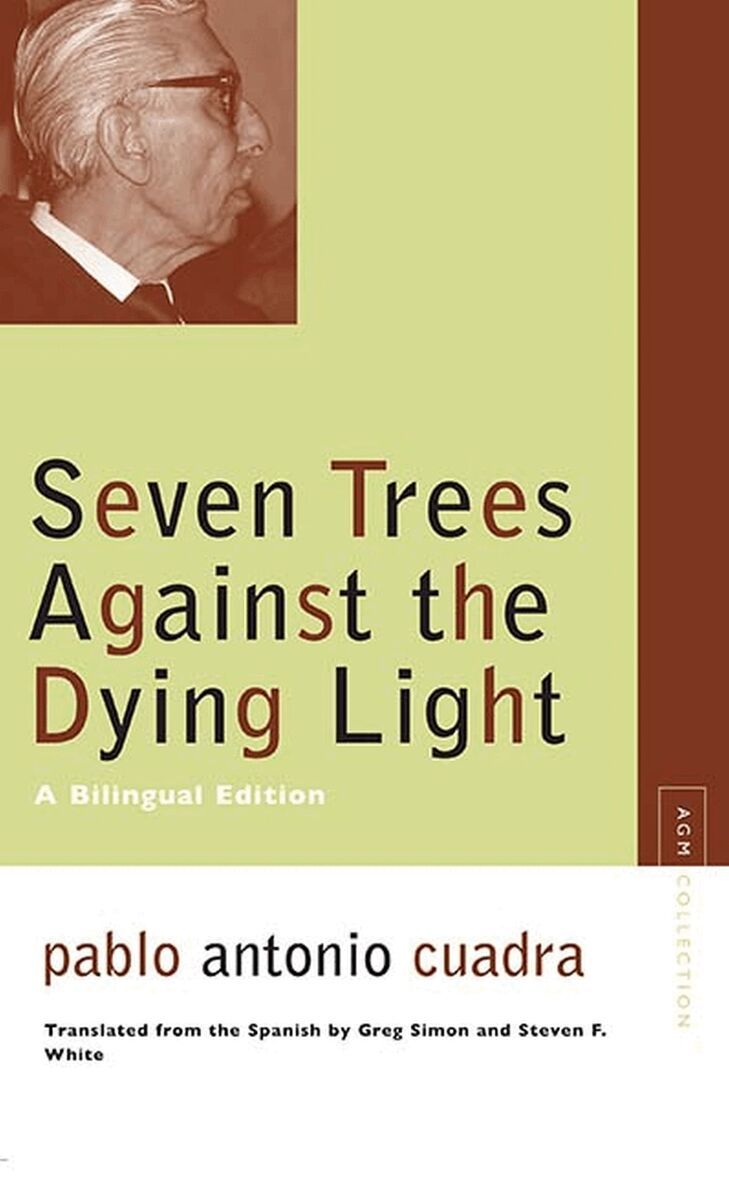
Standing against the visible landscape - the mountainous volcanoes, the jungles and savannahs - the seven trees conjured in these narrative poems by one of Latin America's masters also evoke another, more mysterious terrain. It is this other landscape, as invisible as poetry before it is written down but etched by history and animated by the collective memory of a people, that speaks through Pablo Antonio Cuadra's ""Seven Trees"". Storing experience as they exist, these tree-poems conserve local soil and memory in the place they inhabit. They are figures of life, stained by seawater and gun powder, by the bright red, bittersweet juice of the many life-giving plums that flourish in Nicaragua, and blood that has been spilled there. And they offer a way of remembering who we are, where we come from, and, above all, where we are bound if we cannot learn to root language in the earth that sustains us. Printed here in Spanish with facing English translations, the edition includes an introduction with an ecocritical focus, as well as complete notes on botanical, historical, mythological, and socio-political references.
247 kr
Skickas inom 5-8 vardagar
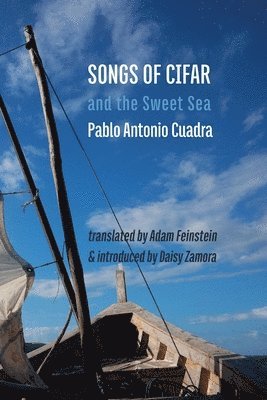
Songs of Cifar and the Sweet Sea is one of Cuadra's most significant works. On one level it looks back knowingly at Homer's Odyssey, but it also rejects the classical epic in favour of "something humble or marginal, a primitive or naive epic with the characteristics of Cifar the sailor, a restless seafarer and impenitent lover with an adventurous and bohemian soul, who played the harp and the guitar admirably - but even with all his exuberant capacity for adventure, Cifar was no more than a poor, frustrated Odysseus, who drowned, like a humble Li Po, on his way back from a party." Lake Cocibolca, where Cifar's adventures take place, is the repository of legends, fables, and mythical ctions. Lake Cocibolca shapes the destiny of Nicaraguans, because it is the inner sea, placed in Nicaragua's breast, placed within its body as in a case of possession. Cuadra compares Cocibolca to a gigantic mirror, a crystal of Nicaragua's history in which dreams and frustrations are reflected. (Excerpted from Daisy Zamora's Introduction).