Pablo Lapegna – författare
Visar alla böcker från författaren Pablo Lapegna. Handla med fri frakt och snabb leverans.
5 produkter
5 produkter
Inbunden, Engelska, 2016
1 646 kr
Skickas inom 5-8 vardagar
In 1996, the Argentine government authorized the use of genetically modified (GM), herbicide-resistance soybean seeds. By the mid-2000s, GM soybeans were cultivated on more than half of the arable land in Argentina and represented one-fourth of the country's exports. While this agricultural boom has benefitted agribusiness companies and fed tax revenues, it also has a dark side: it has accelerated the deforestation of native forests, prompted the eviction of indigenous and peasant families, and spurred episodes of contamination.In Soybeans and Power, Pablo Lapegna investigates the ways in which rural populations have coped with GM soybean expansion in Argentina. Based on over a decade of ethnographic research, Lapegna reveals that many communities initially resisted, yet ultimately adapted to the new agricultural technologies forced upon them by public officials. However, rather than painting the decline of the protests in an exclusively negative light, Lapegna argues that the farmers played an active role in their own demobilization, switching to tactics of negotiation and accommodation in order to maneuver the situation to their advantage. Lapegna offers a rare, on the ground glimpse into the life cycle of a social movement, from mobilization and protest to demobilization and resigned acceptance. Through the case study of Argentina, a major player in the use and export of GM crops, Soybeans and Power gives voice to the communities most adversely affected by GM technology, as well as the strategies that they have enacted in order to survive.
Häftad, Engelska, 2016
422 kr
Skickas inom 5-8 vardagar
In 1996, the Argentine government authorized the use of genetically modified (GM), herbicide-resistance soybean seeds. By the mid-2000s, GM soybeans were cultivated on more than half of the arable land in Argentina and represented one-fourth of the country's exports. While this agricultural boom has benefitted agribusiness companies and fed tax revenues, it also has a dark side: it has accelerated the deforestation of native forests, prompted the eviction of indigenous and peasant families, and spurred episodes of contamination.In Soybeans and Power, Pablo Lapegna investigates the ways in which rural populations have coped with GM soybean expansion in Argentina. Based on over a decade of ethnographic research, Lapegna reveals that many communities initially resisted, yet ultimately adapted to the new agricultural technologies forced upon them by public officials. However, rather than painting the decline of the protests in an exclusively negative light, Lapegna argues that the farmers played an active role in their own demobilization, switching to tactics of negotiation and accommodation in order to maneuver the situation to their advantage. Lapegna offers a rare, on the ground glimpse into the life cycle of a social movement, from mobilization and protest to demobilization and resigned acceptance. Through the case study of Argentina, a major player in the use and export of GM crops, Soybeans and Power gives voice to the communities most adversely affected by GM technology, as well as the strategies that they have enacted in order to survive.
E-bok
PDF, Engelska, 2016447 kr
Läs direkt efter köp
Although Argentina''s use of genetically modified (GM) soybean seeds has spurred a major agricultural boom, it has also had a negative impact on many communities. In Soybeans and Power, Pablo Lapegna explores the ways in which these communities have coped with GM soybean expansion. Peasants initially resisted, yet ultimately adapted to the new agricultural technologies, playing an active role in their own demobilization in order to maneuver the situation to their advantage. A rare glimpse into the life cycle of a social movement, Soybeans and Power gives voice to the communities most adversely affected by GM technology and the strategies that they have enacted in order to survive.
E-bok
Engelska, 2016447 kr
Läs direkt efter köp
Although Argentina''s use of genetically modified (GM) soybean seeds has spurred a major agricultural boom, it has also had a negative impact on many communities. In Soybeans and Power, Pablo Lapegna explores the ways in which these communities have coped with GM soybean expansion. Peasants initially resisted, yet ultimately adapted to the new agricultural technologies, playing an active role in their own demobilization in order to maneuver the situation to their advantage. A rare glimpse into the life cycle of a social movement, Soybeans and Power gives voice to the communities most adversely affected by GM technology and the strategies that they have enacted in order to survive.
E-bok
Spanska, 201991 kr
Läs direkt efter köp
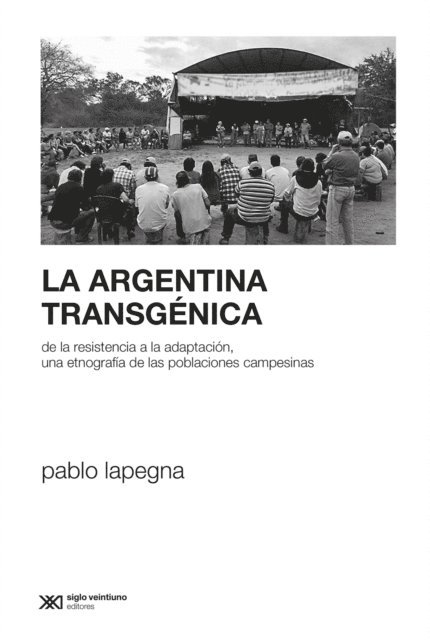
La Argentina transgénica no es ninguna novedad: el cultivo de soja genéticamente modificada para resistir los herbicidas se expande cada vez más, al tiempo que las empresas de agronegocios se concentran en unos pocos jugadores transnacionales. Frente al fenómeno, están los que celebran este modelo tecnoproductivista, afirmando que permitirá "solucionar el hambre en el mundo", y quienes advierten sobre el daño ambiental y llaman a resistir activamente el modelo. ¿Hay modo de abordar esto por fuera de un enfoque de buenos y malos, de víctimas sumisas por un lado y élites perversas por el otro? ¿Hay modo de pensar más allá de un optimismo sin verdadero fundamento, pero también de los críticos que idealizan un mundo rural perdido como si fuera posible recuperarlo?Pablo Lapegna se apoya en un riquísimo trabajo etnográfico con poblaciones rurales del norte argentino para iluminar las zonas grises del modelo socioeconómico que se instaló en los noventa. Poniendo el foco en las comunidades expuestas a los efectos de las fumigaciones y en las organizaciones que las representan, se pregunta por qué pasan de períodos de confrontación abierta y protesta encarnizada, como en 2003, a la aparente resignación de 2009 en adelante. Así, atento a los vínculos entre movimientos sociales y autoridades locales, provinciales y nacionales, revela que la desmovilización no debería entenderse como pura pasividad frente a los poderosos, ya que involucra complejos procesos de negociación política en los que se juegan el reconocimiento y los recursos. Lapegna logra mirar desde un ángulo novedoso los mecanismos clientelares, las contradicciones que atraviesan a los movimientos sociales y los resortes que explican cuándo y cómo las comunidades rurales deciden abandonar la acción directa para buscar formas de adaptación en un contexto desfavorable.