Pablo Palacio – författare
Visar alla böcker från författaren Pablo Palacio. Handla med fri frakt och snabb leverans.
7 produkter
Kurzgeschichten. Cuentos
Zweisprachige Ausgabe Von Klaus Semsch. Edicion Bilingue Das Gesamtwerk- Obras Completas 1
Inbunden, 2011
720 kr
Lägg i varukorg
Der Ecuadorianer Pablo Palacio (1906-1947) ist ein großer Autor der lateinamerikanischen Moderne. Sein Prosawerk führt den Leser in das Ecuador der 20er und 30er Jahre, an jenen Unort zwischen Norm und Tabu, an dem das Süße bitter, und das Bittere süßlich schmecken. Denn seine Protagonisten sind …
7 mejores cuentos de Pablo Palacio
E-bok, 2021
34 kr
Lägg i varukorg
La serie de libros "7 mejores cuentos" presenta los grandes nombres de la literatura en lengua española.Pablo Palacio fue escritor y abogado ecuatoriano. Fue uno de los fundadores de la vanguardia en el Ecuador e Hispanoamérica, un adelantado en lo que respecta a estructuras y contenidos …
Un hombre muerto a puntapiés
E-bok, 2025
49 kr
Lägg i varukorg
El cuento Un hombre muerto a puntapiés, es la obra emblemática de Pablo Palacio.El narrador de la historia se entera por medio de la prensa local del asesinato de un hombre llamado Octavio Ramírez al que se catalogaba como "vicioso". El narrador comienza a inferir las razones detrás del crimen y …
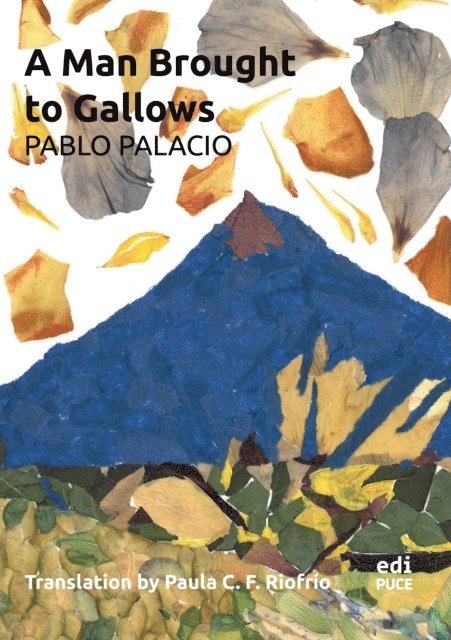
Man Brought to Gallows
E-bok, 2024
28 kr
Lägg i varukorg
This story goes from here to its start, at the first morning of May; follows through these same pages, and when it arrives here again, again it starts there... Such was his enlightened hallucination.The problem of art is a problem of translations. Decomposition and sorting of forms, sounds and …