Päivi Johanna Neuvonen - Böcker
Visar alla böcker från författaren Päivi Johanna Neuvonen. Handla med fri frakt och snabb leverans.
3 produkter
3 produkter
437 kr
Skickas inom 10-15 vardagar
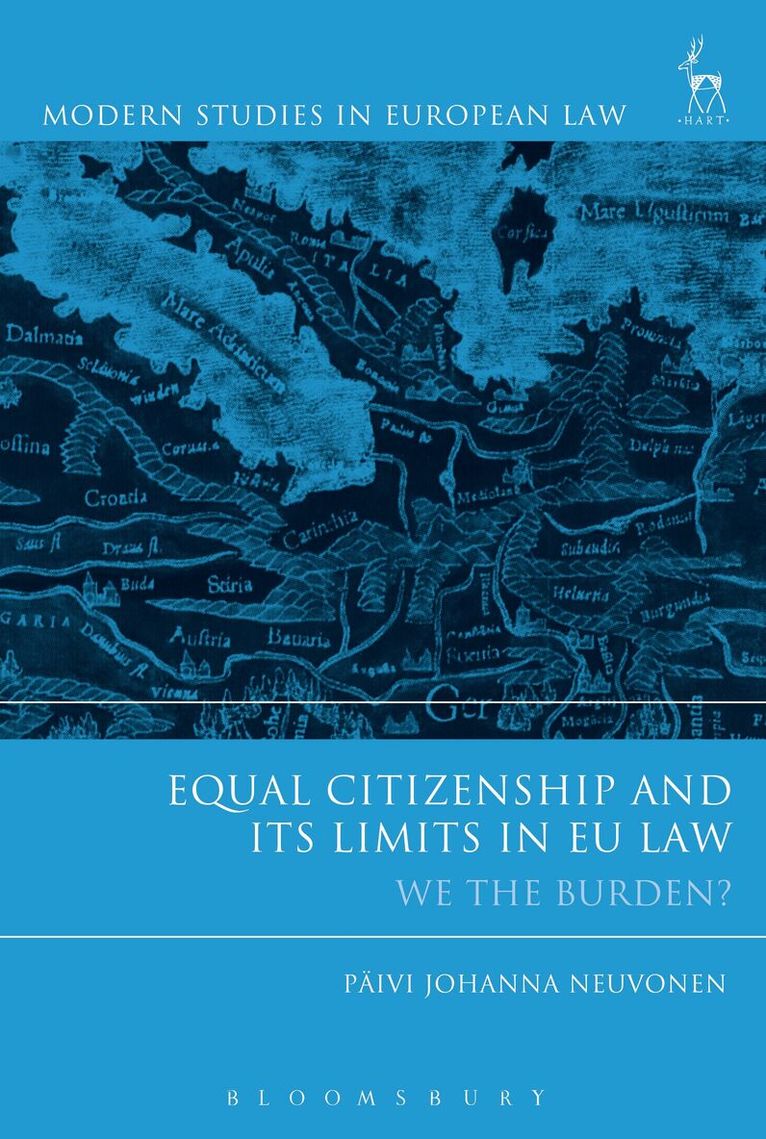
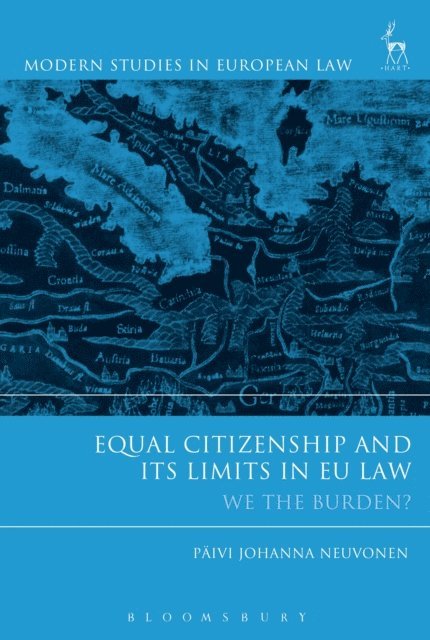
The research monograph Equal Citizenship and Its Limits in EU Law: We the Burden? is a critical study of the scope of EU citizenship as an ‘equal status’ of all Member State nationals. The book re-conceptualises the relationship between the status of EU citizenship and EU citizens’ fundamental right to equal treatment by asking what indicates the presence of agency in EU law. A thorough analysis of the case-law is used to support the argument that the present view of active citizenship in EU law fails to explain how EU citizens should be treated in relation to one another and what counts as ‘related’ for the purposes of equal treatment in a transnational context. In addressing these questions, the book responds to the increasing need to find a more substantive theory of justice for the European Union. The book suggests that a more balanced view of agency in the case of EU citizens can be based on the inherent connection between citizens’ agency and their subjectivity. This analysis provides an integrated philosophical account of transnational equality by showing that a new source of ‘meaningful relationships’ for the purposes of equal treatment arises from recognizing and treating EU citizens as full subjects of EU law and European integration. The book makes a significant contribution to the existing scholarship on EU law, first, by demonstrating that the undefined nature of EU citizenship is fundamentally a question about transnational justice and not just about individual rights and, secondly, by introducing a framework within which the current normative indeterminacy of EU citizenship can be overcome.
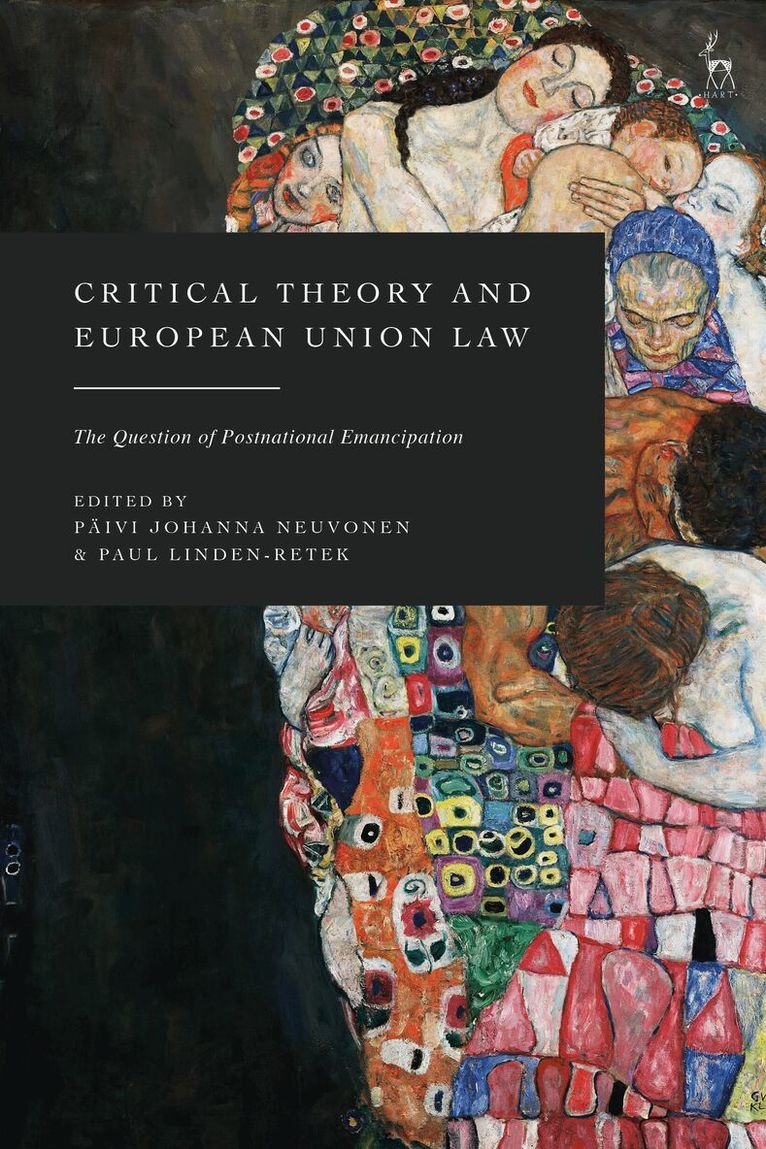
Critical Theory and European Union Law
The Question of Postnational Emancipation
Inbunden, Engelska, 2026
1 369 kr
Kommande
This collection examines what ‘critical theory’ as a distinct intellectual tradition in social, political, and legal thought contributes to the study of EU law and to the future of the European project.Covering a broad range of substantive fields of EU law and the history of legal integration, including constitutional law, the design of monetary union and economic law, fiscal integration and taxation, labour law, fundamental rights and anti-discrimination law, gender equality, migration law and policy, data protection, and the Common Foreign and Security Policy (CFSP), the volume illustrates how a more rigorous engagement with critical theory helps to navigate the post-crisis European legal landscape. The contributors bring fresh, thoughtful, and innovative perspectives to EU law and theory, diagnosing the deep-seated challenges facing contemporary EU law and reimagining the emancipatory possibilities still available for it.
1 113 kr
Skickas inom 10-15 vardagar
The research monograph Equal Citizenship and Its Limits in EU Law: We the Burden? is a critical study of the scope of EU citizenship as an ‘equal status’ of all Member State nationals. The book re-conceptualises the relationship between the status of EU citizenship and EU citizens’ fundamental right to equal treatment by asking what indicates the presence of agency in EU law. A thorough analysis of the case-law is used to support the argument that the present view of active citizenship in EU law fails to explain how EU citizens should be treated in relation to one another and what counts as ‘related’ for the purposes of equal treatment in a transnational context. In addressing these questions, the book responds to the increasing need to find a more substantive theory of justice for the European Union. The book suggests that a more balanced view of agency in the case of EU citizens can be based on the inherent connection between citizens’ agency and their subjectivity. This analysis provides an integrated philosophical account of transnational equality by showing that a new source of ‘meaningful relationships’ for the purposes of equal treatment arises from recognizing and treating EU citizens as full subjects of EU law and European integration. The book makes a significant contribution to the existing scholarship on EU law, first, by demonstrating that the undefined nature of EU citizenship is fundamentally a question about transnational justice and not just about individual rights and, secondly, by introducing a framework within which the current normative indeterminacy of EU citizenship can be overcome.