Paroma Chatterjee – författare
Visar alla böcker från författaren Paroma Chatterjee. Handla med fri frakt och snabb leverans.
8 produkter
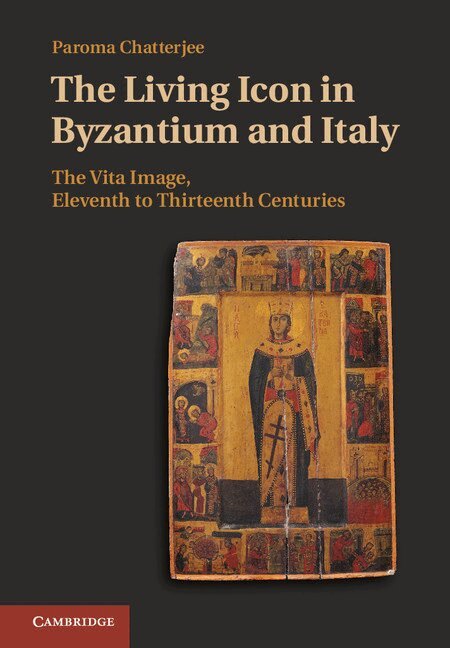
The Living Icon in Byzantium and Italy
The Vita Image, Eleventh to Thirteenth Centuries
Inbunden, 2014
1462 kr
Lägg i varukorg
This is the first book to explore the emergence and function of a novel pictorial format in the Middle Ages, the vita icon, which displayed the magnified portrait of a saint framed by scenes from his or her life. The vita icon was used for depicting the most popular figures in the Orthodox calendar …
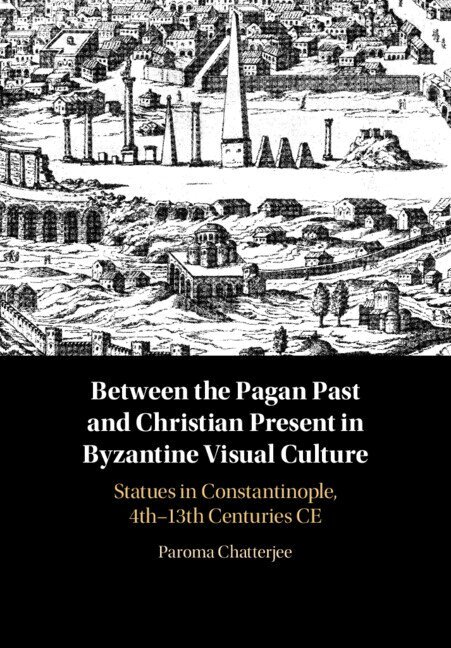
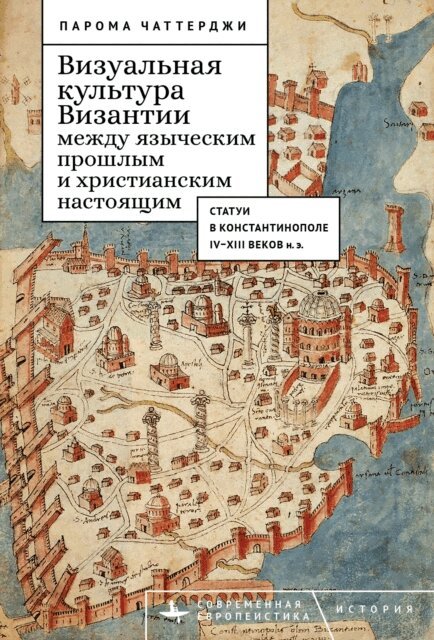
Between the Pagan Past and Christian Present in Byzantine Visual Culture
Statues in Constantinople, 4th-13th Centuries CE
Inbunden, 2022
1143 kr
Lägg i varukorg
Up to its pillage by the Crusaders in 1204, Constantinople teemed with magnificent statues of emperors, pagan gods, and mythical beasts. Yet the significance of this wealth of public sculpture has hardly been acknowledged beyond late antiquity. In this book, Paroma Chatterjee offers a new …
Between the Pagan Past and Christian Present in Byzantine Visual Culture
Statues in Constantinople, 4th-13th Centuries CE
E-bok, 2022
1337 kr
Lägg i varukorg
Up to its pillage by the Crusaders in 1204, Constantinople teemed with magnificent statues of emperors, pagan gods, and mythical beasts. Yet the significance of this wealth of public sculpture has hardly been acknowledged beyond late antiquity. In this book, Paroma Chatterjee offers a new …
Between the Pagan Past and Christian Present in Byzantine Visual Culture
Statues in Constantinople, 4th-13th Centuries CE
E-bok, 2022
1337 kr
Lägg i varukorg
Up to its pillage by the Crusaders in 1204, Constantinople teemed with magnificent statues of emperors, pagan gods, and mythical beasts. Yet the significance of this wealth of public sculpture has hardly been acknowledged beyond late antiquity. In this book, Paroma Chatterjee offers a new …
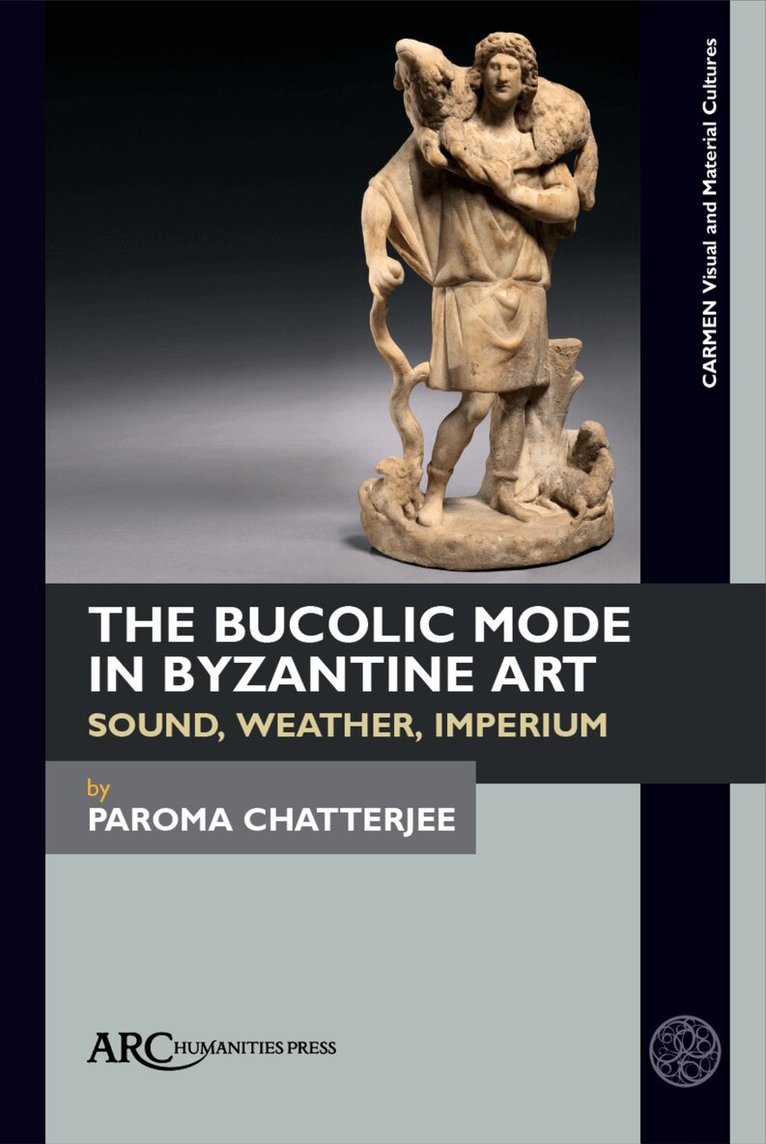
Bucolic Mode in Byzantine Art
Sound, Weather, Imperium
Inbunden, 2025
1952 kr
Lägg i varukorg
Bucolic imagery—of shepherds with flocks in idyllic surroundings—has barely been studied in Byzantine art history. These images elude our usual analytical categories of imperial, sacred, and secular art, and challenge our assumptions about visual narrative. This book demonstrates that a “bucolic …
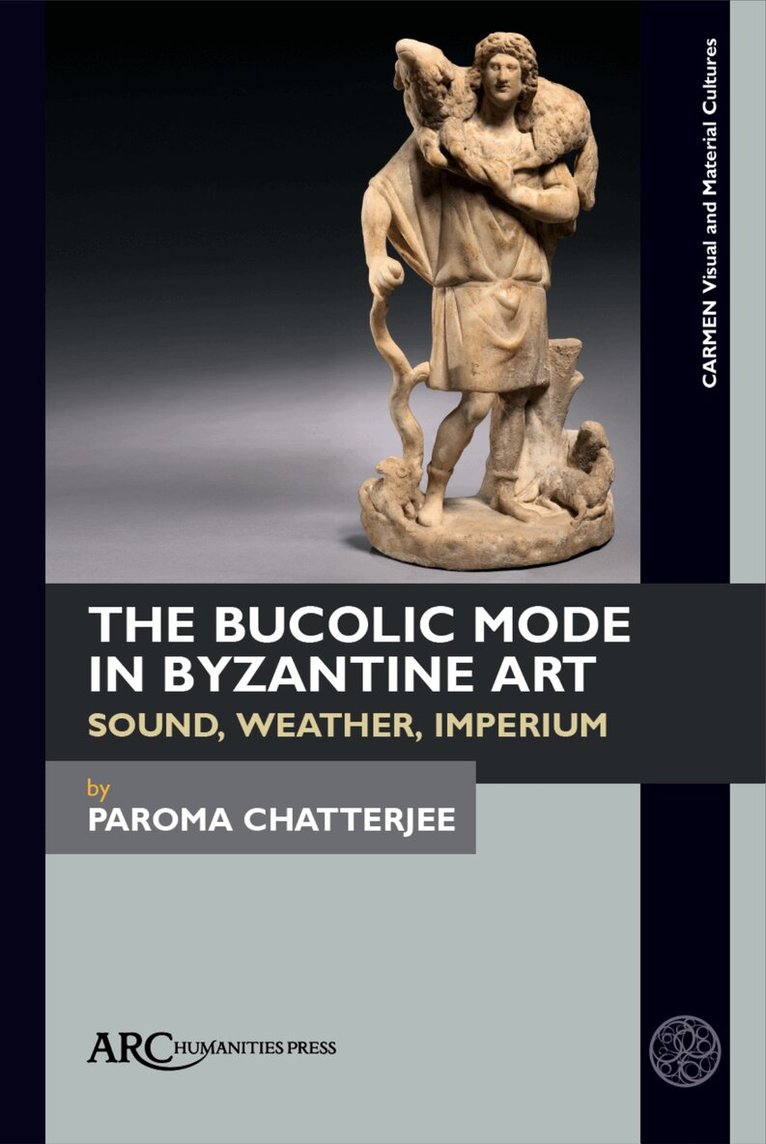
Bucolic Mode in Byzantine Art
Sound, Weather, Imperium
Häftad, 2026
548 kr
Lägg i varukorg
Bucolic imagery—of shepherds with flocks in idyllic surroundings—has barely been studied in Byzantine art history. These images elude our usual analytical categories of imperial, sacred, and secular art, and challenge our assumptions about visual narrative. This book demonstrates that a “bucolic …
Between the Pagan Past and Christian Present in Byzantine Visual Culture
(Statues in Constantinople, 4th-13th Centuries CE), 1910–1950
Inbunden, 2024
502 kr
Lägg i varukorg
ENGUp to its pillage by the Crusaders in 1204, Constantinople teemed with magnificent statues of emperors, pagan gods, and mythical beasts. Yet the significance of this wealth of public sculpture has hardly been acknowledged beyond late antiquity. In this book, Paroma Chatterjee offers a new …
Between the Pagan Past and Christian Present in Byzantine Visual Culture
(Statues in Constantinople, 4th-13th Centuries CE), 1910-1950
E-bok, 2024
698 kr
Lägg i varukorg
ENGUp to its pillage by the Crusaders in 1204, Constantinople teemed with magnificent statues of emperors, pagan gods, and mythical beasts. Yet the significance of this wealth of public sculpture has hardly been acknowledged beyond late antiquity. In this book, Paroma Chatterjee offers a new …