Pascale Benlian – författare
Visar alla böcker från författaren Pascale Benlian. Handla med fri frakt och snabb leverans.
3 produkter
3 produkter
Inbunden, Engelska, 2001
1 681 kr
Skickas inom 10-15 vardagar
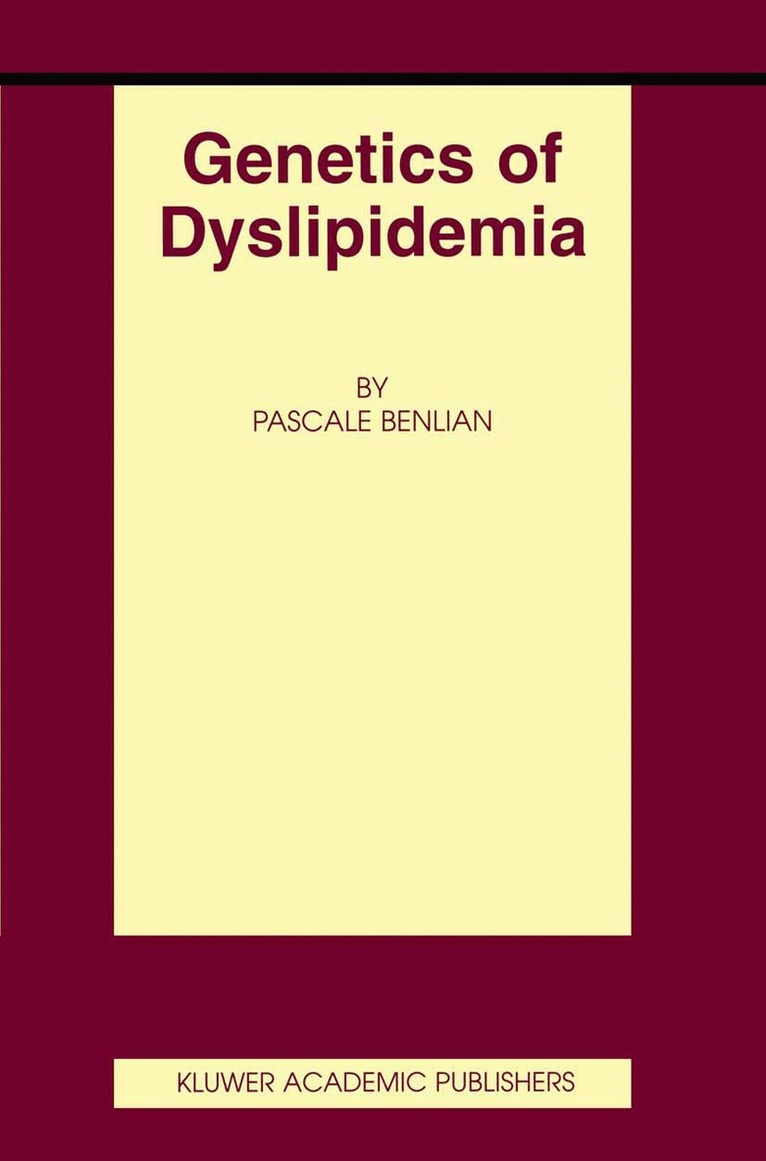
Profound mortality rates, due to cardiovascular disease, are a worldwide problem. One of the consequences from complications of this silent and chronic arterial disease is atherosclerosis. The challenge for the practitioner is adapting diagnostic and therapeutic responses to prevent this common and complex disease. Dyslipidemia, disorders of the metabolism of soluble transporter of lipids in extracellular spaces of the human body (including blood), called lipoproteins, are major cardiovascular risk factors and are themselves multifactorial diseases, resulting from interactions between genetic and environmental factors. The study of genetic factors has recently taken a new path with the study of DNA as an experimental object. More than 50 genes of lipoprotein metabolism have been identified in both their physiological actions and their contribution to the pathogenesis of human dyslipidemia. The diversity of these observations has refined our knowledge of the control of lipid metabolism and energy homeostasis in living organisms beyond the limits of the cardiovascular system.These studies have given way to a shake-up of former phenotypic classifications, distinguishing new entities, defining targeted therapeutic strategies, providing a basis for different patterns of disease distribution in human populations. The book is a fitting addition to the Endocrine Updates series. The aim of these publications is to provide the clinician with cutting edge, yet succinct, access to the latest advances in endocrinology.
Häftad, Engelska, 2012
1 681 kr
Skickas inom 10-15 vardagar
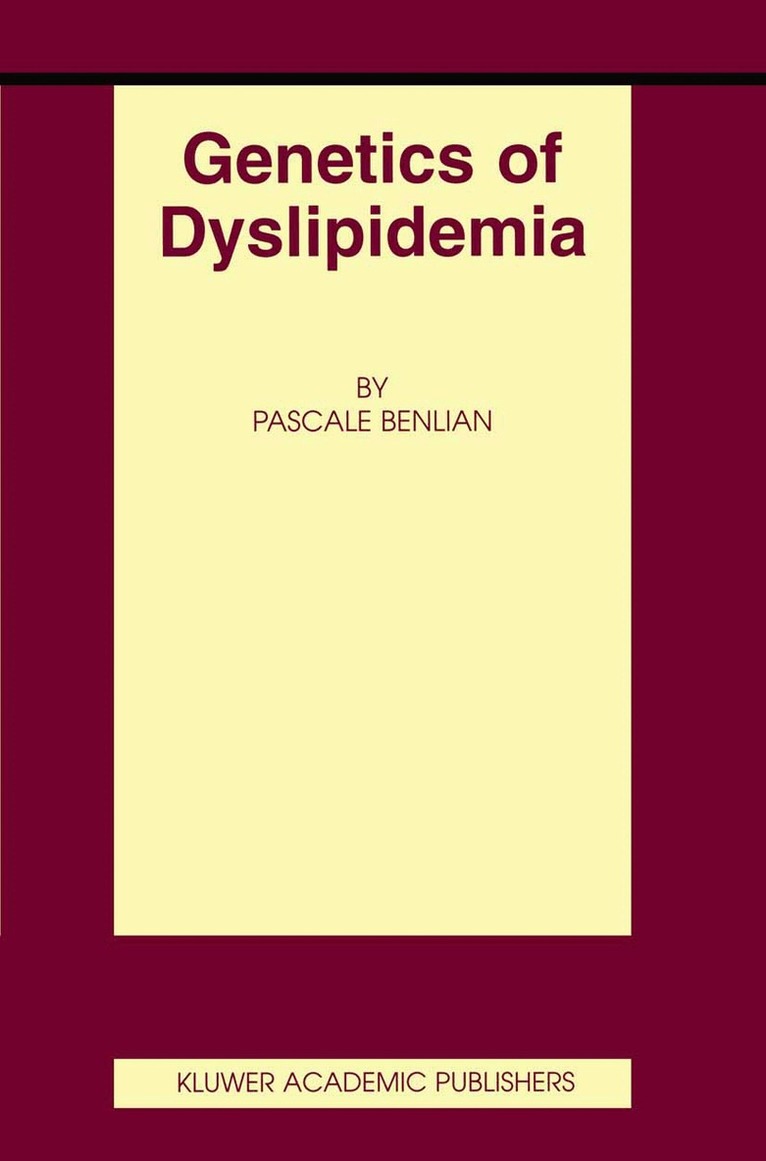
Profound mortality rates, due to cardiovascular disease, are a worldwide problem. Cardiovascular disease results from complications of a silent and chronic arterial disease: atherosclerosis.
E-bok
PDF, Engelska, 20122 036 kr
Läs direkt efter köp
Profound mortality rates, due to cardiovascular disease, are a worldwide problem. Cardiovascular disease results from complications of a silent and chronic arterial disease: atherosclerosis. The challenge for the practitioner is adapting diagnostic and therapeutic responses to prevent this common and complex disease. Dyslipidemia, are disorders of the metabolism of soluble transporters of lipids in extracellular spaces of the human body (including blood), called lipoproteins. They are major cardiovascular risk factors, causally related with atherosclerosis and are themselves multifactorial diseases, resulting from interactions between genetic and environmental factors. The study of genetic factors has recently taken a new path with the study of DNA as an experimental object. More than fifty genes of lipoprotein metabolism have been identified in both their physiological actions and their contribution to the pathogenesis of human dyslipidemia. The diversity of observations has refined our current knowledge of the control of lipid metabolism and energy homeostasis in living organisms beyond the limits of the cardiovascular system (e.g., brain, immune system, and development). These studies have given way to a shake-up of former phenotypic classifications, distinguishing new entities, defining targeted therapeutic strategies, providing a basis for different patterns of disease distribution in human populations.