Patricia Emison – författare
Visar alla böcker från författaren Patricia Emison. Handla med fri frakt och snabb leverans.
17 produkter
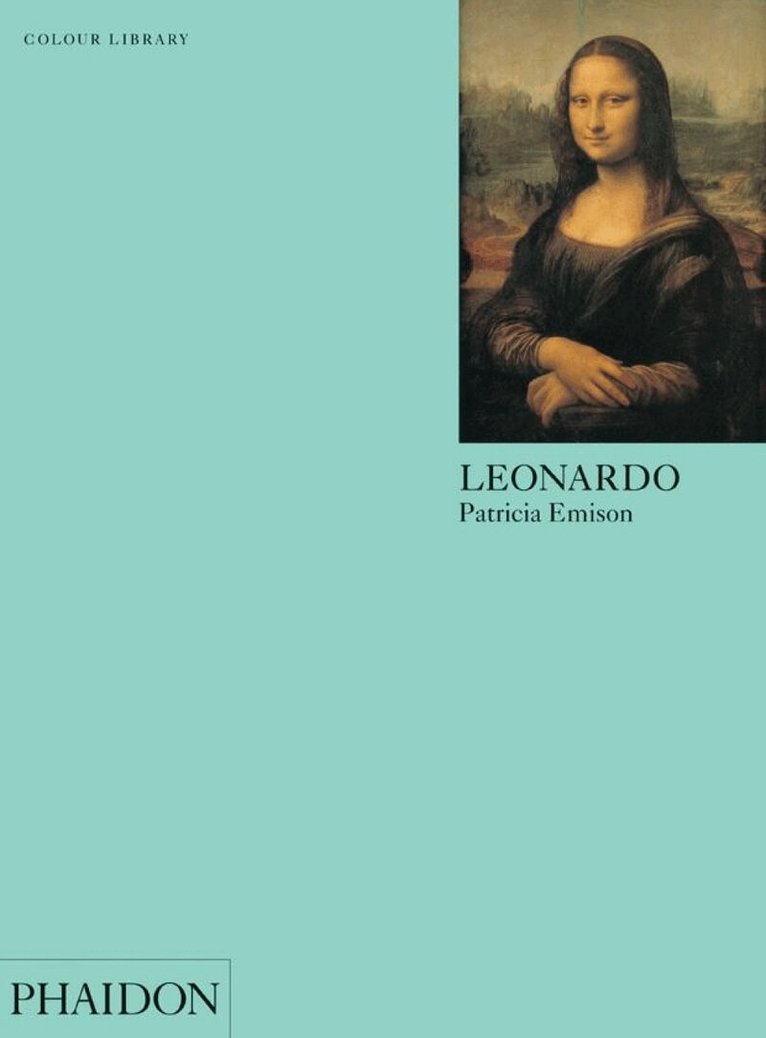
Leonardo
Häftad, 2011
102 kr
Lägg i varukorg
The latest addition to the best-selling Colour Library series of introductory books on the great masters and movements in art features all Leonardo's painted works and a detailed illustrated introduction.
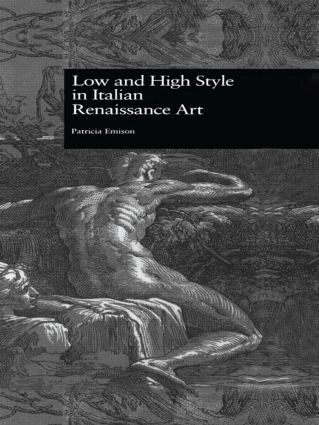
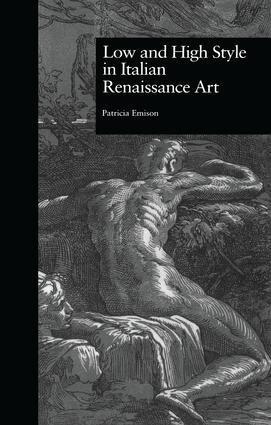
Low and High Style in Italian Renaissance Art
Inbunden, 1997
2586 kr
Lägg i varukorg
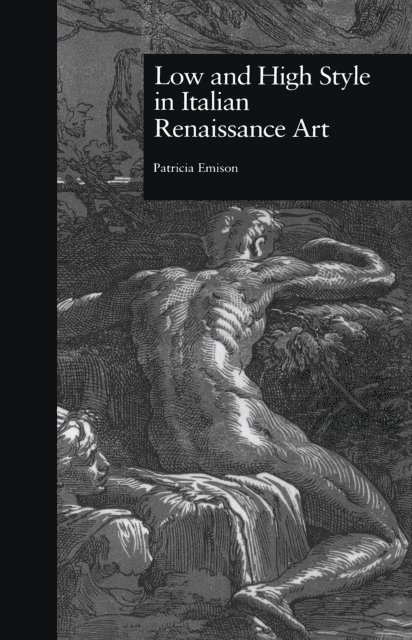
During the later 15th and in the 16th centuries pictures began to be made without action, without place for heroism, pictures more rueful than celebratory. In part, Renaissance art adjusted to the social and economic pressures with an art we may be hard pressed to recognize under that same …
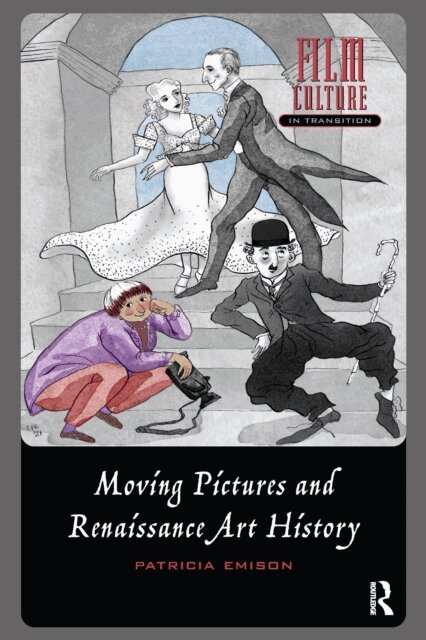
Moving Pictures and Renaissance Art History
E-bok, 2025
856 kr
Lägg i varukorg
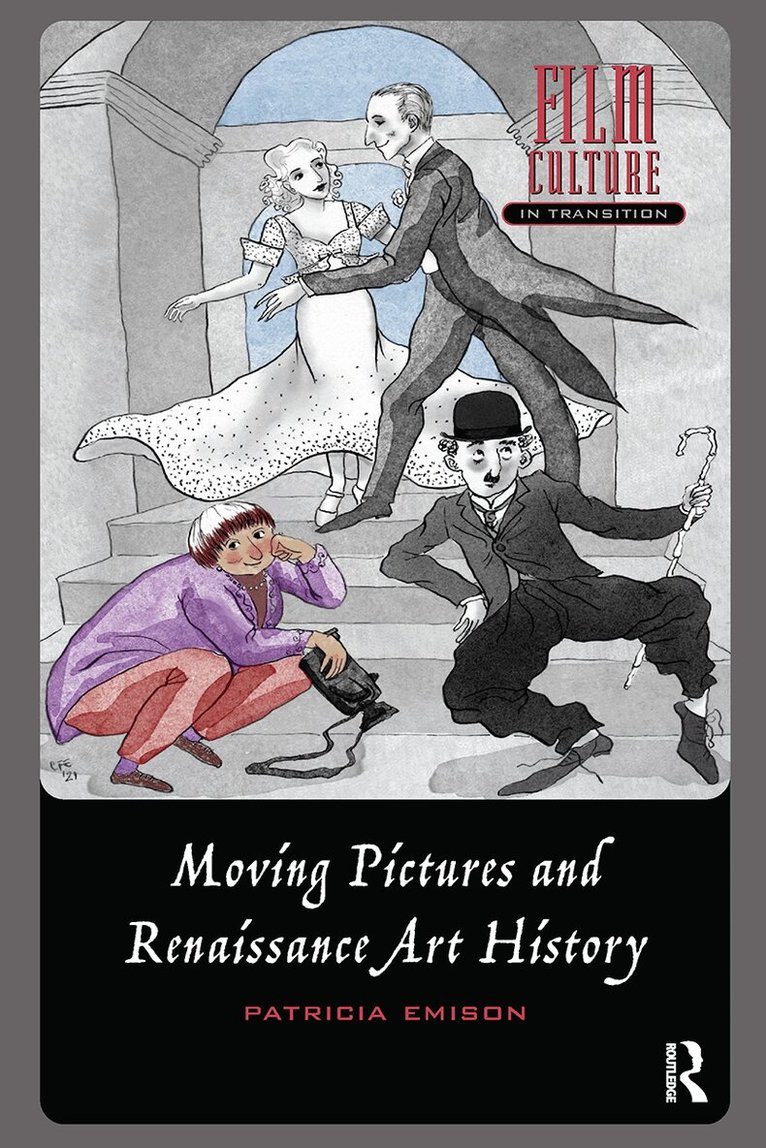
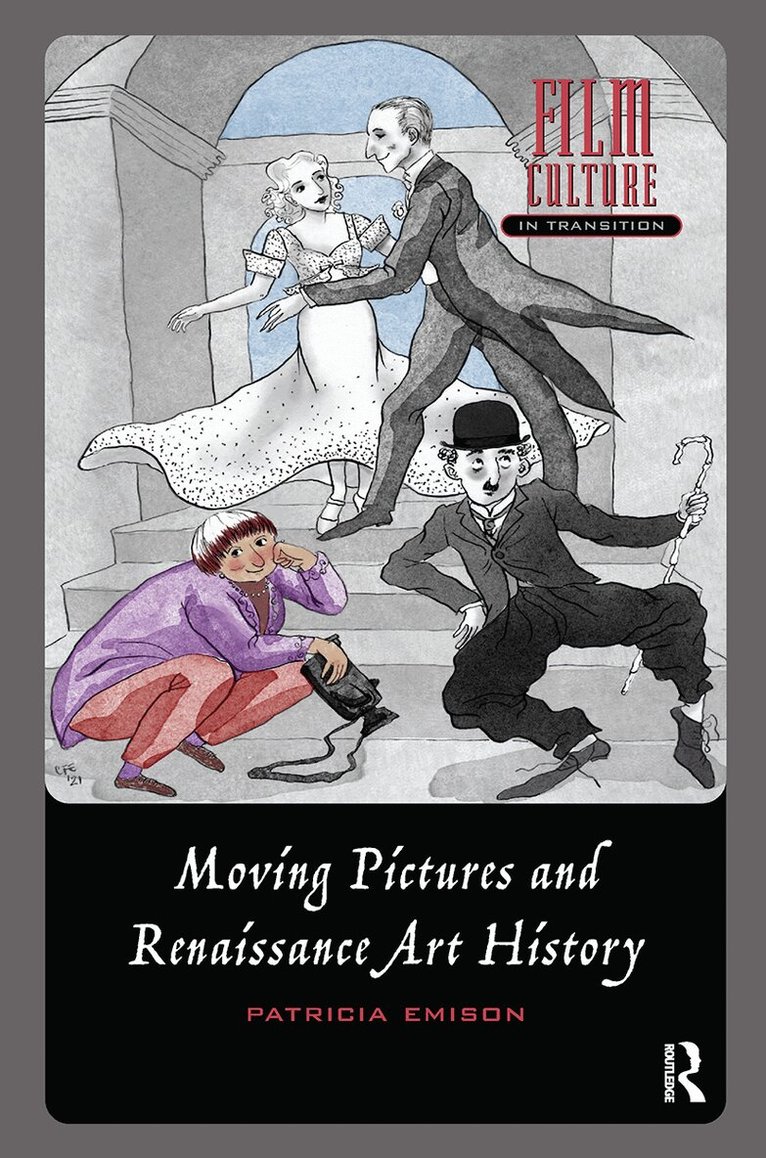
Film, like the printed imagery inaugurated during the Renaissance, spread ideas - not least the idea of the power of visual art - across not only geographical and political divides but also strata of class and gender. Moving Pictures and Renaissance Art History examines the early flourishing of …
Moving Pictures and Renaissance Art History
E-bok, 2025
838 kr
Lägg i varukorg
Film, like the printed imagery inaugurated during the Renaissance, spread ideas - not least the idea of the power of visual art - across not only geographical and political divides but also strata of class and gender. Moving Pictures and Renaissance Art History examines the early flourishing of …
Moving Pictures and Renaissance Art History
Häftad, 2025
727 kr
Lägg i varukorg
Film, like the printed imagery inaugurated during the Renaissance, spread ideas – not least the idea of the power of visual art – across not only geographical and political divides but also strata of class and gender. Moving Pictures and Renaissance Art History examines the early flourishing of …
The Italian Renaissance and Cultural Memory
Inbunden, 2011
1641 kr
Lägg i varukorg
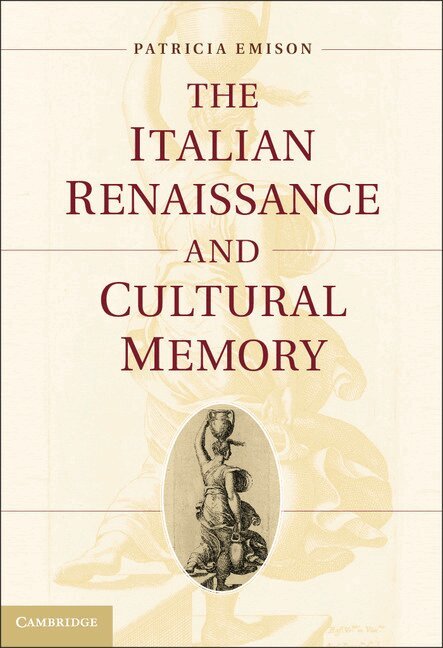
Why did Renaissance art come to matter so much, so widely, and for so long? Patricia Emison's answer draws on a recalibrated view of the long Renaissance - from 1300 to 1600 - synthesizing the considerable evolution in our understanding of the epoch since the foundational nineteenth-century studies …
Low and High Style in Italian Renaissance Art
E-bok, 2013
970 kr
Lägg i varukorg
During the later 15th and in the 16th centuries pictures began to be made without action, without place for heroism, pictures more rueful than celebratory. In part, Renaissance art adjusted to the social and economic pressures with an art we may be hard pressed to recognize under that same …
Low and High Style in Italian Renaissance Art
E-bok, 2013
1091 kr
Lägg i varukorg
During the later 15th and in the 16th centuries pictures began to be made without action, without place for heroism, pictures more rueful than celebratory. In part, Renaissance art adjusted to the social and economic pressures with an art we may be hard pressed to recognize under that same …
Low and High Style in Italian Renaissance Art
Häftad, 2016
847 kr
Lägg i varukorg
During the later 15th and in the 16th centuries pictures began to be made without action, without place for heroism, pictures more rueful than celebratory. In part, Renaissance art adjusted to the social and economic pressures with an art we may be hard pressed to recognize under that same …
Long Picturesque, or Unraveling the Rules of Art
Inbunden, 2024
1699 kr
Lägg i varukorg
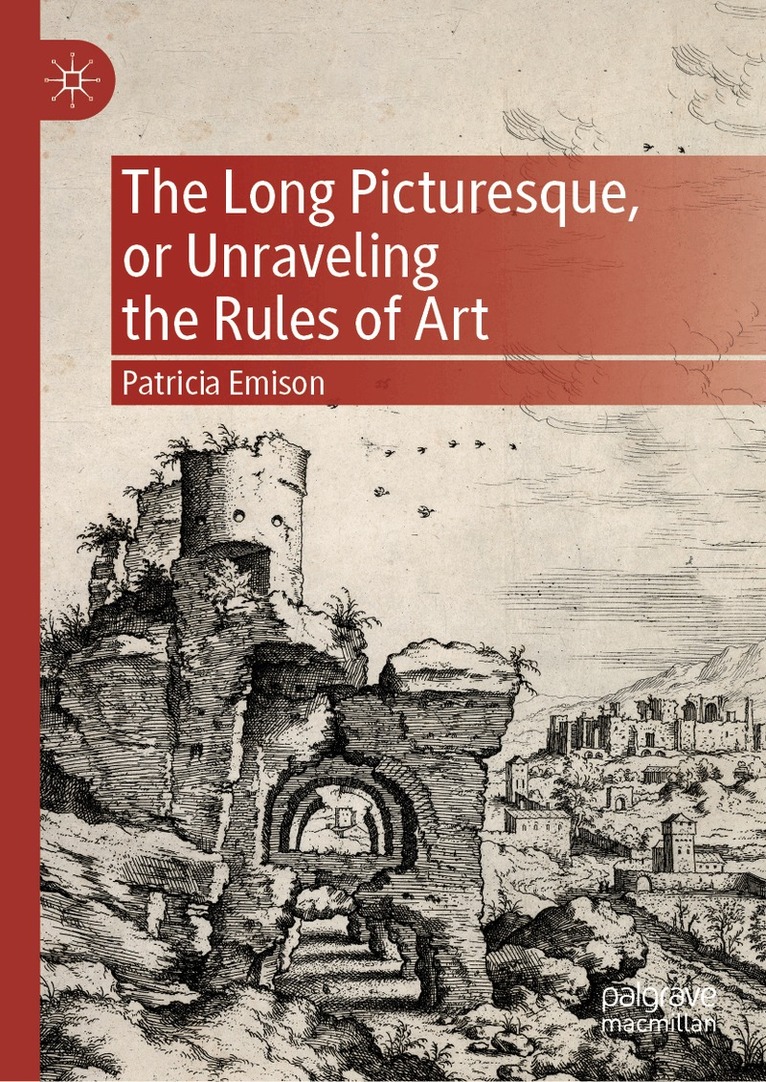
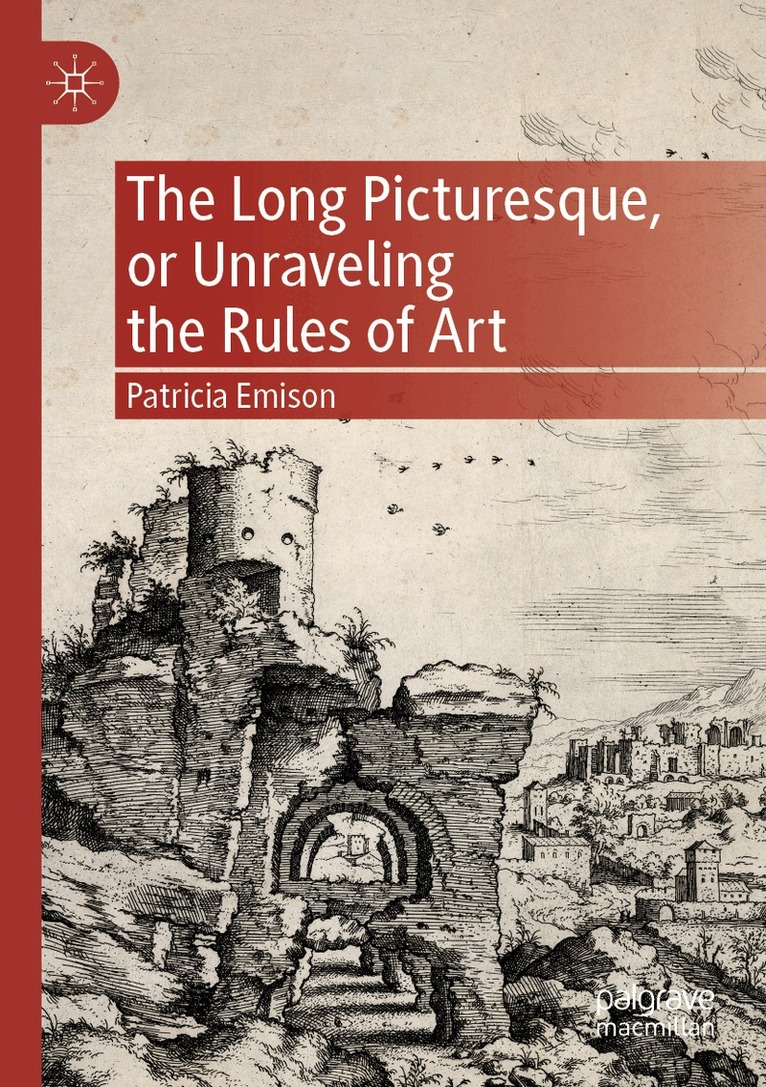
This book provides a Renaissance art historian’s view of how the picturesque aesthetic developed from roots in the sixteenth century (mostly in painting, but with ramifications for printmaking, landscape design, and architecture), and further, how the picturesque aesthetic fundamentally changed the …
Long Picturesque, or Unraveling the Rules of Art
E-bok, 2024
2174 kr
Lägg i varukorg
This book provides a Renaissance art historian’s view of how the picturesque aesthetic developed from roots in the sixteenth century (mostly in painting, but with ramifications for printmaking, landscape design, and architecture), and further, how the picturesque aesthetic fundamentally changed the …
Long Picturesque, or Unraveling the Rules of Art
Häftad, 2025
1699 kr
Lägg i varukorg
This book provides a Renaissance art historian’s view of how the picturesque aesthetic developed from roots in the sixteenth century (mostly in painting, but with ramifications for printmaking, landscape design, and architecture), and further, how the picturesque aesthetic fundamentally changed the …
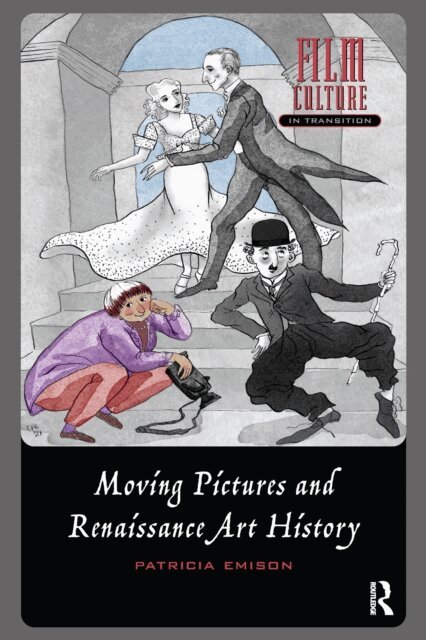
Moving Pictures and Renaissance Art History
Inbunden, 2021
3156 kr
Lägg i varukorg
Film, like the printed imagery inaugurated during the Renaissance, spread ideas - not least the idea of the power of visual art - across not only geographical and political divides but also strata of class and gender. Moving Pictures and Renaissance Art History examines the early flourishing of …