Patrick Brereton – författare
Visar alla böcker från författaren Patrick Brereton. Handla med fri frakt och snabb leverans.
3 produkter
3 produkter
E-bok
Engelska, 20071 965 kr
Läs direkt efter köp
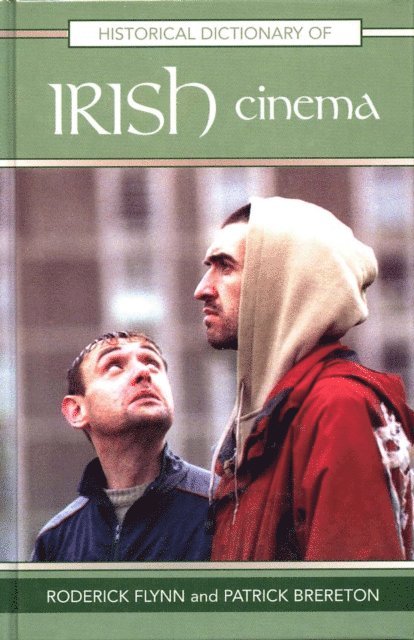
In 1898, documentary footage of a yacht race was shot by Robert A. Mitchell, making him the first Irishman to shoot a film within Ireland. Despite early exposure to the filmmaking process, Ireland did not develop a regular film industry until the late 1910s when James Mark Sullivan established the Film Company of Ireland. Since that time, Ireland has played host to many famous films about the country-Man of Aran, The Quiet Man, The Crying Game, My Left Foot, and Bloody Sunday-as well as others not about the country-Braveheart and Saving Private Ryan. It has also produced great directors such as Neil Jordan and Jim Sheridan, as well as throngs of exceptional actors and actresses: Colin Farrel, Colm Meaney, Cillian Murphy, Liam Neeson, Maureen O''Hara, and Peter O''Toole.The Historical Dictionary of Irish Cinema provides essential facts on the history of Irish cinema through a list of acronyms and abbreviation; a chronology; an introduction; a bibliography; and hundreds of cross-referenced dictionary entries on the pioneers and current leaders in the industry, the actors, directors, distributors, exhibitors, schools, arts centers, the government bodies and some of the legislation they passed, and the films.
Del 185 - A to Z Guide Series
A to Z of Irish Cinema
Häftad, Engelska, 2010
745 kr
Skickas inom 10-15 vardagar
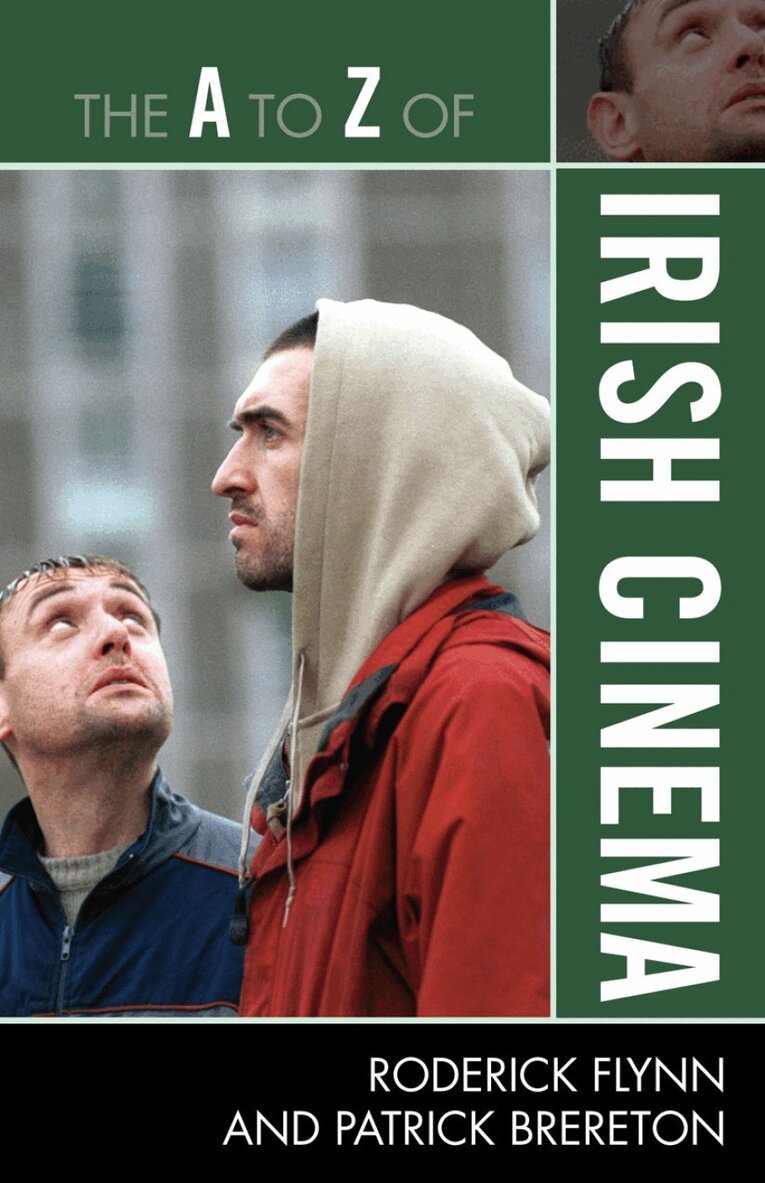
In 1898, documentary footage of a yacht race was shot by Robert A. Mitchell, making him the first Irishman to shoot a film within Ireland. Despite early exposure to the filmmaking process, Ireland did not develop a regular film industry until the late 1910s when James Mark Sullivan established the Film Company of Ireland. Since that time, Ireland has played host to many famous films about the country—Man of Aran, The Quiet Man, The Crying Game, My Left Foot, and Bloody Sunday—as well as others not about the country—Braveheart and Saving Private Ryan. It has also produced great directors such as Neil Jordan and Jim Sheridan, as well as throngs of exceptional actors and actresses: Colin Farrel, Colm Meaney, Cillian Murphy, Liam Neeson, Maureen O'Hara, and Peter O'Toole.The A to Z of Irish Cinema provides essential facts on the history of Irish cinema through a chronology; an introduction; a bibliography; and hundreds of cross-referenced dictionary entries on the pioneers and current leaders in the industry, the actors, directors, distributors, exhibitors, schools, arts centers, the government bodies and some of the legislation they passed, and the films.
E-bok
Engelska, 2004475 kr
Läs direkt efter köp
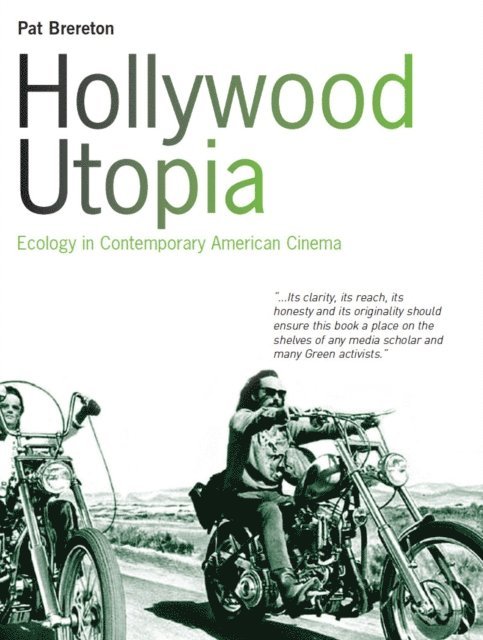
Utopianism, alongside its more prevalent dystopian opposite together with ecological study has become a magnet for interdisciplinary research and is used extensively to examine the most influential global medium of all time. The book applies a range of interdisciplinary strategies to trace the evolution of ecological representations in Hollywood film from 1950s to the present, which has not been done on this scale before. Many popular science fiction, westerns, nature and road movies, as listed in the filmography are extensively analysed while particularly privileging ecological moments of sublime expression often dramatized in the closing moments of these films. The five chapters all use detailed film readings to exemplify various aspects of this ‘feel good’ utopian phenomenon which begins with an exploration of the various meanings of ecology with detailed examples like Titanic helping to frame its implications for film study. Chapter two concentrates on nature film and its impact on ecology and utopianism using films like Emerald Forest and Jurassic Park, while the third chapter looks at road movies and also foreground nature and landscape as read through cult films like Easy Rider, Thelma and Louise and Grand Canyon. The final two science fiction chapters begin with 1950s B movie classics, Invasion of the Body Snatchers, and The Incredible Shrinking Man and compare these with more recent conspiracy films like Soylent Green and Logan’s Run alongside the Star Trek phenomenon. The last chapter provides a postmodernist appreciation of ecology and its central importance within contemporary cultural studies as well as applying post-human, feminist and cyborg theory to more recent debates around ecology and ‘hope for the future’, using readings of among others the Terminator series, Blade Runner, The Fifth Element and Alien Resurrection.