Patrick Duffley – författare
Visar alla böcker från författaren Patrick Duffley. Handla med fri frakt och snabb leverans.
6 produkter
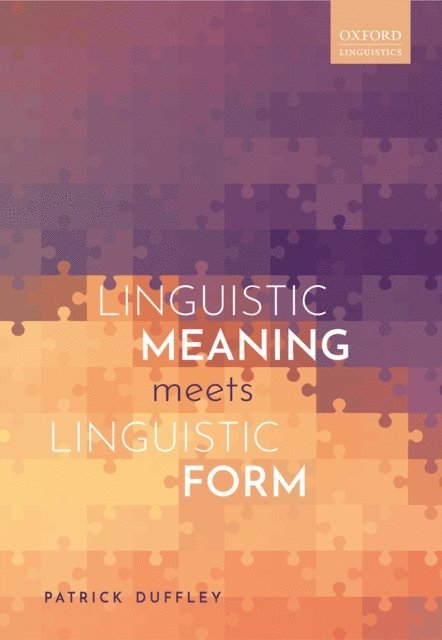
Linguistic Meaning Meets Linguistic Form
E-bok, 2020
505 kr
Lägg i varukorg
This book steers a middle course between two opposing conceptions that currently dominate the field of semantics, the logical and cognitive approaches. Patrick Duffley brings to light the inadequacies of both of these frameworks, arguing that linguistic semantics must be based on the linguistic …
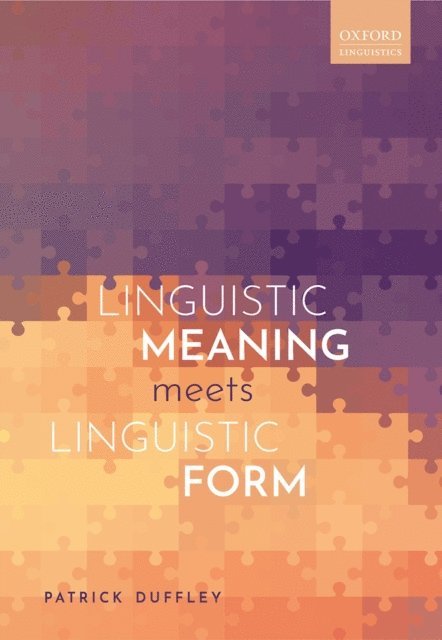
Linguistic Meaning Meets Linguistic Form
E-bok, 2020
505 kr
Lägg i varukorg
This book steers a middle course between two opposing conceptions that currently dominate the field of semantics, the logical and cognitive approaches. Patrick Duffley brings to light the inadequacies of both of these frameworks, arguing that linguistic semantics must be based on the linguistic …
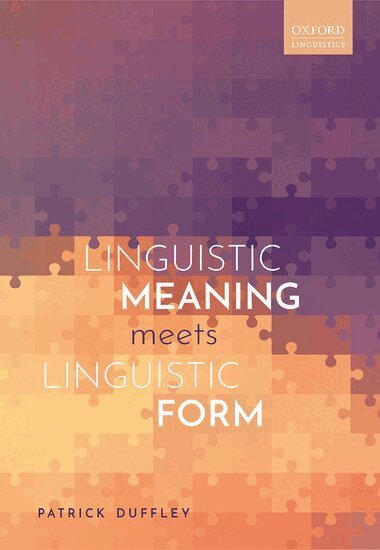
Linguistic Meaning Meets Linguistic Form
Inbunden, 2020
1390 kr
Lägg i varukorg
This book steers a middle course between two opposing conceptions that currently dominate the field of semantics, the logical and cognitive approaches. Patrick Duffley brings to light the inadequacies of both of these frameworks, arguing that linguistic semantics must be based on the linguistic …
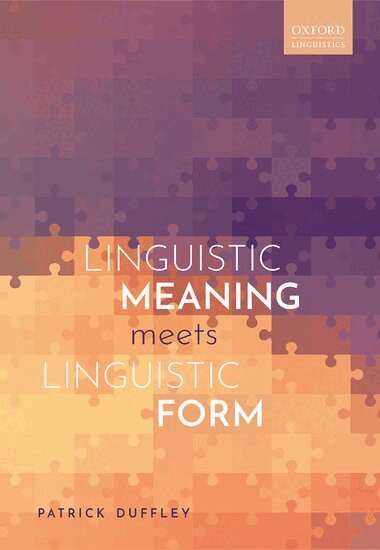
Linguistic Meaning Meets Linguistic Form
Häftad, 2020
612 kr
Lägg i varukorg
This book steers a middle course between two opposing conceptions that currently dominate the field of semantics, the logical and cognitive approaches. Patrick Duffley brings to light the inadequacies of both of these frameworks, arguing that linguistic semantics must be based on the linguistic …
What is Said and What is Infra-Said
The Fine Line Between Linguistic Semantics and Pragmatics and its Consequences for Syntax
Inbunden, 2027
1623 kr
Kommande
What is Said and What is Infra-Said argues for a fundamental re-evaluation of the distinction between semantics and pragmatics in linguistic theory, highlighting the limitations of the prevalent view that sentences possess context-free propositional meanings. Traditional approaches in pragmatics …
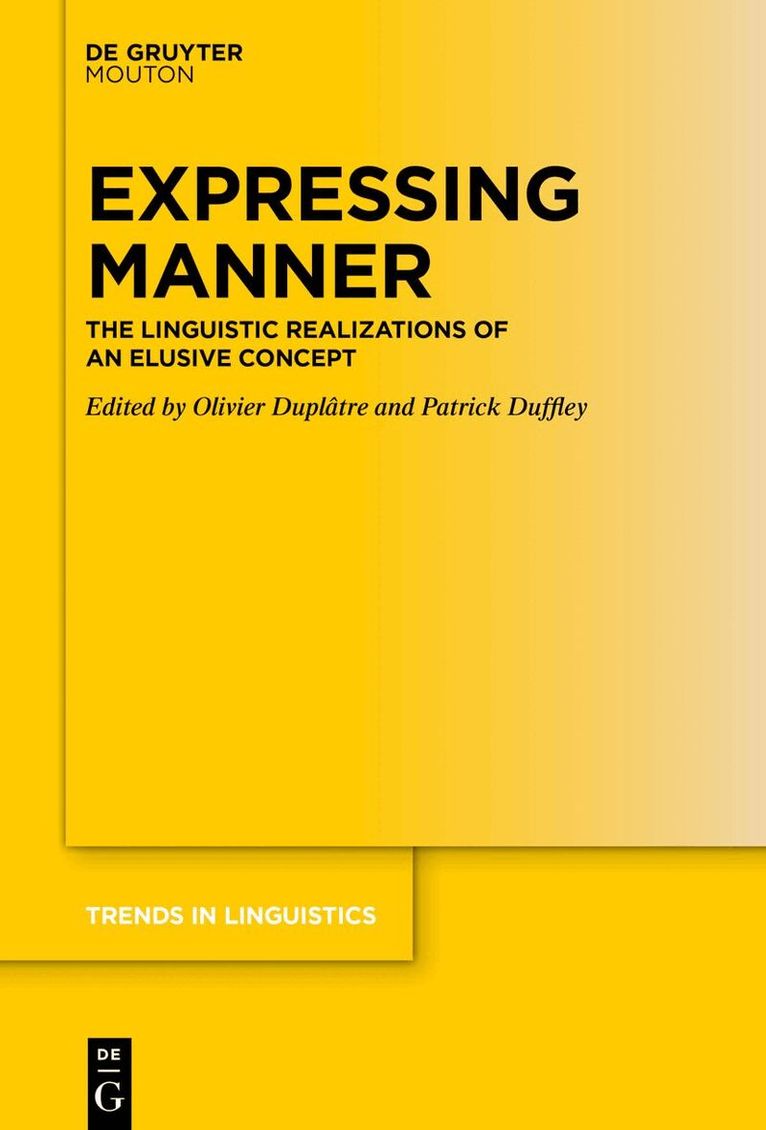
Expressing Manner
The Linguistic Realizations of an Elusive Concept
Av Olivier Duplâtre, Patrick Duffley
Inbunden, 2026
1781 kr
Lägg i varukorg
Traditional grammar distinguishes adverbs by establishing semantic classes: adverbs of place are the starting point of this classification, followed by adverbs of time and manner adverbs. But what is manner? Unlike space or time, it has never been the subject of in-depth investigation. We take for …