Patrick Rérat – författare
Visar alla böcker från författaren Patrick Rérat. Handla med fri frakt och snabb leverans.
4 produkter
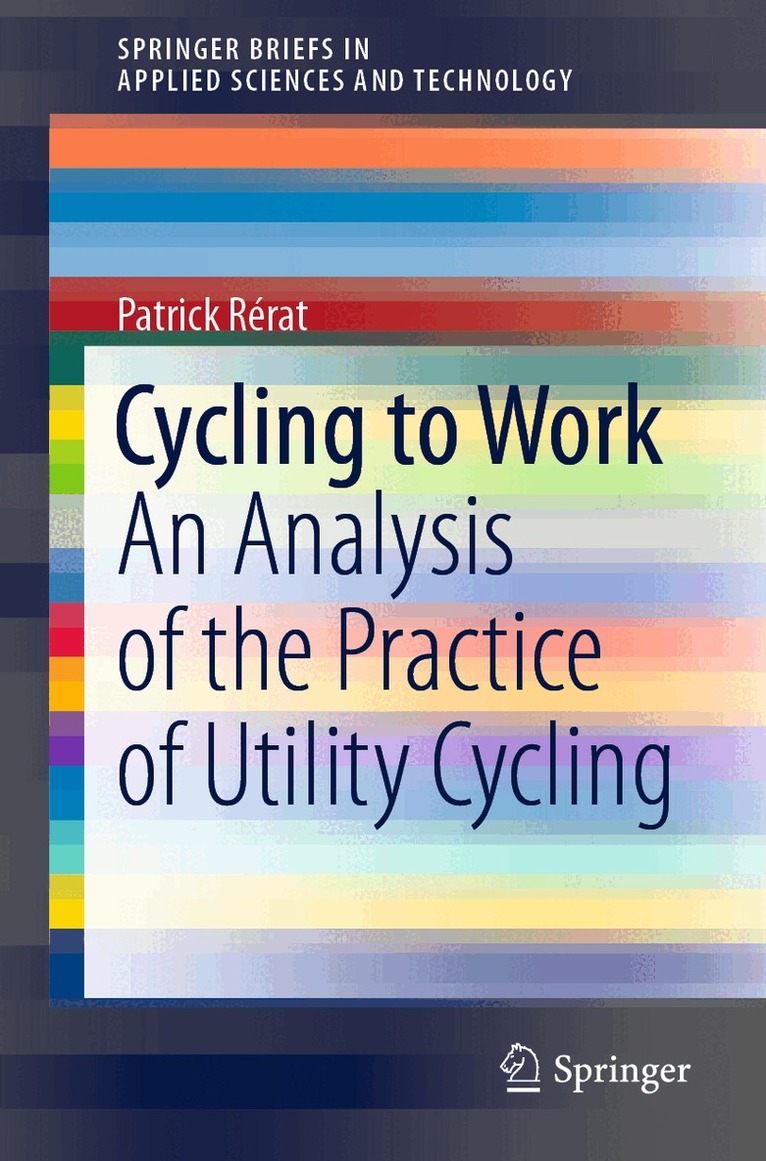
Cycling to Work
An Analysis of the Practice of Utility Cycling
Häftad, 2020
660 kr
Lägg i varukorg
This book presents a thorough discussion of utility cycling, cycling in the urban environment, and everyday mobility. It is based on large survey answered by 14,000 participants in the bike to work action in Switzerland, and quantifies the various dimensions of utility cycling.It proposes an …
Cycling to Work
An Analysis of the Practice of Utility Cycling
E-bok, 2020
897 kr
Lägg i varukorg
This book presents a thorough discussion of utility cycling, cycling in the urban environment, and everyday mobility. It is based on large survey answered by 14,000 participants in the bike to work action in Switzerland, and quantifies the various dimensions of utility cycling. It proposes an …
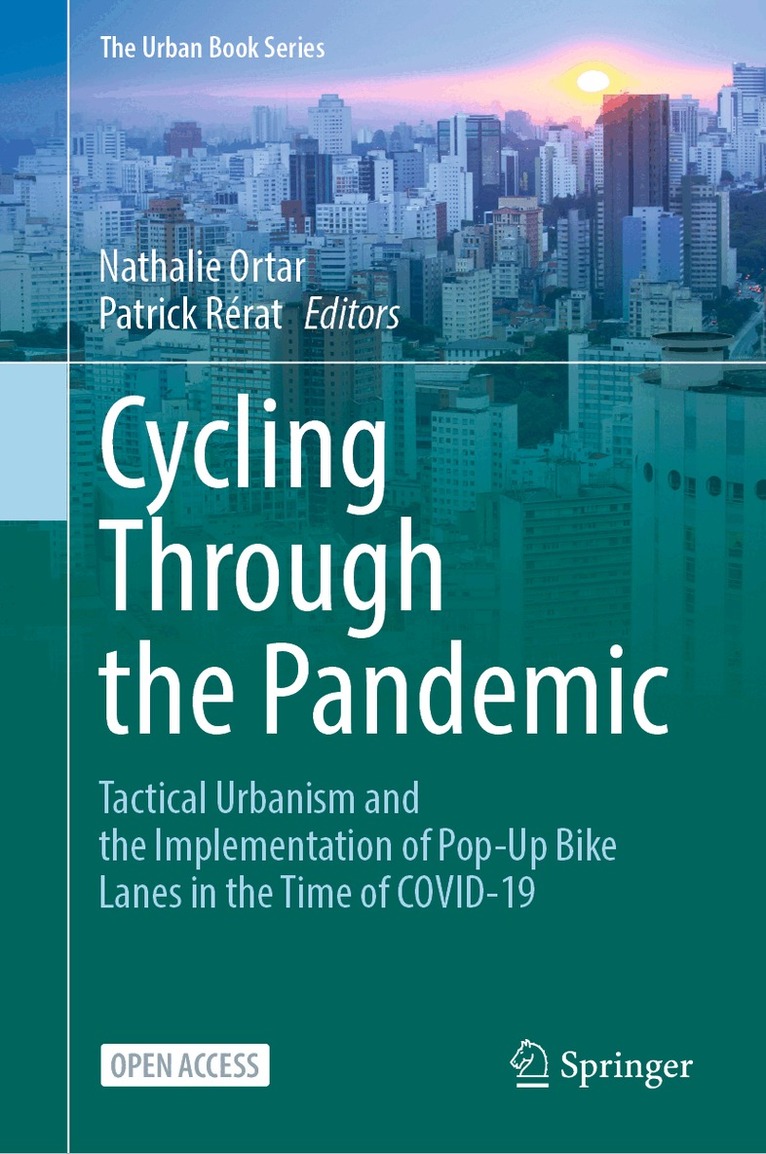
Cycling Through the Pandemic
Tactical Urbanism and the Implementation of Pop-Up Bike Lanes in the Time of COVID-19
Av Nathalie Ortar, Patrick Rérat
Inbunden, 2023
621 kr
Lägg i varukorg
This open access book provides insight on how the tactical urbanism has the capacity to influence change in mobility practices such as cycling. COVID-19 crisis prompted the public authorities to rethink the use of public space in order to develop means of transport that are both efficient and …
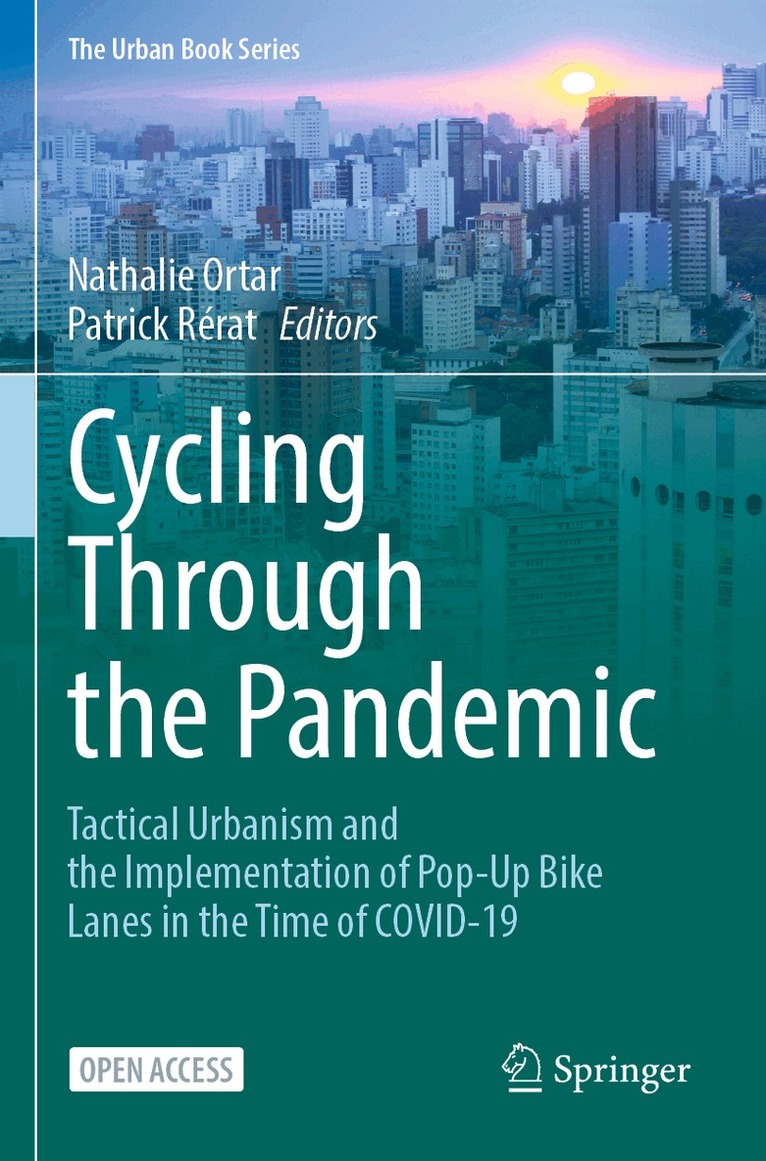
Cycling Through the Pandemic
Tactical Urbanism and the Implementation of Pop-Up Bike Lanes in the Time of COVID-19
Av Nathalie Ortar, Patrick Rérat
Häftad, 2023
442 kr
Lägg i varukorg
This open access book provides insight on how the tactical urbanism has the capacity to influence change in mobility practices such as cycling. COVID-19 crisis prompted the public authorities to rethink the use of public space in order to develop means of transport that are both efficient and …