Paul Bergne – författare
Visar alla böcker från författaren Paul Bergne. Handla med fri frakt och snabb leverans.
4 produkter
4 produkter
Häftad, Engelska, 2014
247 kr
Skickas inom 5-8 vardagar
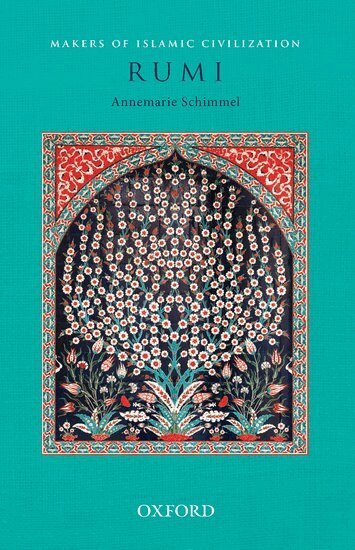
Jalaluddin Rumi (1207-1273) is the most famous exponent of the mystical tradition in Islam and venerated as 'Mevlana', 'our master'. The still flourishing Mevlevi order of dervishes, famous for their ecstatic music and dance, was organized by his eldest son on the basis of Rumi's teaching and practice. He spent most of his life in Konya in Rum (modern Anatolia), whence the name 'Rumi'. His longest work, the Mathnavi, has held its reputation in the eastern lands of the Islamic world as the most recited and venerated text after the Qur'an. Echoes of the Muslim Scripture, and traces of Rumi's education as a traditional Muslim jurist or faqih, are apparent throughout his writings. The resurgence of interest in Rumi in the West has evolved into a cult, especially on American college campuses. As Schimmel explains, this cult does not do justice to the profound spiritual passion and insights of the Mathnavi and Rumi's Divan. In this concise, readable essay, she sketches the major landmarks in Rumi's life and the influences on it, the religious and cultural background of his poetic Sufism, the dominant strands of imagery and the range of tone and anecdote that animate his spiritual world. She explains why Rumi, as poet and mystic, must be understood in the Persian literary and the Islamic religious traditions to which he belonged. It is through those traditions that he experienced and expressed the Divine Love that the peoples of all faith traditions immediately recognize and affirm. The closing chapters review recent scholarship and translations of Rumi's works, in West and East, and answer the question 'What does Rumi mean to us in the modern world?'
E-bok
PDF, Engelska, 2007499 kr
Läs direkt efter köp
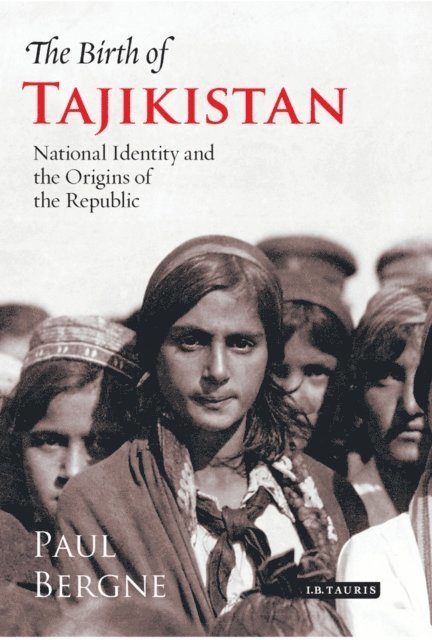
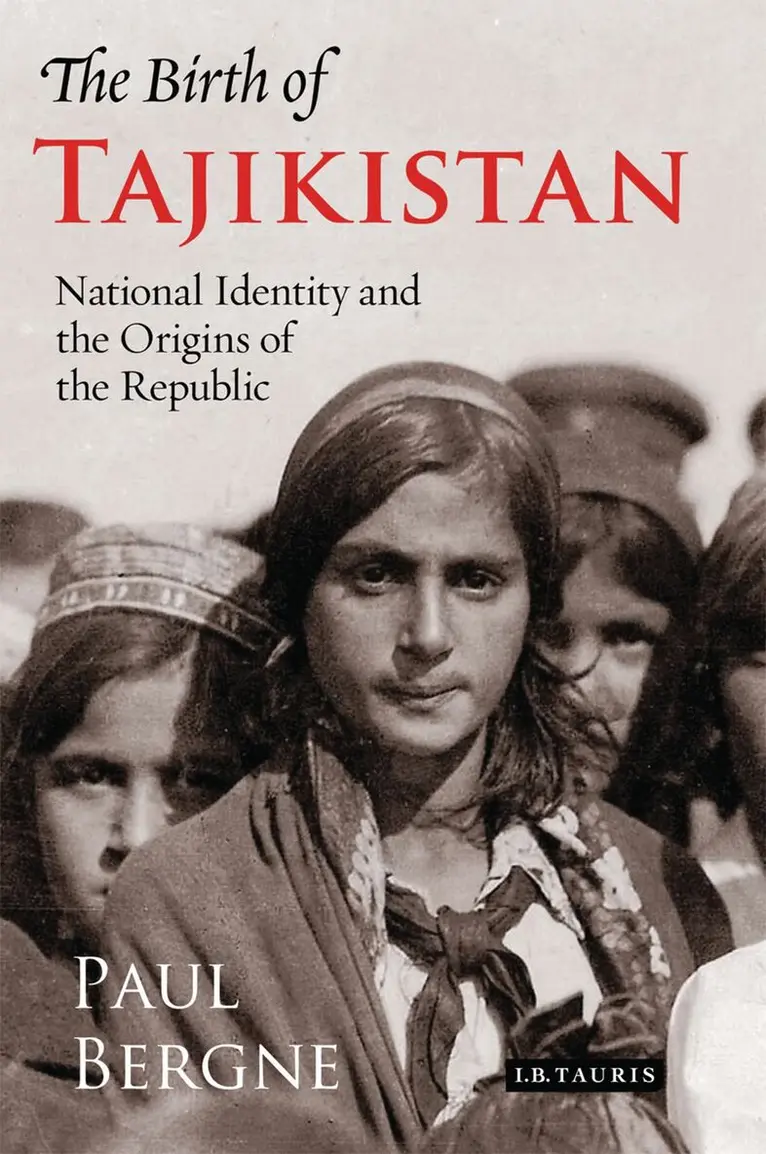
When the Bolshevik Revolution broke out in October 1917, much of Central Asia was still ruled by autonomous rulers such as the Emir of Bukhara and the Khan of Khiva. By 1920 the khanates had been transformed into People's Republics. In 1924, Stalin re-drew the frontiers of the region on ethno-linguistic lines creating, amongst other statelets, the Soviet Socialist Republic of Uzbekistan - the land of the Uzbeks.But the Turkic Uzbeks were not the only significant ethnic group within the new Uzbekistan's frontiers. The Persian-speaking Tajiks formed a considerable part of the population. This book describes how, often in the teeth of Uzbek opposition, the Tajiks gained, first an autonomous oblast (administrative region) within Uzbekistan, then an autonomous republic, and finally, in 1929, the status of a full Soviet Union Republic. Once the Tajiks had been granted a territory of their own, they began to strive for a national identity and to create national pride. Their new government had not only to survive the civil war that followed the revolution but then to build an entirely new country in an immensely inhospitable terrain. New frontiers had to be wrested from neighbours, and a new cultural identity, 'national in form but socialist in content', had to be created, which was to be an example to other Persian speakers in the region. Paul Bergne has produced the first documentation of how the idea of a Tajik state came into being and offers a vivid history of the birth of a nation.
Häftad, Engelska, 2018
465 kr
Skickas inom 10-15 vardagar
When the Bolshevik Revolution broke out in October 1917, much of Central Asia was still ruled by autonomous rulers such as the Emir of Bukhara and the Khan of Khiva. By 1920 the khanates had been transformed into People's Republics. In 1924, Stalin re-drew the frontiers of the region on ethno-linguistic lines creating, amongst other statelets, the Soviet Socialist Republic of Uzbekistan - the land of the Uzbeks.But the Turkic Uzbeks were not the only significant ethnic group within the new Uzbekistan's frontiers. The Persian-speaking Tajiks formed a considerable part of the population. This book describes how, often in the teeth of Uzbek opposition, the Tajiks gained, first an autonomous oblast (administrative region) within Uzbekistan, then an autonomous republic, and finally, in 1929, the status of a full Soviet Union Republic. Once the Tajiks had been granted a territory of their own, their new government had not only to survive the civil war that followed the revolution but then to build an entirely new country in an immensely inhospitable terrain. New frontiers had to be wrested from neighbours, and a new cultural identity, `national in form but socialist in content', had to be created. The Birth of Tajikistan is the first documentation of how the idea of a Tajik state came into being and offers a vivid history of the birth of a nation.
Inbunden, Engelska, 2007
2 009 kr
Skickas inom 10-15 vardagar