Paul Costello – författare
Visar alla böcker från författaren Paul Costello. Handla med fri frakt och snabb leverans.
3 produkter
3 produkter
Häftad, Engelska, 2012
220 kr
Skickas inom 5-8 vardagar
Inbunden, Engelska, 2019
523 kr
Skickas inom 3-6 vardagar
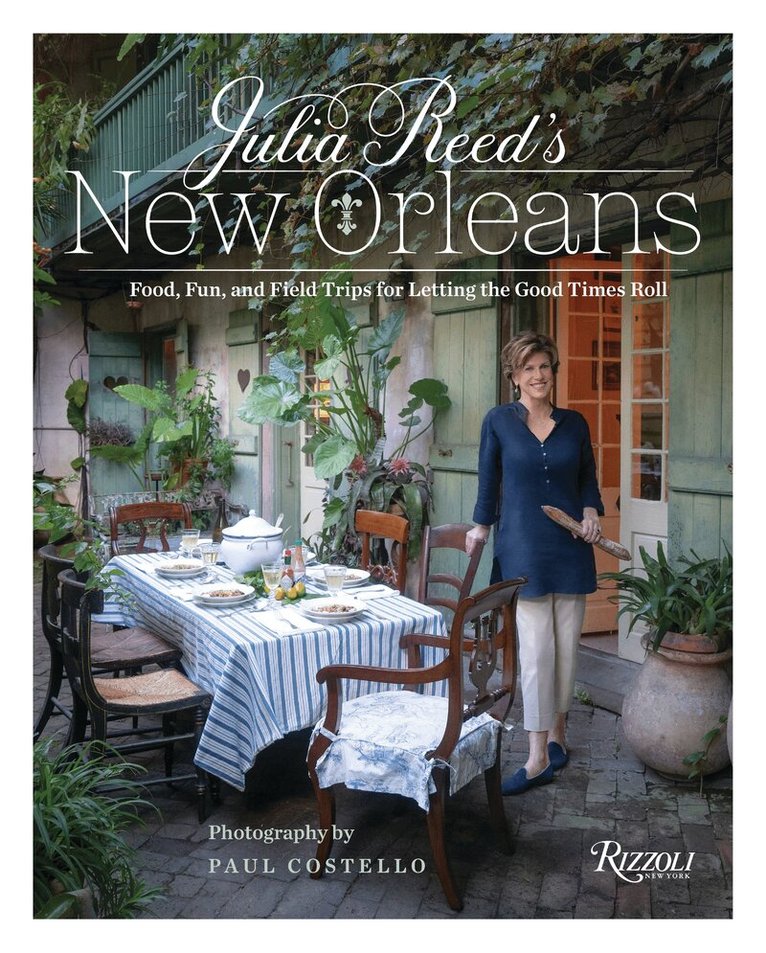
This follow-up to Julia s bestseller Julia Reed s South showcases her entertaining know-how and that of her noted chef friends and her love of New Orleans. Held in a variety of venues, from courtyards to gracious interior spaces, the gatherings menus include such dishes as grillades, grits, and seafood gumbo, and cocktails ranging from the traditional Sazerac to a Satsuma Margarita. Featured are an elegant holiday dinner, a crawfish boil, and a lunch under the live oaks. All are presented in luscious photographs and include tips on setting tables, arranging flowers, and crafting playlists to create a festive mood. Julia s introduction traces the evolution of New Orleans cuisine, from its Creole beginnings to the culinary contributions of other ethnic groups. Sidebars cover iconic watering holes and local specialties such as the po-boy and the muffuletta, as well as events ranging from Mardi Gras to raucous St. Patrick s Day. This enticing cookbook is the ultimate primer is for every party-giver and anyone interested in laissez bons temps roulez.
Häftad, Engelska, 1995
217 kr
Skickas inom 10-15 vardagar
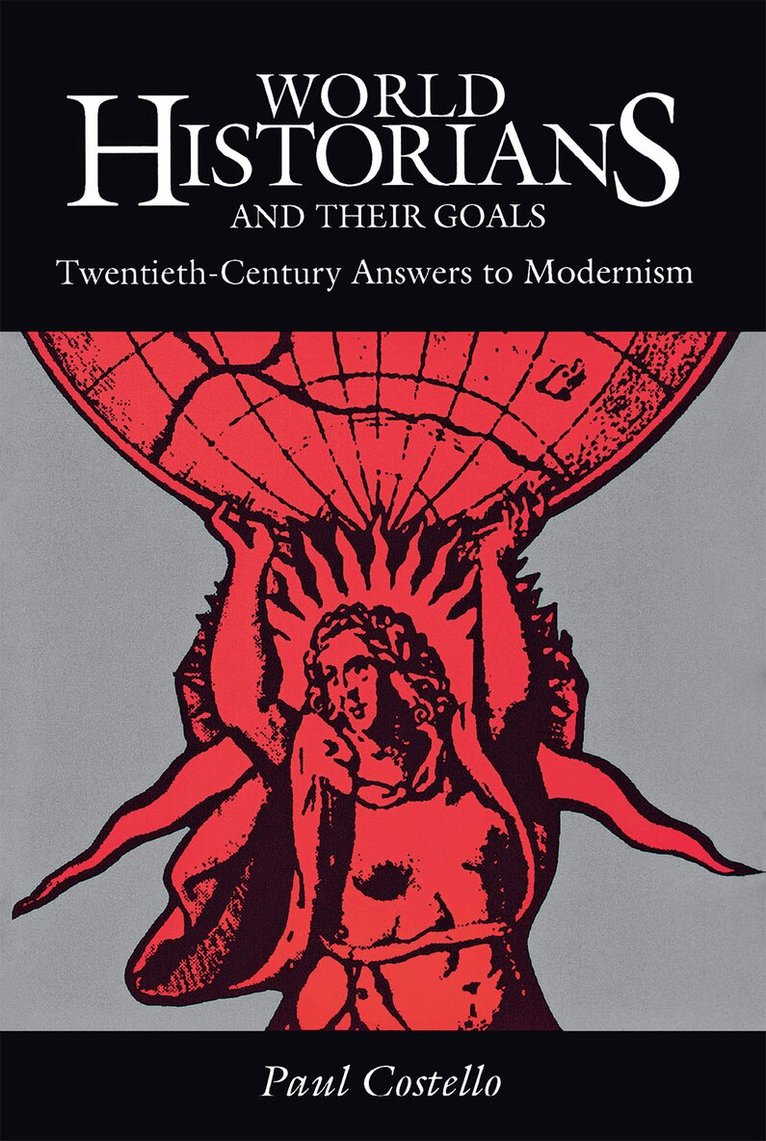
Costello analyzes paradigms of world history, focusing on seven twentieth-century historians, from H. G. Wells to William H. McNeill. He interprets central models of the history of civilizations as responses to modernism and as efforts to rescue meaningful patterns of history as a whole. Costello locates his study in the post-Nietzschean context, in which the "death of God" and modernism's threat to progressive ideology stimulated a perception of the crisis of Western civilization. He analyzes H. G. Wells's sense of "progress threatened," in which the catastrophic potentials of modernity demand a world state; the cyclical "decline of civilizations" theories of Oswald Spengler, Arnold J. Toynbee, Pitirim Sorokin, Christopher Dawson, and Lewis Mumford; and the ecological metahistory of William H. McNeill. These historians, Costello finds, develop a pattern of the past that incorporates a history of the future-a pattern that perpetuates those they perceive in their study of the rise and fall of civilizations. Costello describes a reciprocal process between the historians' analyses of the past and their personal visions of the future. Such visions, he suggests, present the historian with moral imperatives that demand action in line with the hidden ends of history. Each chapter includes a biographical sketch, a study of the intellectual influences on its subject's thought, an evaluation of his goals, and a brief review of relevant criticism. The various theories are examined in light of each historian's moral and philosophic intentions and polemical goals in writing.