Paul DiLeo – författare
Visar alla böcker från författaren Paul DiLeo. Handla med fri frakt och snabb leverans.
3 produkter
3 produkter
Häftad, Engelska, 2020
603 kr
Skickas inom 10-15 vardagar
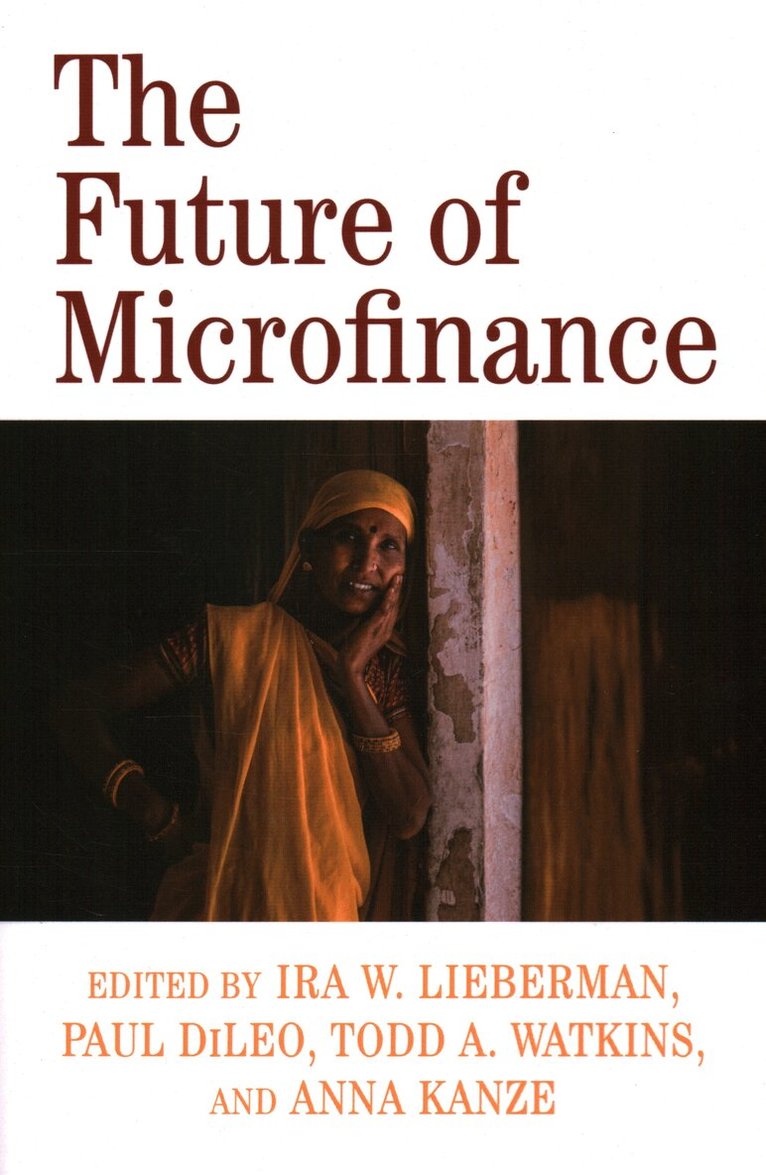
A major source of financing for the poor and no longer a niche industryOver the past four decades, microfinancethe provision of loans, savings, and insurance to small businesses and entrepreneurs shut out of traditional capital marketshas grown from a niche service in Bangladesh and a few other countries to a significant global source of financing. Some 200 million people globally now receive support from microfinance institutions, with most of the recipients in the developing world. In the beginning, much of the microfinance industry was managed by non-governmental organizations, but today the majority of these institutions are commercial and regulated by governments, and they provide safe places for the poor to save, as well as offering much-needed capital and other financial services.Now out of infancy, the microfinance industry faces major challenges, including its ability to deal with mobile banking and other technology and concerns that some markets are now over-saturated with microfinance. How the industry deals with these and other challenges will determine whether it will continue to grow or will be subsumed within the larger global financial sector.This book is based on the results of a workshop at Lehigh University among thirty-four leaders in the industry. The editors, working with contributions from more than a dozen leading authorities in the field, tell the important story of how microfinance developed, how it has met the needs of hundreds of millions of people, and they address key questions about how it can continue to meet those needs in the future.
E-bok
Engelska, 2020632 kr
Läs direkt efter köp
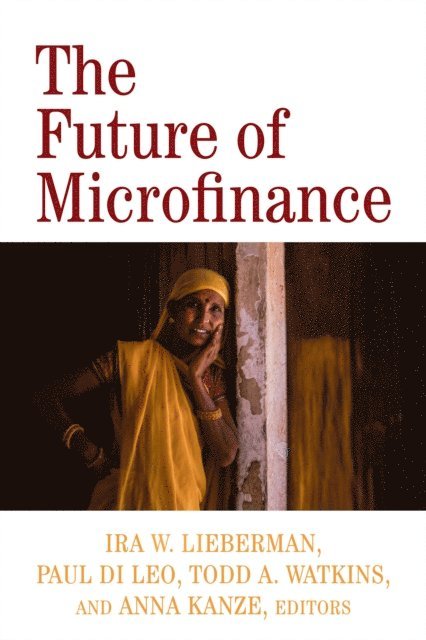
A major source of financing for the poor and no longer a niche industryOver the past four decades, microfinancethe provision of loans, savings, and insurance to small businesses and entrepreneurs shut out of traditional capital marketshas grown from a niche service in Bangladesh and a few other countries to a significant global source of financing. Some 200 million people globally now receive support from microfinance institutions, with most of the recipients in the developing world. In the beginning, much of the microfinance industry was managed by non-governmental organizations, but today the majority of these institutions are commercial and regulated by governments, and they provide safe places for the poor to save, as well as offering much-needed capital and other financial services.Now out of infancy, the microfinance industry faces major challenges, including its ability to deal with mobile banking and other technology and concerns that some markets are now over-saturated with microfinance. How the industry deals with these and other challenges will determine whether it will continue to grow or will be subsumed within the larger global financial sector.This book is based on the results of a workshop at Lehigh University among thirty-four leaders in the industry. The editors, working with contributions from more than a dozen leading authorities in the field, tell the important story of how microfinance developed, how it has met the needs of hundreds of millions of people, and they address key questions about how it can continue to meet those needs in the future.
E-bok
Engelska, 2022187 kr
Läs direkt efter köp
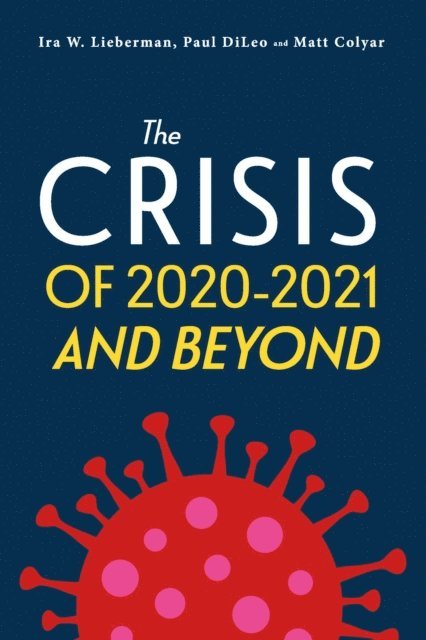
This book discusses twin crises --the Covid-19 pandemic and the associated global economic crisis. The book is presented in three sections. Section One discusses the Covid-19 crisis and its global impact. This section has five chapters: (i) a short history of pandemics; (ii) the global Covid-19 pandemic; (iii) the Covid-19 crisis in the US; (iv) the importance of vaccines in resolving the crisis; and, (v) two existential questions: How does the crisis end? Are we ready for the next pandemic? Section Two discusses the global economic impact of the crisis with a chapter on the crisis in the US, a chapter on the global economic impact of the crisis and chapter three on the role of microfinance in assisting the world's poor during the crisis. Section Three addresses spillover issues. All crises have tails this one has a long tail of issues such as long Covid, mental health problems, excess deaths, increasing poverty and growing economic inequality. Finally, the book seeks to answer two existential questions: how does this crisis end? Are we ready for the next crisis?