Paul H. Sugarbaker – Författare
Visar alla böcker från författaren Paul H. Sugarbaker. Handla med fri frakt och snabb leverans.
13 produkter
13 produkter
3 266 kr
Skickas inom 10-15 vardagar
Gastric cancer has been one of the great malignant scourges affecting man kind for as long as medical records have been kept. Until operative resection pioneered by Bilroth and others became available, no effective treatment was feasible and death from cancer was virtually inevitable. Even with resection by total gastrectomy, the chances of tumor eradication remained small. Over recent years, however, the situation has been changing. Some changes have resulted from better understanding of the disease, early detec tion, and better management techniques with applied clinical research, but the reasons for other changes are poorly understood. For example, the incidence of gastric cancer is decreasing, especially in westernized societies, where it has fallen from one of the most common cancers to no longer being in the top five causes of cancer death. Still it remains the number one killer of adult males in Japan and Korea. Whether the reduced incidence in western societies is a result of dietary changes or methods of food preservation, or some other reason, is as yet uncertain. Improvements in outcome have been reported from mass screening and early detection; more refined techniques of establishing early diagnosis, tumor type, and tumor extent; more radical surgical resection; and resection at earlier stages of disease.
3 266 kr
Skickas inom 10-15 vardagar
When one deals with cancer, the hepatobiliary malignancies present a challenge to the oncologist that can be best characterized as a series of unsolved clinical and biological dilemmas. Liver metastases from colorectal and other gastrointestinal malignancies, hepatocellular carcinoma, cholangiocarcinoma and gall bladder cancer present an array of problems but have two features in common; these are high moribidity and mortality with an overall poor result from treatment. Even though there are many reasons to be discouraged in the treatment of hepatobiliary cancer, there are some unique features that the liver presents which allow innovative treatment options. First, the liver is one of the few organs in the body that will regenerate over time. Patients who can be made disease free will usually return to a fully functional state despite the ablation of up to 80% of this organ. Secondly, the liver has an isolated vasculature. Intra-arterial infusion, portal venous infusion, and even isolated perfusion are not only possible but have been accomplished and been used in clinical trials.Third, this organ is extremely well characterized radiologically and the progress of treatments can be monitored with great accuracy. Tumour markers assist in this follow-up. Finally, this is an organ that can be transplanted with great success when there is benign disease. If one could control small volume systemic malignancy outside of the liver, transplantation would offer a curative approach in a large majority of patients. The book presents both the credits and debits that one must encounter in dealing with hepatobiliary cancer. The traditional discouragement is blended with opportunity so that the oncologist finds himself wishing to know more and in knowing more to do more in the treatment of hepatobiliary cancer.
2 180 kr
Skickas inom 10-15 vardagar
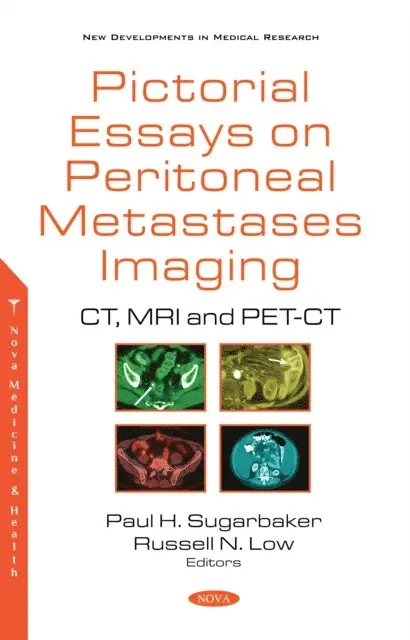
The pharmacology that has been observed with the intraperitoneal administration of chemotherapy has generated considerable interest. The pharmacology of the drugs most likely to be employed as agents for intraperitoneal chemotherapy are presented in this book. Progress in peritoneal carcinomatosis has been slow in the past because clinicians attempted to accomplish the impossible. Advanced disease was treated with intraperitoneal chemotherapy or immunotherapy. Heterogeneous responses were seen, but complete eradication of disease was impossible. No treatments described to date can penetrate deeply enough into established tumour modules to confer lasting benefit. To make matters worse, the chemotherapy was almost always used in an abdomen or pelvis that had been treated by prior surgery. Scar tissue makes uniform distribution of chemotherapy impossible. These two conditions meant that patients showed little long-term benefit. This volume aims to stimulate work in this field, conferring benefits in terms of quality of life and survival on cancer patients.
3 266 kr
Skickas inom 10-15 vardagar
The dissemination of cancer on peritoneal surfaces has hitherto been regarded as a terminal condition. Only a few patients with ovarian cancer - a disease where there is extreme drug sensitivity - have been maintained in a disease-free state over the long term. The tumour biology questions are as follows: is the dissemination of cancer on peritoneal surfaces to be regarded as finite spread of malignancy, or as evidence of systematic disease? Is peritoneal carcinomatosis in selected patients a limited process that can be treated for cure, using surgery and chemotherapy? Can treatments lead to a complete resolution of the cancerous process? Most oncologists would regard peritoneal carcinomatosis as a condition that can only be palliated. This volume presents the principles that support aggressive management plans with disease eradication as an end point. Technologies have emerged, bringing about this conceptual change in thinking. They have been developed for complete chemotherapeutic treatment of all peritoneal surfaces. Technologies have been developed for uncovering minute foci of disease in remote portions of the abdomen.Also, surgical and electrosurgical techniques are important aspects of this revised management plan. Even the data management tools required to quantitate improvements in treatment have been developed, and are presented here.
3 266 kr
Skickas inom 10-15 vardagar
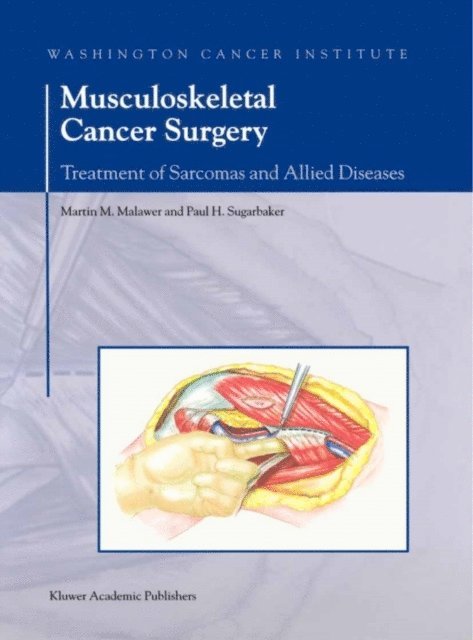
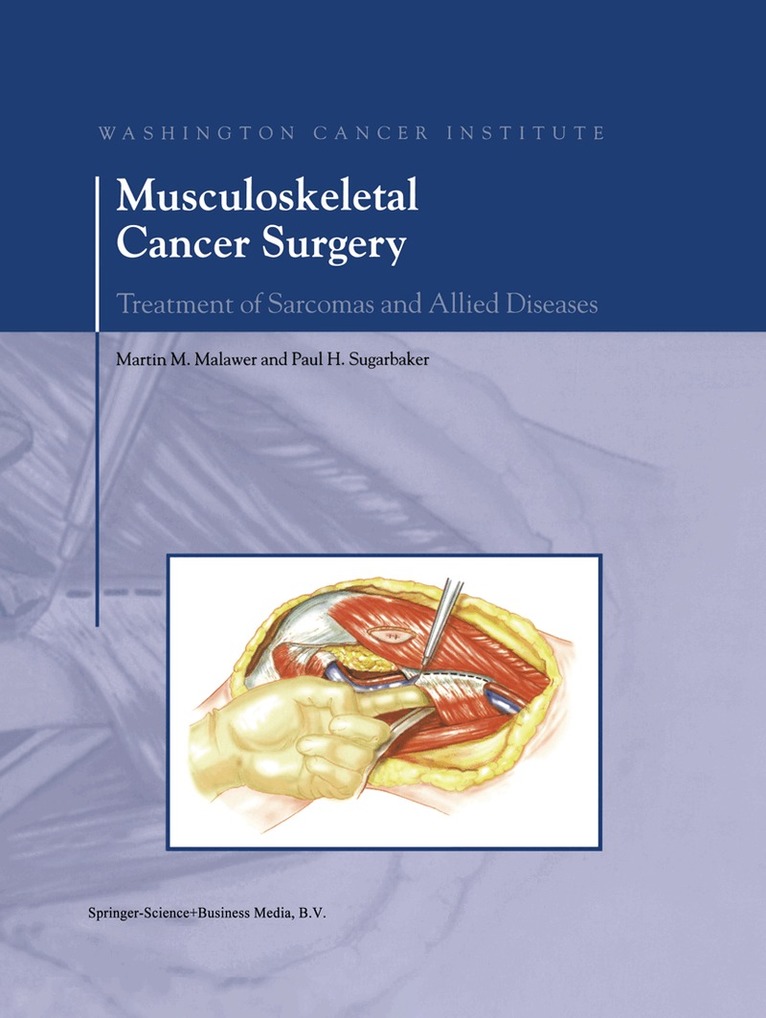
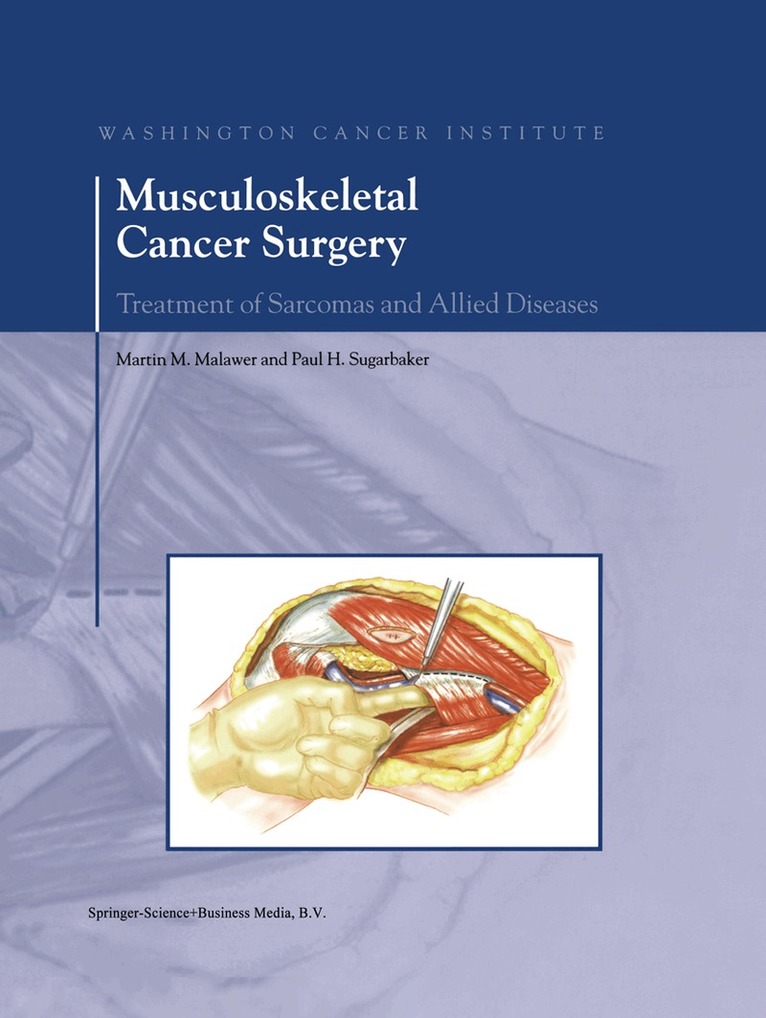
This is text describes and illustrates limb-sparing surgical procedures in lieu of amputations for bone and soft-tissue tumours of the extremities, shoulder and pelvic girdle, and trunk and abdomen. Many of the procedures described in this text were developed by the authors, Drs. Malawer and Sugarbaker, who have a combined surgical experience of over 50 years. This text has over 400 colour illustrations and schematics drawings, in addition to imaging studies and full colour intra-operative and clinical photographs. The techniques described represent the state-of-the-art in the treatment of adult and pediatric bone and soft-tissue sarcomas. Until the last decade of the 20th century, almost all were routinely treated by amputation, whereas today amputation is required in less than 5 per cent of all cases. This textbook provides step-by-step guidance to surgeons performing surgery for musculoskeletal tumours. Its contents are the result of combined surgical, clinical, and research interests and efforts.
2 180 kr
Skickas inom 10-15 vardagar
Peritoneal carcinomatosis dominates the clinical picture of many patients with gastrointestinal, gynecological and urological cancers. For many of them its dev astating effects contribute directly to their death. Most clinicians consider peritoneal carcinomatosis an incurable metastatic disease and give palliative treatment, re stricted to limited surgery and systemic chemotherapy. Contrary to this view, Paul Sugarbaker and his collegues base their approach on the concept that peritoneal carcinomatosis represents regional tumor spread, similar in its impact on treatment and prognosis to that of lymph node metastases in other malignancies. This concept emphasises the value of regional tumor control, as a potentially curative measure. In this book the combination of aggressive cytoreduction and intraperitoneal chemotherapy to control peritoneal carcinomatosis is extensively explored. Basic to this approach is the observation that most cancer cells show only relative resistence against commonly available drugs, which can be overcome by a sufficient increase of drug concentrations in tumor tissue. After intraperitoneal delivery, drugs will reach high tissue concentrations in the superficial few cell layers, while plasma concentrations will remain below toxic levels. Patients with only limited residual tumor at the peritoneal surface after cytoreduction may therefore benefit from intraperitoneal chemotherapy.
3 266 kr
Skickas inom 10-15 vardagar
Paul Sugarbaker and his colleagues have persevered in the study and treat ment of peritoneal carcinomatosis. The peritoneal cavity has many unique and incompletely appreciated properties. These properties, coupled with the biologic behavior of many cancers, results in the seeding and growth of these cancers on the peritoneum. Many of these cancers remain localized to the peritoneum only, never metastasizing to other sites. One possible reason for this may be the obstruction of the afferent lymphatics on the undersurface of the diaphragm. The mucopolysaccharides produced by many of these neoplasma are probably viscous enough to obstruct these lymphatics, leading to the syndrome of pseudomyxoma peritonei. Many of the neoplasms taking residence on the peritoneum have extremely long cell-cycle times and are resistant to radiotherapy and many chemotherapeutic agents. How ever, much can be done for these patients - resection of primary cancers, omentectomies to reduce ascites formation, management of recurrent ascites, management of intestinal obstruction, nutritional care, and, hopefully, intraperitoneal chemotherapy. We have reviewed many of these problems in the past [1-7]. Dr. Sugarbaker and his colleagues have organized the current state of knowledge and technology for continuing use. The book provides a basis for thoughtful, prospective research planning. John S. Spratt, M. D. , F. A. C. S. Professor of Surgery The James Graham Brown Cancer Center University of Louisville Louisville, Kentucky References 1. Long RTL, Spratt JS, Dowling E.
3 266 kr
Skickas inom 10-15 vardagar
When one deals with cancer, the hepatobiliary malignancies present a chal lenge to the oncologists that can be characterized as a series of unsolved clinical and biological dilemmas. Liver metastases from colorectal and other gastrointestinal malignancies, hepatocellular carcinoma, cholangiocar cinoma, and gall bladder cancer present an array of problems but have two features in common. These are high morbidity and mortality with an overall poor result from treatment. Why is it that hepatobiliary cancer carries with it such a dismal prognosis? First of all, these diseases present, for the most part, in an advanced state. To this point in time the oncologist has had no help from early diagnosis or screening. Only the occasional patient followed by ultrasound or a tumor marker has the disease diagnosed in an asymptomatic state. By the time these diseases become symptomatic, curative treatment options have usually disappeared. Evolution has placed the liver in a protected position in order to avoid injury to the soft parenchyma. As with many other internal organs, the nerve supply is extremely limited. These two anatomic features result in a great lack of early warning signs of cancer.
3 266 kr
Skickas inom 10-15 vardagar
Gastric cancer has been one of the great malignant scourges affecting man kind for as long as medical records have been kept. Until operative resection pioneered by Bilroth and others became available, no effective treatment was feasible and death from cancer was virtually inevitable. Even with resection by total gastrectomy, the chances of tumor eradication remained small. Over recent years, however, the situation has been changing. Some changes have resulted from better understanding of the disease, early detec tion, and better management techniques with applied clinical research, but the reasons for other changes are poorly understood. For example, the incidence of gastric cancer is decreasing, especially in westernized societies, where it has fallen from one of the most common cancers to no longer being in the top five causes of cancer death. Still it remains the number one killer of adult males in Japan and Korea. Whether the reduced incidence in western societies is a result of dietary changes or methods of food preservation, or some other reason, is as yet uncertain. Improvements in outcome have been reported from mass screening and early detection; more refined techniques of establishing early diagnosis, tumor type, and tumor extent; more radical surgical resection; and resection at earlier stages of disease.
Peritoneal Tumors and Metastases
Surgical, intraperitoneal and systemic therapy
Inbunden, Engelska, 2021
2 397 kr
Skickas inom 10-15 vardagar
This book provides surgeons and oncologists with a well-founded and detailed overview of the available treatment options for peritoneal malignancy and differential selection of the appropriate forms of therapy. Systemic chemotherapy options are also considered, as are surgical cytoreduction (CRS) and all forms of intraperitoneal chemotherapy (IPC) especially hyperthermic IPC (HIPEC), and immunotherapy, including specific procedures such as PIPAC.Subsequent chapters address perioperative care, complications and recurrences, as well as psycho-oncological, palliative medical and nursing care. The process of parietal and visceral peritonectomy in the large and small intestine is additionally illustrated by three video clips accessible online. Covering a broad range of aspects, including peritoneal metastasis and intraperitoneal chemotherapy, the book offers a valuable tool for surgeons, oncologists and anesthesiologists alike.
Peritoneal Tumors and Metastases
Surgical, intraperitoneal and systemic therapy
Häftad, Engelska, 2022
1 745 kr
Skickas inom 10-15 vardagar
This book provides surgeons and oncologists with a well-founded and detailed overview of the available treatment options for peritoneal malignancy and differential selection of the appropriate forms of therapy. Systemic chemotherapy options are also considered, as are surgical cytoreduction (CRS) and all forms of intraperitoneal chemotherapy (IPC) especially hyperthermic IPC (HIPEC), and immunotherapy, including specific procedures such as PIPAC.Subsequent chapters address perioperative care, complications and recurrences, as well as psycho-oncological, palliative medical and nursing care. The process of parietal and visceral peritonectomy in the large and small intestine is additionally illustrated by three video clips accessible online. Covering a broad range of aspects, including peritoneal metastasis and intraperitoneal chemotherapy, the book offers a valuable tool for surgeons, oncologists and anesthesiologists alike.
Del 24 - Developments in Oncology
Liver Metastasis
Basic aspects, detection and management
Häftad, Engelska, 2012
550 kr
Skickas inom 10-15 vardagar
B. CADY Hepatic met,,'~tasl~S present one of the major therapeutic challenges of cancer patien: management, for it is the destruction of vital organ function that makes cancer fatal, not local tumor growth. The process of tumor cell dislodgement from the primary cancer, their spread through the lymphatic and hematogenous channels, their lodgement in distant sites, and their subsequent progressive growth tax our comprehension a'ld i. -ustrate our therapies. The proceedings of this International Con,t ss on Hepatic Metastasis address these aspects of metastases to t:'. >2 _ . ver, and predominatly focus on metastatic colon cancer because of t ~. s frequency, its prominent hepatic only pattern of spread, and enticing preliminary data about prevention and control of small sub . '(ts of the afflicted population. Predictably, the "false technologies" of Dr. Lewis Thomas that involve surgical, radiotherapeutic and chemo therapeutic attack on these metastases after elaborate diagnostic studies take precedence because of the clinical imperatives of sick patients. This is displayed in the preponderance of papers and in terest in various diagnostic scanning techniques by means of radio isotopes, radiographically useful dyes, biochemical markers, interest in developing accurate staging systems to categorize patients for therapeutic comparisons, and interest in elaborate, and expensive, technology to increase the effectiveness of chemotherap~utic agents that are of limited benefit with simple intravenous administration. Behind this clinical enthusiasm, however, lies the research to develop the "true technology," in Thomas' words, that will prevent such clinical catastrophies as hepatic metastases.
3 205 kr
Skickas inom 5-8 vardagar
Steven A. Rosenberg, MD In the past two decades significant progress has quality of life. The use of local radiation therapy has occurred, in the management of patients with mus- had a profound impact on the ability to achieve local loskeletal cancers, that has improved both the survival control. Cooperation between surgeons and radiation and the quality of life of afflicted patients. Changes in therapists often results in the tailoring of surgical p- the management of these patients have mirrored cedures to maximize the combined application of these trends in the entire field of oncology. two effective treatment modalities. Although impact on The most significant change has been improvement overall survival has not been demonstrated due to the in the surgical techniques for the resection of musculo- addition of radiation therapy, important advances in skeletal cancers based on a detailed understanding of improving the quality of life of patients receiving this the anatomic features of each particular tumor site, as combined-modality treatment have been evident. well as an appreciation of the natural biology that affects A third change impacting on the survival of patients the local spread of these tumors. The current volume of with musculoskeletal cancers has been the aggressive Musculoskeletal Cancer Surgery: Treatment of Sarcomas and resection of metastatic deposits.