Paul Haddad – författare
Visar alla böcker från författaren Paul Haddad. Handla med fri frakt och snabb leverans.
10 produkter
Skinny White Freak
Av Paul Haddad
E-bok, 2016
66 kr
Lägg i varukorg
Los Angeles, 1978. Skateboarding and tanned bods rule the SoCal landscape. Compared to his groovy peers, 13-year-old Adam Lipsitz is an outcast. He is too skinny, too pale, too brainy. To make matters worse, just as his parents are separating, he’s cast off to Kamp Kickapoo, where he faces the …
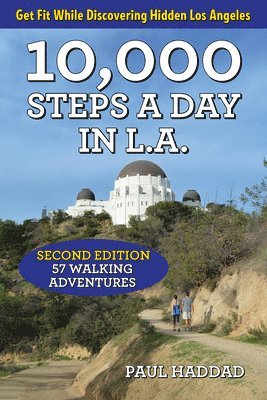
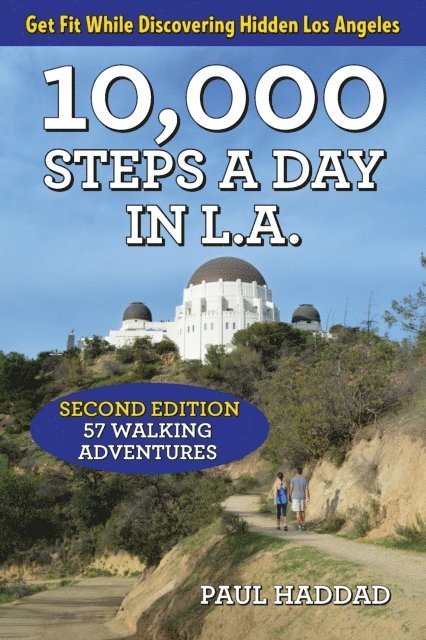
10,000 Steps a Day in L.A.
57 Walking Adventures
Av Paul Haddad
Häftad, 2020
185 kr
Lägg i varukorg
LOS ANGELES TIMES BESTSELLERUpdated and Expanded Second Edition Features Six New Walking Adventures!10,000 Steps a Day in L.A. is for urban adventurers with a passion for healthy living who are also eager to explore Los Angeles—from its most legendary locations to its more hidden, unsung, and …
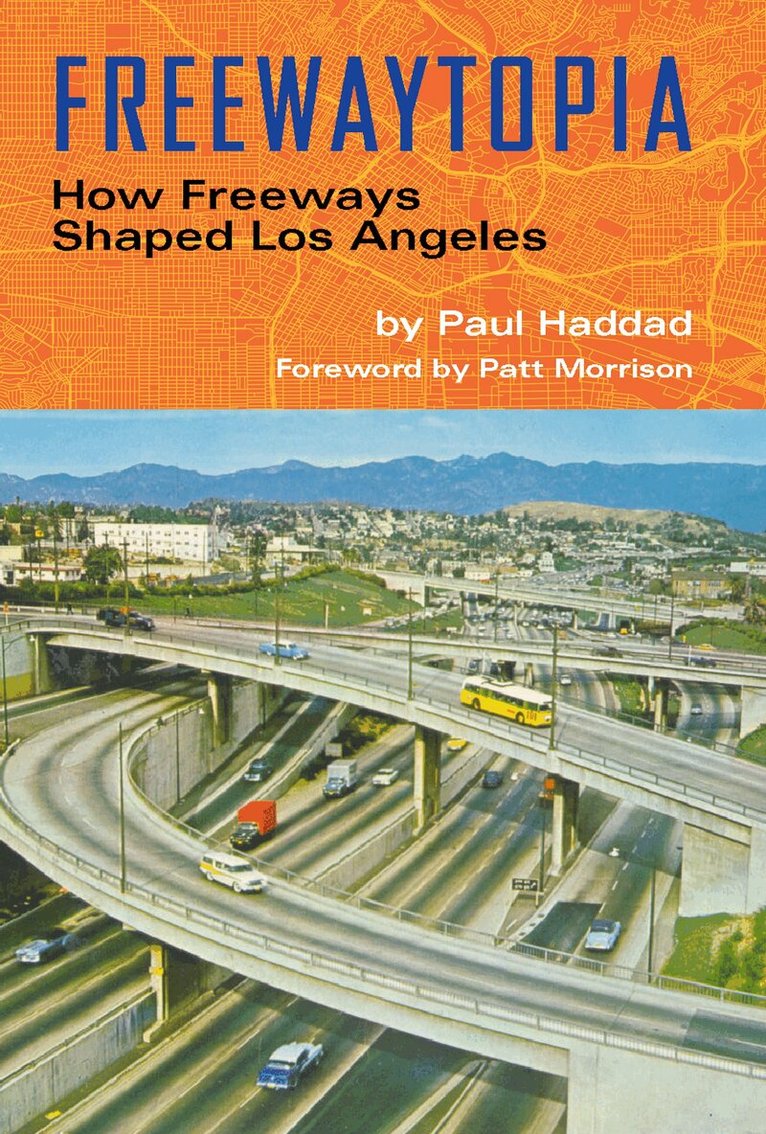
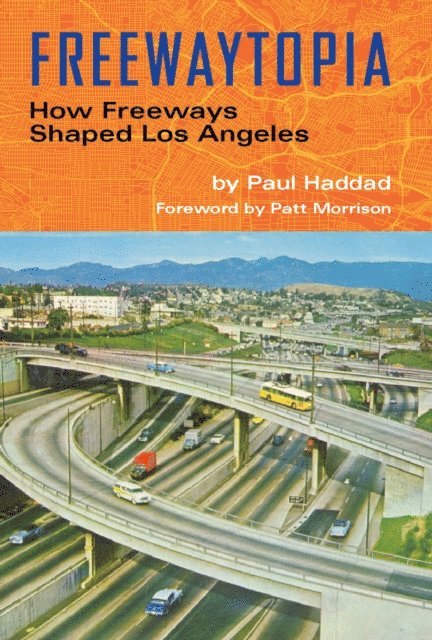
Freewaytopia: How Freeways Shaped Los Angeles
Av Paul Haddad
Häftad, 2021
206 kr
Lägg i varukorg
Freewaytopia: How Freeways Shaped Los Angeles explores how social, economic, political, and cultural demands created the web of freeways whose very form—futuristic, majestic, and progressive—perfectly exemplifies the City of Angels.From the Arroyo Seco Parkway, which began construction during the …
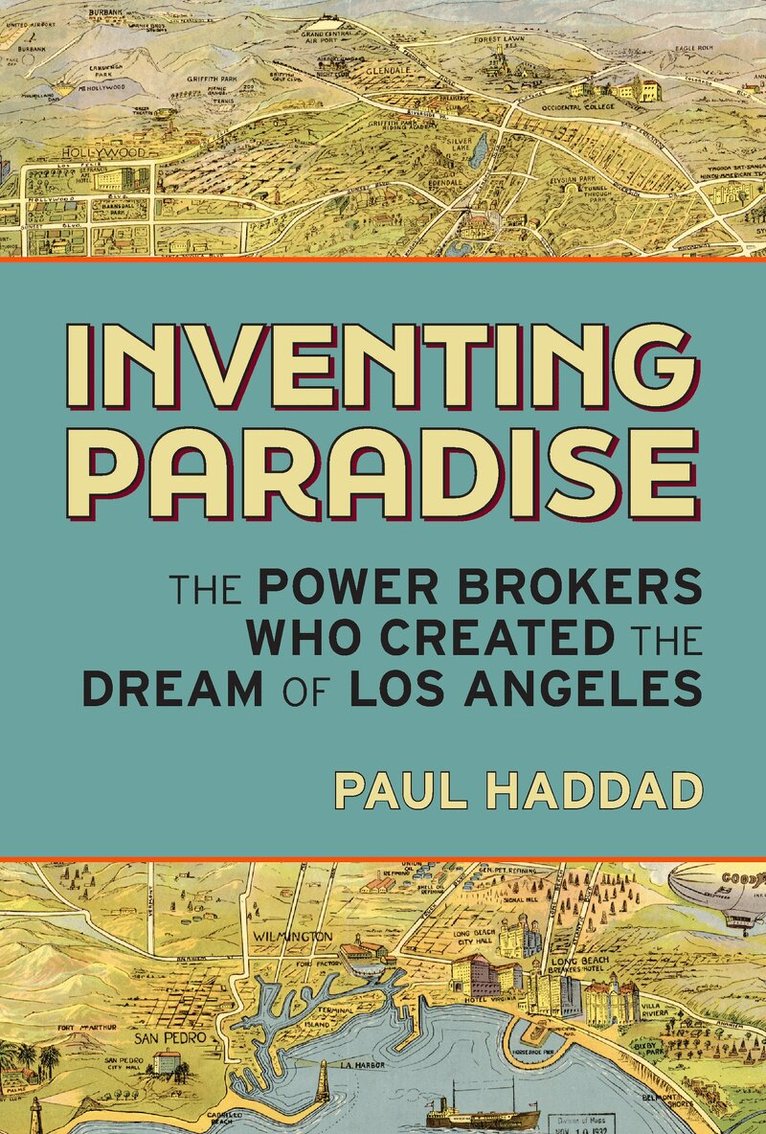
Inventing Paradise
The Power Brokers Who Created, Bought, and Sold the Dream of Los Angeles
Av Paul Haddad
Inbunden, 2024
277 kr
Lägg i varukorg
Inventing Paradise: The Power Brokers Who Created the Dream of Los Angeles traces the improbable rise of Los Angeles through the prism of six visionaries who had outsize influence on the city’s growth: Phineas Banning, Harrison Gray Otis, Henry Huntington, Harry Chandler, William Mulholland, and …
Inventing Paradise
The Power Brokers Who Created the Dream of Los Angeles
Av Paul Haddad
E-bok, 2024
280 kr
Lägg i varukorg
Inventing Paradise: The Power Brokers Who Created the Dream of Los Angeles traces the improbable rise of Los Angeles through the prism of six visionaries who had outsize influence on the city’s growth: Phineas Banning, Harrison Gray Otis, Henry Huntington, Harry Chandler, William Mulholland, and …
Freewaytopia: How Freeways Shaped Los Angeles
Av Paul Haddad
E-bok, 2021
218 kr
Lägg i varukorg
Freewaytopia: How Freeways Shaped Los Angeles explores how social, economic, political, and cultural demands created the web of expressways whose very form—futuristic, majestic, and progressive—perfectly exemplifies the City of Angels. From the Arroyo Seco, which began construction during the Great …
10,000 Steps a Day in L.A.
57 Walking Adventures
Av Paul Haddad
E-bok, 2020
190 kr
Lägg i varukorg
LOS ANGELES TIMES BESTSELLER Updated and Expanded Second Edition Features Six New Walking Adventures! 10,000 Steps a Day in L.A. is for urban adventurers with a passion for healthy living who are also eager to explore Los Angeles―from its most legendary locations to its more hidden, unsung, and …
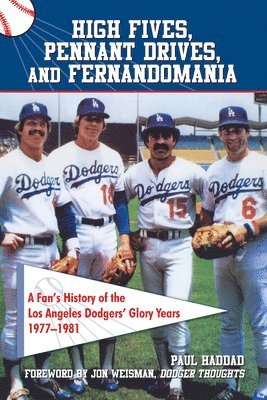
High Fives, Pennant Drives, And Fernandomania
A Fan's History of the Los Angeles Dodgers' Glory Years
Av Paul Haddad
Häftad, 2012
176 kr
Tillfälligt slut
High Fives, Pennant Drives, and Fernandomania is essential reading for Dodger fans and baseball buffs alike. It is a first-person account of Dodger history when the team was at its peak of success, winning three pennants in five years. The retelling of those seasons includes transcripts of radio …