Paul McPherron – författare
1 157 kr
Skickas inom 10-15 vardagar
1 477 kr
Läs direkt efter köp
457 kr
Skickas inom 10-15 vardagar
481 kr
Läs direkt efter köp
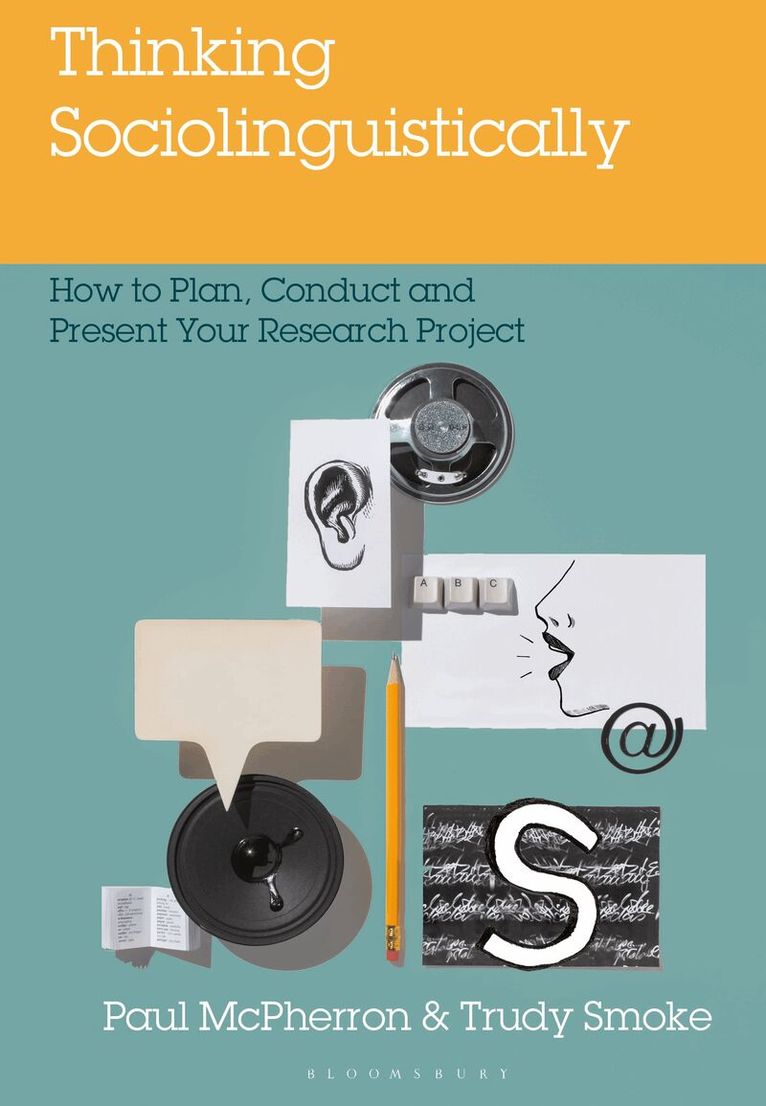
This is a practical guide to planning, conducting and presenting a sociolinguistic research project. Written in an accessible and engaging style, the book begins with a brief review of what sociolinguists study and how they study it, before guiding students step-by-step through the research process. It presents a range of qualitative and quantitative data collection and analysis methods, including surveys, interviews and corpora, supported by examples from both published researchers and student projects. Drawing on the experiences of their own students, the authors provide supportive guidance on common areas of difficulty, such as framing questions, selecting participants and interpreting data. The final part shows you how to organise and write up your findings. Chapters are further enriched with hands-on activities and discussion questions.
This is an essential companion for budding sociolinguistic researchers with a desire to understand the linguistic landscapes aroundthem and communicate their findings to others.481 kr
Läs direkt efter köp
1 175 kr
Skickas inom 5-8 vardagar
1 183 kr
Läs direkt efter köp
This edited book addresses ways in which ''bodies'' conceived broadly – get languaged, and ways in which ideas of ''normalcy'' and ''normal'' bodies are held in place and reproduced. The articles show how it is through this medium that people with ailments or ''unusual'' bodies get positioned and slotted in certain ways. The present volume represents a departure from other works in at least two ways. First, it brings in discourses around bodies per se into language-related research, a realm that previous research has not directly engaged. Second, it ushers in discussions about bodies by critically addressing the language by which experiences around bodily breakdowns and ailments occur. Calling attention to a host of discourses – biomedical, societal, poststructuralist – and drawing on a variety of disciplinary perspectives, critical theories, ethnographically gathered materials, and extant data, the chapters pierce the general veil of silence that we have collectively drawn regarding how some of our most intimate body (dis)functions impact our everyday living and sense of "normalcy".