
Paul Sau Leung Yip – författare
Visar alla böcker från författaren . Handla med fri frakt och snabb leverans.
4 produkter
4 produkter
Inbunden, Engelska, 2008
1 250 kr
Skickas inom 5-8 vardagar
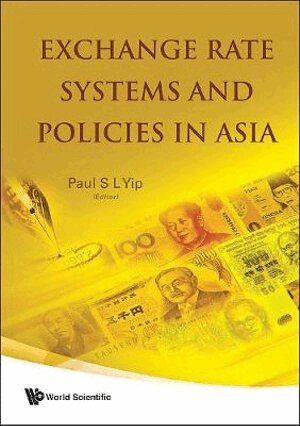
This important book comprises insightful papers on lessons learned from some major exchange rate and monetary experiences in Asia, exchange rate crisis management in Asia and choice of exchange rate systems in Asia. Originally published in the Singapore Economic Review, Vol. 52, No. 3, 2007, it deals primarily with the exchange rate systems and policies in the three largest economies in Asia: China, Japan and India. It also contains a paper on Singapore's exchange rate system, whose success could make it a role model for other small open economies. Notable contributors include Ronald McKinnon and John Williamson, among others. The editor is the original designer of China's latest exchange rate system reform.
Inbunden, Engelska, 2011
1 608 kr
Skickas inom 5-8 vardagar
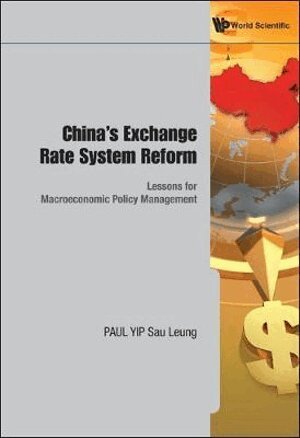
The author of this book is the original proponent of China's exchange rate system reform announced in 2005. This book discusses:Through these discussions, the author hopes to share his knowledge on macroeconomic policy management accumulated over the past thirty five years. In particular, he would like to share his insights on macroeconomic policy management before, during and after an asset inflation era or a crisis period. He would also like to warn policy makers and financial investors on the likelihood of an asset bubble and then a crisis in economies outside the US. The author hopes this book could eventually stimulate the emergence of “macroeconomic policy management” as a new and important discipline in economics.While the focus of the book is on macroeconomic policy management, it also offers important lessons and strategies on share and property investments. Thus, economists, policy makers, central bank officials, economics students, business and finance professionals, individual investors and academia in other disciplines will find the book useful.
Inbunden, Engelska, 2019
1 441 kr
Skickas inom 3-6 vardagar
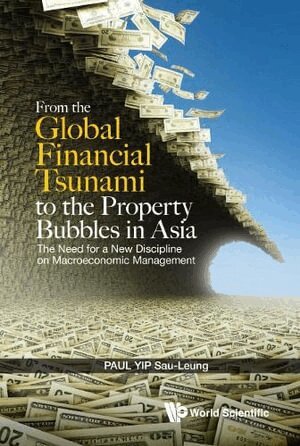
This book discusses the formation of the current huge property bubbles in many Asian economies and the high likelihood of another Asian financial crisis due to the eventual bursting of these property bubbles. In particular, it explains:In view of the huge costs due to the macroeconomic policy mistakes in many developing economies and some advanced economies, this book recommends the development of a new economic discipline on macroeconomic management and rigorous selection procedures of key economic and monetary officials. If properly done, these would help pre-empt financial crises, currency crises and asset bubbles in the future.
Häftad, Engelska, 2011
883 kr
Tillfälligt slut
The author of this book is the original proponent of China's exchange rate system reform announced in 2005. This book discusses:Through these discussions, the author hopes to share his knowledge on macroeconomic policy management accumulated over the past thirty five years. In particular, he would like to share his insights on macroeconomic policy management before, during and after an asset inflation era or a crisis period. He would also like to warn policy makers and financial investors on the likelihood of an asset bubble and then a crisis in economies outside the US. The author hopes this book could eventually stimulate the emergence of “macroeconomic policy management” as a new and important discipline in economics.While the focus of the book is on macroeconomic policy management, it also offers important lessons and strategies on share and property investments. Thus, economists, policy makers, central bank officials, economics students, business and finance professionals, individual investors and academia in other disciplines will find the book useful.