Pauline Wakeham – författare
Visar alla böcker från författaren Pauline Wakeham. Handla med fri frakt och snabb leverans.
4 produkter
4 produkter
494 kr
Skickas inom 5-8 vardagar
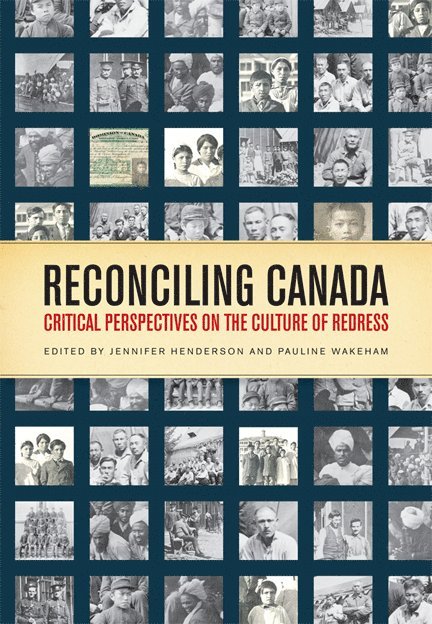
Truth and reconciliation commissions and official governmental apologies continue to surface worldwide as mechanisms for coming to terms with human rights violations and social atrocities. As the first scholarly collection to explore the intersections and differences between a range of redress cases that have emerged in Canada in recent decades, Reconciling Canada provides readers with the contexts for understanding the phenomenon of reconciliation as it has played out in this multicultural settler state.In this volume, leading scholars in the humanities and social sciences relate contemporary political and social efforts to redress wrongs to the fraught history of government relations with Aboriginal and diasporic populations. The contributors offer ground-breaking perspectives on Canada’s ‘culture of redress,’ broaching questions of law and constitutional change, political coalitions, commemoration, testimony, and literatures of injury and its aftermath. Also assembled together for the first time is a collection of primary documents – including government reports, parliamentary debates, and redress movement statements – prefaced with contextual information. Reconciling Canada provides a vital and immensely relevant illumination of the dynamics of reconciliation, apology, and redress in contemporary Canada.
993 kr
Skickas inom 5-8 vardagar
Truth and reconciliation commissions and official governmental apologies continue to surface worldwide as mechanisms for coming to terms with human rights violations and social atrocities. As the first scholarly collection to explore the intersections and differences between a range of redress cases that have emerged in Canada in recent decades, Reconciling Canada provides readers with the contexts for understanding the phenomenon of reconciliation as it has played out in this multicultural settler state.In this volume, leading scholars in the humanities and social sciences relate contemporary political and social efforts to redress wrongs to the fraught history of government relations with Aboriginal and diasporic populations. The contributors offer ground-breaking perspectives on Canada’s ‘culture of redress,’ broaching questions of law and constitutional change, political coalitions, commemoration, testimony, and literatures of injury and its aftermath. Also assembled together for the first time is a collection of primary documents – including government reports, parliamentary debates, and redress movement statements – prefaced with contextual information. Reconciling Canada provides a vital and immensely relevant illumination of the dynamics of reconciliation, apology, and redress in contemporary Canada.
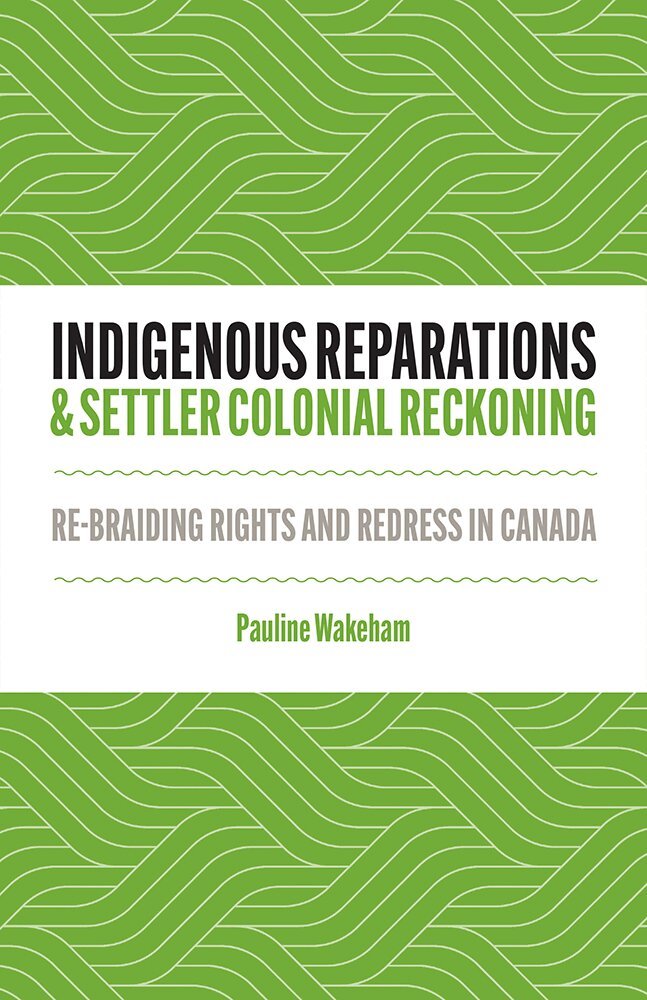
Indigenous Reparations and Settler Colonial Reckoning
Re-Braiding Rights and Redress in Canada
Inbunden, Engelska, 2026
1 340 kr
Kommande
How Indigenous communities are transforming the idea and practice of reparations through their laws and leadershipIn recent decades, a growing number of Indigenous groups across Canada have initiated movements for colonial reparations. Too often, the settler state has responded by attempting to enfold their work into a narrative of reconciliation that consigns colonialism to "sad chapters" of history. In this book, Pauline Wakeham calls attention to the ways that Indigenous reparations movements exceed state reconciliatory frameworks and prompt a deeper reckoning with the enduring structures of settler colonialism.To expose and redress colonial injustices, Indigenous reparations movements draw upon long local traditions of political organizing as well as transformations on the global stage since World War II. As international law formulated new instruments regarding gross human rights violations, atrocity crimes, and the reparative obligations of states, colonized peoples across the world have sought to mobilize these mechanisms in their struggles for decolonization and reparations. While international law has provided strategic tools for this work, the colonial foundations of the field continue to limit how it conceptualizes and shapes access to justice. Indigenous Reparations and Settler Colonial Reckoning traces the specific implications for Indigenous nations whose land is occupied by settler states—nations whose legal orders remain subordinated to both settler "domestic" and international legal systems.Amid this complex multijurisdictional terrain, how are Indigenous peoples carving out space to articulate their own visions of justice? To answer this question, Wakeham learns from the Inuit-led Qikiqtani Truth Commission as well as reparations movements for residential schools and the High Arctic Relocations of 1953 and 1955. These movements offer powerful lessons about the importance of centering Indigenous leadership and laws in redress processes, thereby connecting reparations to the living enactment of Indigenous rights.Retail e-book files for this title are screen-reader friendly with images accompanied by short alt text and/or extended descriptions.
Indigenous Reparations and Settler Colonial Reckoning
Re-Braiding Rights and Redress in Canada
Häftad, Engelska, 2026
304 kr
Kommande
How Indigenous communities are transforming the idea and practice of reparations through their laws and leadershipIn recent decades, a growing number of Indigenous groups across Canada have initiated movements for colonial reparations. Too often, the settler state has responded by attempting to enfold their work into a narrative of reconciliation that consigns colonialism to "sad chapters" of history. In this book, Pauline Wakeham calls attention to the ways that Indigenous reparations movements exceed state reconciliatory frameworks and prompt a deeper reckoning with the enduring structures of settler colonialism.To expose and redress colonial injustices, Indigenous reparations movements draw upon long local traditions of political organizing as well as transformations on the global stage since World War II. As international law formulated new instruments regarding gross human rights violations, atrocity crimes, and the reparative obligations of states, colonized peoples across the world have sought to mobilize these mechanisms in their struggles for decolonization and reparations. While international law has provided strategic tools for this work, the colonial foundations of the field continue to limit how it conceptualizes and shapes access to justice. Indigenous Reparations and Settler Colonial Reckoning traces the specific implications for Indigenous nations whose land is occupied by settler states—nations whose legal orders remain subordinated to both settler "domestic" and international legal systems.Amid this complex multijurisdictional terrain, how are Indigenous peoples carving out space to articulate their own visions of justice? To answer this question, Wakeham learns from the Inuit-led Qikiqtani Truth Commission as well as reparations movements for residential schools and the High Arctic Relocations of 1953 and 1955. These movements offer powerful lessons about the importance of centering Indigenous leadership and laws in redress processes, thereby connecting reparations to the living enactment of Indigenous rights.Retail e-book files for this title are screen-reader friendly with images accompanied by short alt text and/or extended descriptions.