
Pavlovich Kondakov Nikodim Pavlovich Kondakov – författare
Visar alla böcker från författaren . Handla med fri frakt och snabb leverans.
6 produkter
6 produkter
E-bok
PDF, Tyska, 2012190 kr
Läs direkt efter köp
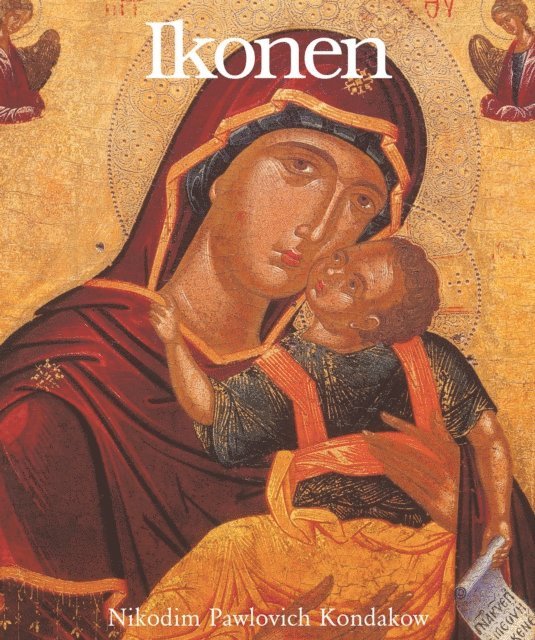
Ikonen waren zunächst im Wesentlichen byzantinisch und späterrussisch. Dennoch wussten auch die Christen des Orients,insbesondere die der Balkanstaaten und der Ukraine, darin eineneue Annäherung an ihren Glauben zu finden.So entsprachen die ersten ukrainischen Ikonen den Richtlinien desorthodoxen Glaubens, um erst später in eine speziellere Kunstüberzugehen.Ab dem 14. Jahrhundert war die Inspiration mehr römischen alsbyzantinischen Ursprungs und enthüllte einen starken Einfluss derslawischen Seele.Obwohl sie die Vorwerke der abendländischen Kunst aufnahm,bewahrte die Epoche des Barock davon nicht wenigeBesonderheiten. Dieses Werk stellt die repräsentativsten Ikonenvom 9. Jahrhundert bis zum Ende des Barock vor.
E-bok
PDF, Franska, 2012190 kr
Läs direkt efter köp
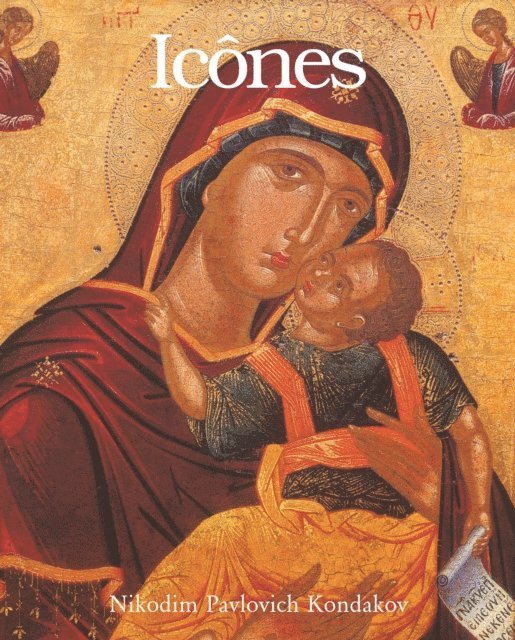
« L''iconographie chrétienne, et surtout la représentation du Christ, se base dans la doctrine de l''Incarnation. Tout comme le théologien s''exprime par la pensée, l''iconographe, à travers son art, exprime la vérité vivante, la révélation appartenant à l''Église dans la forme des traditions. Bien plus qu''aucune autre image sacrée, l''icône du Christ « non élaborée par la main de l''homme » exprime le principe dogmatique de l''iconographie. » (Père Daniel Rousseau).Cet ouvrage analyse l''évolution des thématiques abordées par les peintres au début de la période byzantine, à travers la Principauté de Kiev jusqu''à sa conclusion sous l''Empire russe.Indépendamment des techniques et des matériaux utilisés comme le bois, l''or, la tempera ou des anciens canons de l''iconographie, la représentation de la sainteté révèle une nouvelle expression de l''humanité dans chaque ère de l''Histoire.
E-bok
PDF, Engelska, 2012190 kr
Läs direkt efter köp
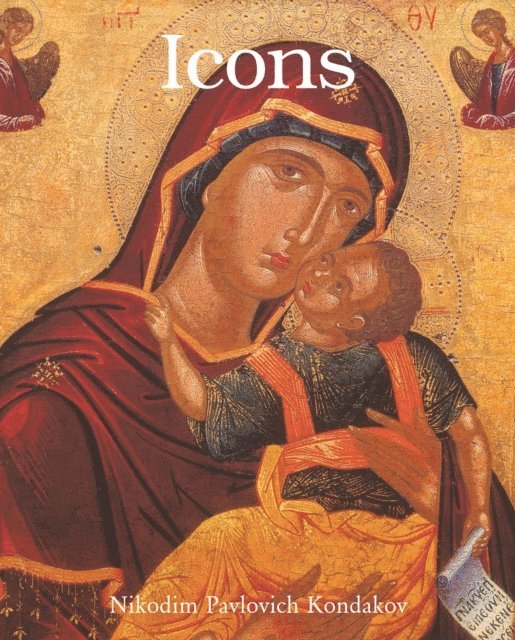
Icon painting has reached its zenith in Ukraine between the 11th and 18th centuries. This art is appealing because of its great openness to other influences – the obedience to the rules of Orthodox Christianity in its early stages, the borrowing from Roman heritage or later to the Western breakthroughs – combined with a never compromised assertion of a distinctly Slavic soul and identity.This book presents a handpicked and representative selection of works from the 11th century to the late Baroque period.
E-bok
Tyska, 2015190 kr
Läs direkt efter köp
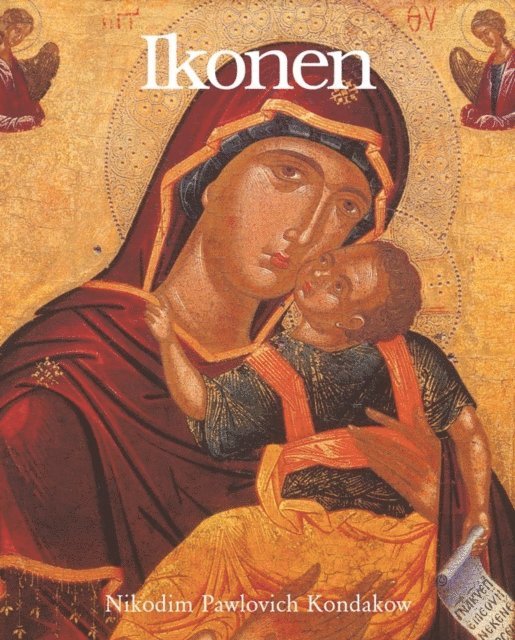
Ikonen waren zunächst im Wesentlichen byzantinisch und späterrussisch. Dennoch wussten auch die Christen des Orients,insbesondere die der Balkanstaaten und der Ukraine, darin eineneue Annäherung an ihren Glauben zu finden.So entsprachen die ersten ukrainischen Ikonen den Richtlinien desorthodoxen Glaubens, um erst später in eine speziellere Kunstüberzugehen.Ab dem 14. Jahrhundert war die Inspiration mehr römischen alsbyzantinischen Ursprungs und enthüllte einen starken Einfluss derslawischen Seele.Obwohl sie die Vorwerke der abendländischen Kunst aufnahm,bewahrte die Epoche des Barock davon nicht wenigeBesonderheiten. Dieses Werk stellt die repräsentativsten Ikonenvom 9. Jahrhundert bis zum Ende des Barock vor.
E-bok
Engelska, 2023228 kr
Läs direkt efter köp
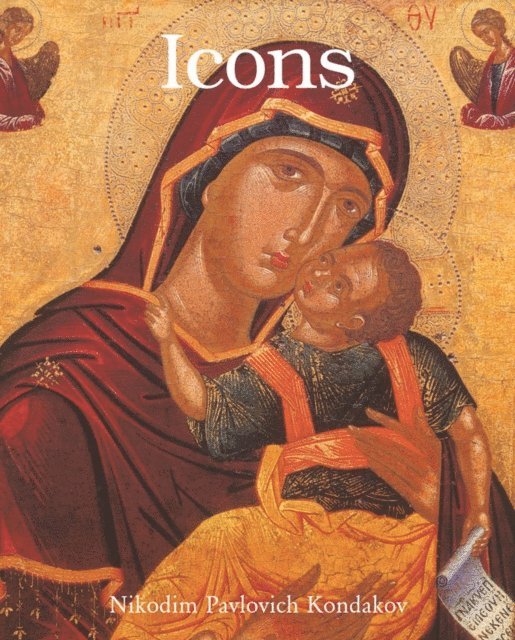
Icon painting has reached its zenith in Ukraine between the 11th and 18th centuries. This art is appealing because of its great openness to other influences – the obedience to the rules of Orthodox Christianity in its early stages, the borrowing from Roman heritage or later to the Western breakthroughs – combined with a never compromised assertion of a distinctly Slavic soul and identity.This book presents a handpicked and representative selection of works from the 11th century to the late Baroque period.
E-bok
Franska, 2015190 kr
Läs direkt efter köp
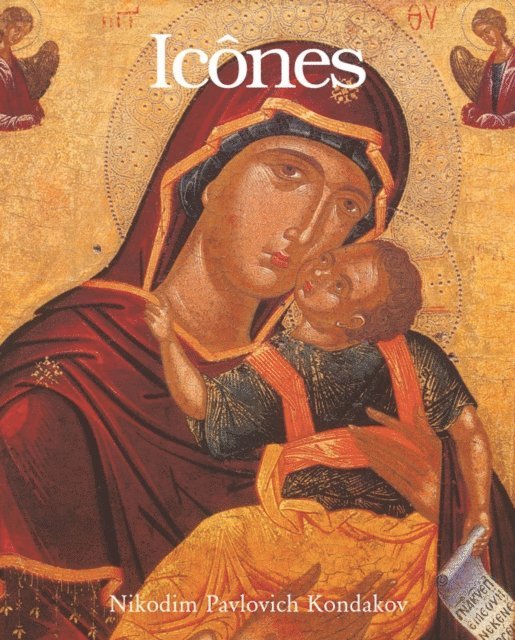
« L''iconographie chrétienne, et surtout la représentation du Christ, se base dans la doctrine de l''Incarnation. Tout comme le théologien s''exprime par la pensée, l''iconographe, à travers son art, exprime la vérité vivante, la révélation appartenant à l''Église dans la forme des traditions. Bien plus qu''aucune autre image sacrée, l''icône du Christ « non élaborée par la main de l''homme » exprime le principe dogmatique de l''iconographie. » (Père Daniel Rousseau).Cet ouvrage analyse l''évolution des thématiques abordées par les peintres au début de la période byzantine, à travers la Principauté de Kiev jusqu''à sa conclusion sous l''Empire russe.Indépendamment des techniques et des matériaux utilisés comme le bois, l''or, la tempera ou des anciens canons de l''iconographie, la représentation de la sainteté révèle une nouvelle expression de l''humanité dans chaque ère de l''Histoire.