Pearl James – Författare
Visar alla böcker från författaren Pearl James. Handla med fri frakt och snabb leverans.
2 produkter
2 produkter
324 kr
Skickas inom 10-15 vardagar
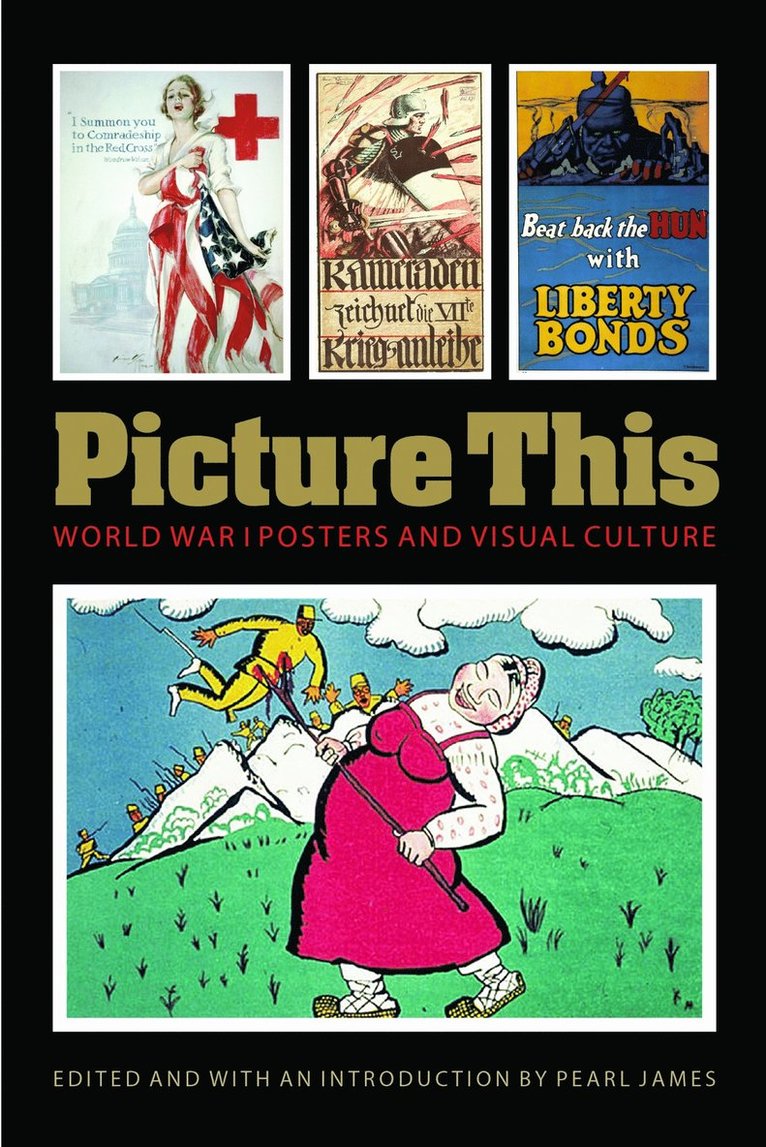
The First World War was waged through the participation not just of soldiers but of men, women, and children on the home front. Mass-produced, full-color, large-format war posters were both a sign and an instrument of this historic shift in warfare. War posters celebrated, in both their form and content, the modernity of the conflict. They also reached an enormous international audience through their prominent display and continual reproduction in pamphlets and magazines in every combatant nation, uniting diverse populations as viewers of the same image and bringing them closer, in an imaginary and powerful way, to the war. Most war posters were aimed particularly at civilian populations. Posters nationalized, mobilized, and modernized those populations, thereby influencing how they viewed themselves and their activities. The home-front life—factory work, agricultural work, domestic work, the consumption and conservation of goods, as well as various forms of leisure—became, through the viewing of posters, emblematic of national identity and of each citizen's place within the collective effort to win the war. Essays by Jay Winter, Jeffrey T. Schnapp, Jennifer D. Keene, and others reveal the centrality of visual media, particularly the poster, within the specific national contexts of Britain, France, Germany, Russia, and the United States during World War I. Ultimately, posters were not merely representations of popular understanding of the war, but instruments influencing the reach, meaning, and memory of the war in subtle and pervasive ways.
408 kr
Skickas inom 10-15 vardagar
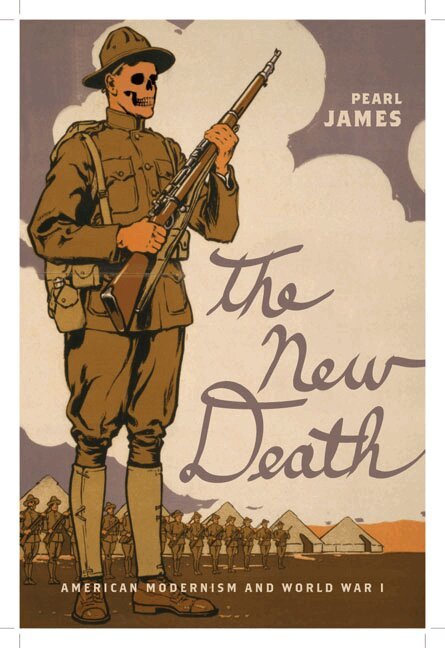
Adopting the term ""new death,"" which was used to describe the unprecedented and horrific scale of death caused by the First World War, Pearl James uncovers several touchstones of American modernism that refer to and narrate traumatic death. The sense of paradox was pervasive: death was both sanctified and denied; notions of heroism were both essential and far-fetched; and civilians had opportunities to hear about the ugliness of death at the front but often preferred not to. By historicising and analysing the work of such writers as Willa Cather, Ernest Hemingway, F. Scott Fitzgerald, and William Faulkner, the author shows how their novels reveal, conceal, refigure, and aestheticise the violent death of young men in the aftermath of the war. These writers, James argues, have much to say about how the First World War changed death's cultural meaning.