Peggy Wang – författare
Visar alla böcker från författaren Peggy Wang. Handla med fri frakt och snabb leverans.
5 produkter
5 produkter
217 kr
Läs direkt efter köp
Trick out your foodMacGyver your way to a killer meal with the clever ideas, simple tricks, and lightning-fast food fixes in Amazing Food Hacks. If you don’t have time to cook, don’t like to cook, or don’t know how to turn on your oven but love to eat stuff that tastes good, you’re in the right place. Now you have 75 crazy-brilliant ways to eat awesome anytime. Boom.
E-bok
Engelska, 201571 kr
Läs direkt efter köp
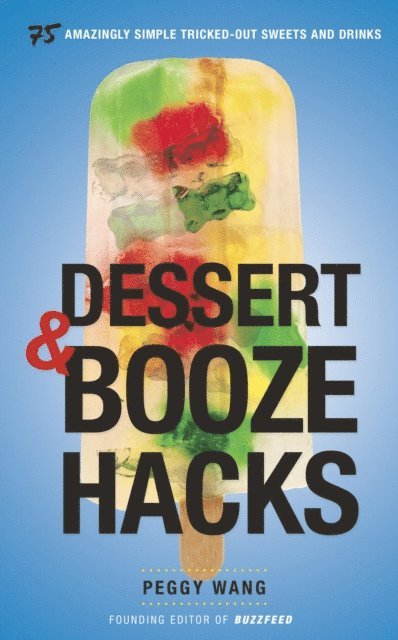
Hacking just got sweeter. Massive sweets craving and only your cabinets to scavenge? Friends coming by at the last minute to pre-party and you can’t run to the store? Have no fear, hacks are here. Raid your freezer to find the fixings for a no-bake ice cream sandwich cake or combine three ingredients into an epic sangria. The 75 ideas in Dessert and Booze Hacks are just what you need to pull together awesome-tasting treats and tipples that will blow your mind.
Häftad, Engelska, 2005
457 kr
Skickas inom 5-8 vardagar
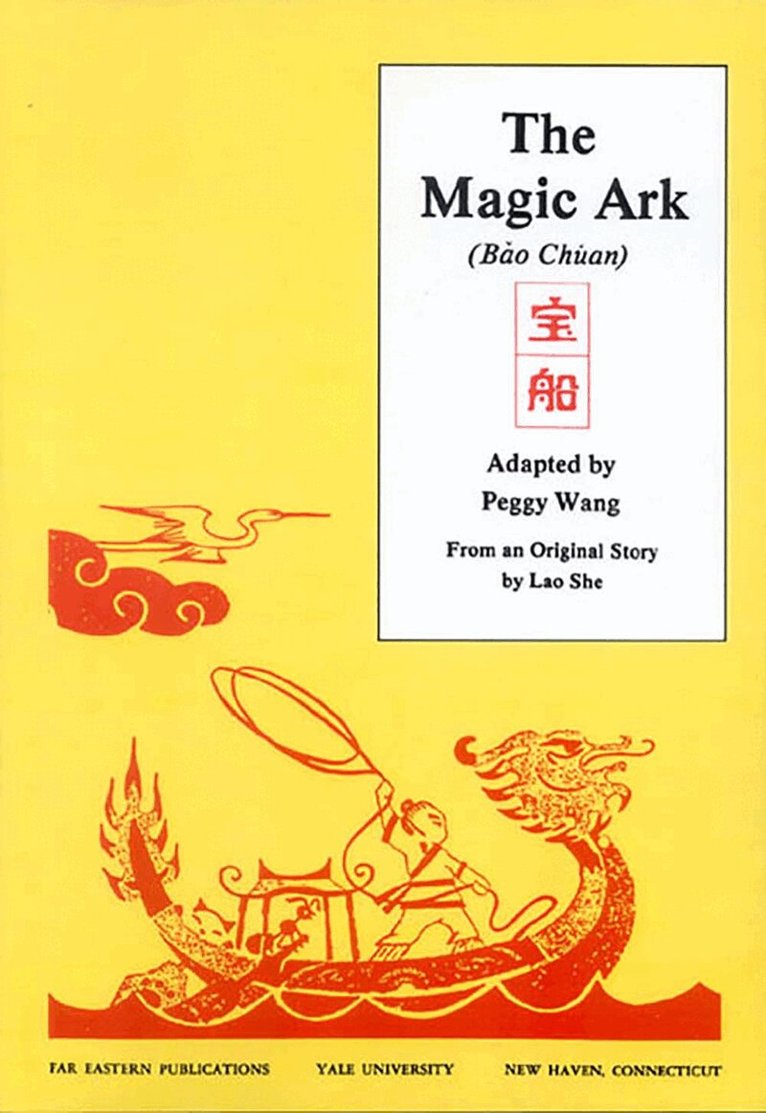
The charming children's story popularized by celebrated modern writer Lao She is here retold in simplified Chinese, with pinyin romanization and at the 700 character level.
Inbunden, Engelska, 2021
1 334 kr
Skickas inom 5-8 vardagar
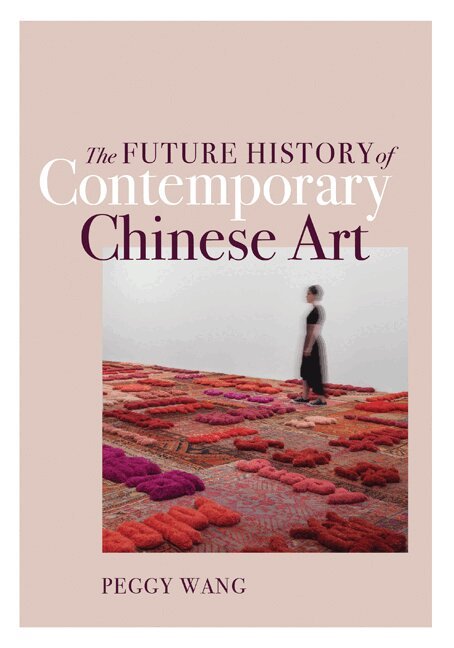
A revelatory reclaiming of five iconic Chinese artists and their place in art historyDuring the 1980s and 1990s, a group of Chinese artists (Zhang Xiaogang, Wang Guangyi, Sui Jianguo, Zhang Peili, and Lin Tianmiao) ascended to new heights of international renown. Even as their fame increased, they came to be circumscribed by simplistic Western interpretations of their artworks as social and political critiques, a perspective that privileged stories of dissidence over deep engagement with the art itself. Through in-depth case studies of these five artists, Peggy Wang offers a corrective to previous appraisals, demonstrating how their works address fundamental questions about the forms, meanings, and possibilities of art. By the end of the 1980s, Chinese artists were scrutinizing earlier waves of Western influence and turning instead to their own heritage and culture to forge their own future histories. As the national trauma of the 1989 Tiananmen Square massacre converged with the mounting expansion of the global art world, these artists turned to art as a profoundly generative site for grappling with their place in the world. Wang demonstrates how they consciously and energetically sought to make their own ideas about art and art history visible in contemporary art. Wang’s argument is informed by extensive primary research, including close examination of the artworks, analysis of Chinese language documents and archives, and deeply personal interviews with the artists. Their words uncover layers of meaning previously obscured by the popular and often recycled assessments that many of these works have received until now. Beyond Wang’s reinterpretation of these individual artists, she contributes to an urgent conversation on the future direction of art history: how do we map engagements between art from different parts of the world that are embedded within different art histories? What does it mean for histories of contemporary art-and art history more generally-to be inclusive? The new understandings offered in this book can and should be engaged when considering current hierarchies in histories of Chinese art, the global art world, and the intersections between them.
Häftad, Engelska, 2021
325 kr
Skickas inom 5-8 vardagar
A revelatory reclaiming of five iconic Chinese artists and their place in art historyDuring the 1980s and 1990s, a group of Chinese artists (Zhang Xiaogang, Wang Guangyi, Sui Jianguo, Zhang Peili, and Lin Tianmiao) ascended to new heights of international renown. Even as their fame increased, they came to be circumscribed by simplistic Western interpretations of their artworks as social and political critiques, a perspective that privileged stories of dissidence over deep engagement with the art itself. Through in-depth case studies of these five artists, Peggy Wang offers a corrective to previous appraisals, demonstrating how their works address fundamental questions about the forms, meanings, and possibilities of art. By the end of the 1980s, Chinese artists were scrutinizing earlier waves of Western influence and turning instead to their own heritage and culture to forge their own future histories. As the national trauma of the 1989 Tiananmen Square massacre converged with the mounting expansion of the global art world, these artists turned to art as a profoundly generative site for grappling with their place in the world. Wang demonstrates how they consciously and energetically sought to make their own ideas about art and art history visible in contemporary art. Wang’s argument is informed by extensive primary research, including close examination of the artworks, analysis of Chinese language documents and archives, and deeply personal interviews with the artists. Their words uncover layers of meaning previously obscured by the popular and often recycled assessments that many of these works have received until now. Beyond Wang’s reinterpretation of these individual artists, she contributes to an urgent conversation on the future direction of art history: how do we map engagements between art from different parts of the world that are embedded within different art histories? What does it mean for histories of contemporary art-and art history more generally-to be inclusive? The new understandings offered in this book can and should be engaged when considering current hierarchies in histories of Chinese art, the global art world, and the intersections between them.