Peng Peng – författare
Visar alla böcker från författaren Peng Peng. Handla med fri frakt och snabb leverans.
6 produkter
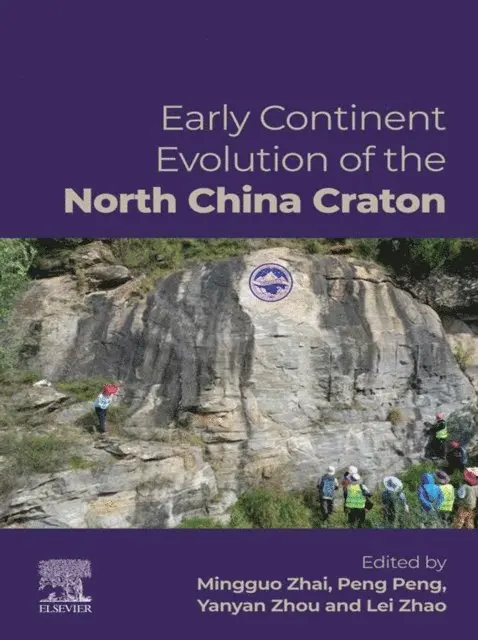
Early Continent Evolution of the North China Craton
Av Lei Zhao, Yanyan Zhou m. fl.
E-bok, 2024
2035 kr
Lägg i varukorg
Early Continent Evolution of the North China Craton discusses the tectono-thermal regimes of the early continental crust in the North China Craton (NCC) from the Hadean to the early Paleoproterozoic, reconstructing the evolutional framework, and facilitating comprehensive understanding of the early …
Early Continent Evolution of the North China Craton
Av Mingguo Zhai, Peng Peng m. fl.
Häftad, 2024
1432 kr
Lägg i varukorg
Early Continent Evolution of the North China Craton discusses the tectono-thermal regimes of the early continental crust in the North China Craton (NCC), from the Hadean to the early Paleoproterozoic, reconstructing the evolutional framework and facilitating comprehensive understanding of the early …
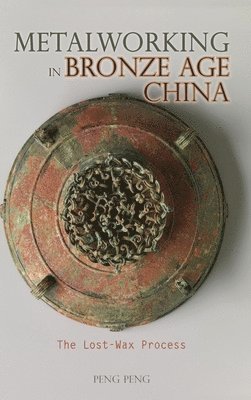
Metalworking in Bronze Age China
The Lost-Wax Process
Av Peng Peng
Inbunden, 2020
1777 kr
Lägg i varukorg
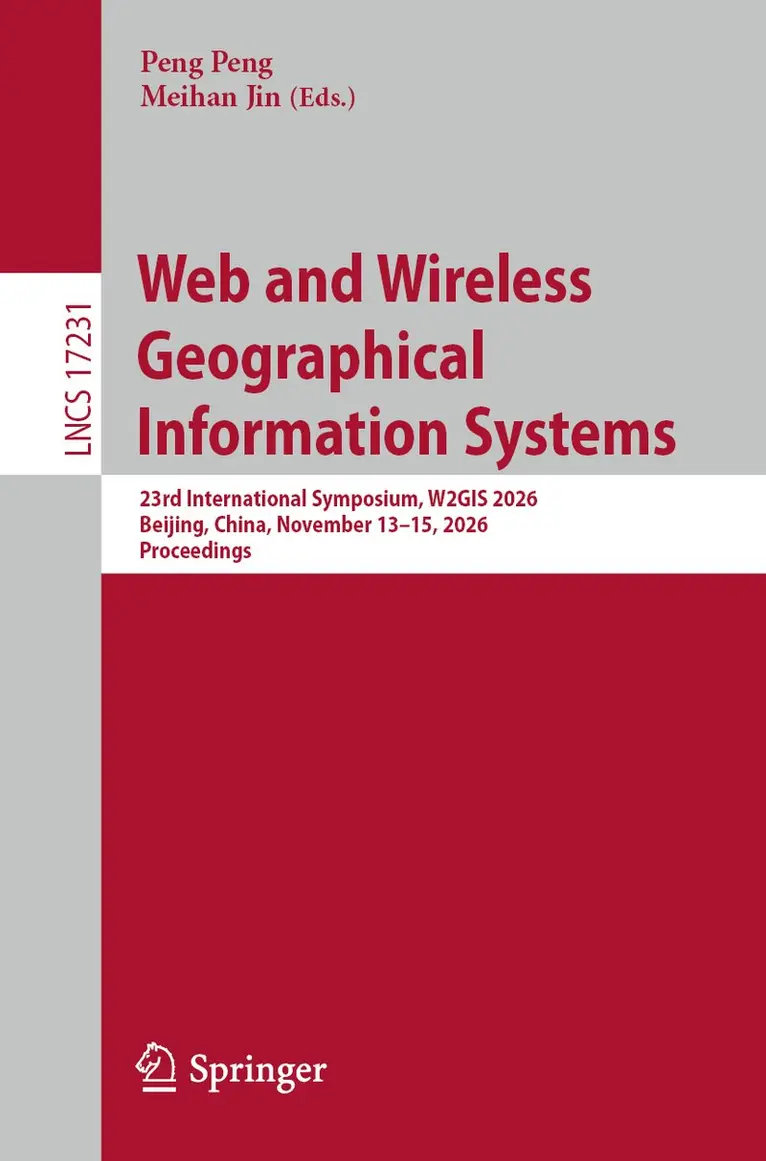
Web and Wireless Geographical Information Systems
23rd International Symposium, W2GIS 2026, Beijing, China, November 13–15, 2026, Proceedings
Av Peng Peng, Meihan Jin
Häftad, 2026
567 kr
Lägg i varukorg
This book constitutes the proceedings of the 23rd International Symposium on Web and Wireless Geographical Information Systems, W2GIS 2026, held in Beijing, China, during November 13–15, 2026.The 17 full papers and 5 short papers presented in this volume were carefully reviewed and selected from 25 …
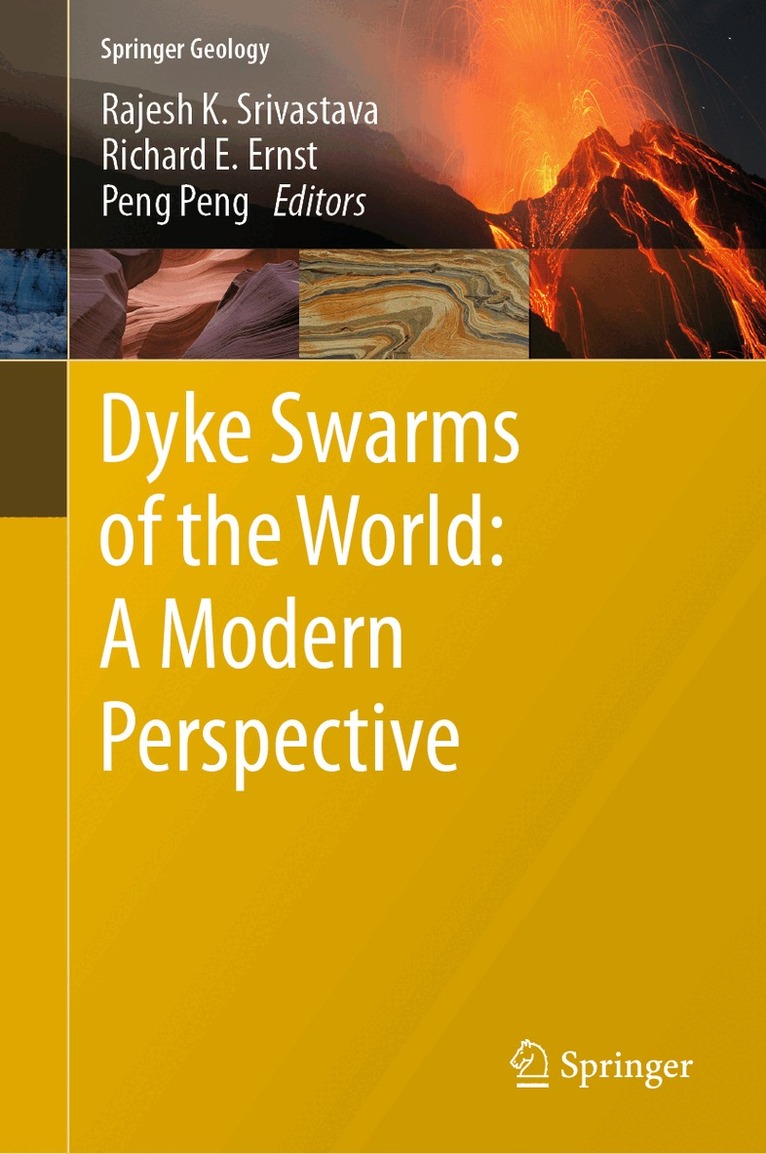
Dyke Swarms of the World: A Modern Perspective
Av Rajesh K. Srivastava, Richard E. Ernst m. fl.
Inbunden, 2018
1094 kr
Lägg i varukorg
Continuing the tradition of International Dyke Conference, this book is largely based on contributions from the IDC7 but also includes some chapters by invitation. It focuses on mafic dyke swarms and related associations: e.g. links with sills, kimberlites, syenites, carbonatites, and volcanics, …
Dyke Swarms of the World: A Modern Perspective
Av Peng Peng, Richard E. Ernst m. fl.
E-bok, 2018
1459 kr
Lägg i varukorg
Continuing the tradition of International Dyke Conference, this book is largely based on contributions from the IDC7 but also includes some chapters by invitation. It focuses on mafic dyke swarms and related associations: e.g. links with sills, kimberlites, syenites, carbonatites, and volcanics, …