Pepka Boyadjieva – författare
Visar alla böcker från författaren Pepka Boyadjieva. Handla med fri frakt och snabb leverans.
6 produkter
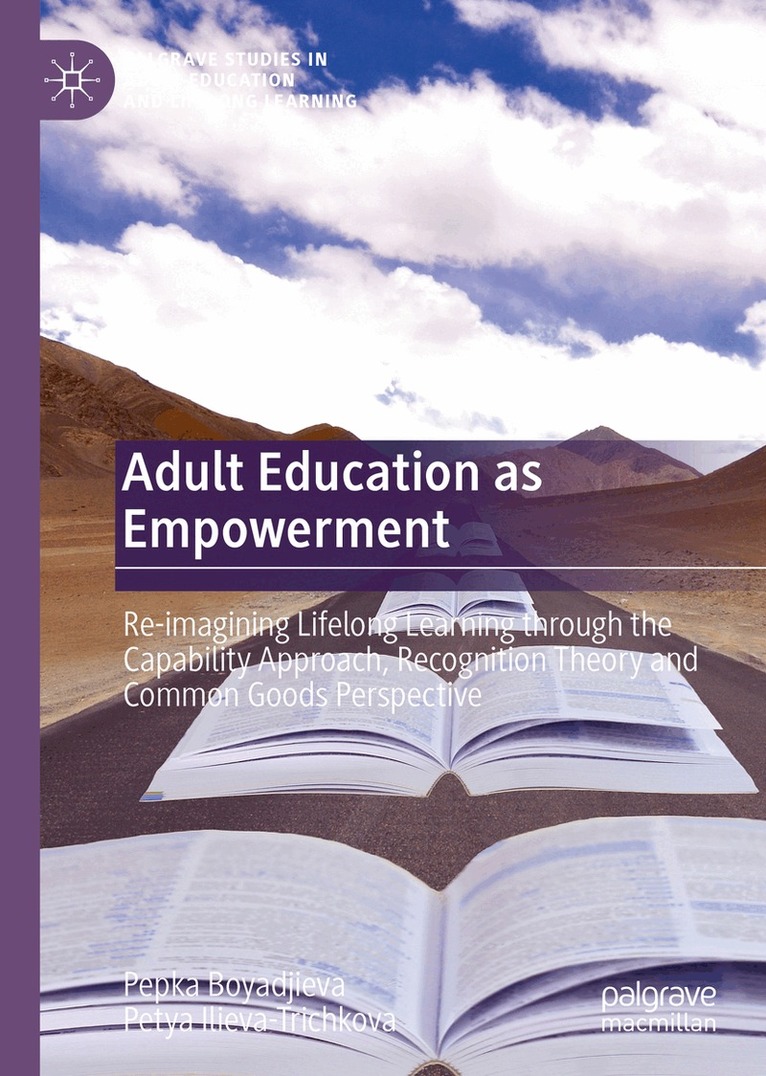
Adult Education as Empowerment
Re-imagining Lifelong Learning through the Capability Approach, Recognition Theory and Common Goods Perspective
Av Pepka Boyadjieva, Petya Ilieva-Trichkova
Inbunden, 2021
1168 kr
Lägg i varukorg
Winner of the AAACE Cyril O. Houle AwardThis book re-imagines the essence and role of adult education at both the individual and societal levels. It provides arguments for understanding adult education as a process of agency and empowerment, which has not only instrumental but intrinsic and …
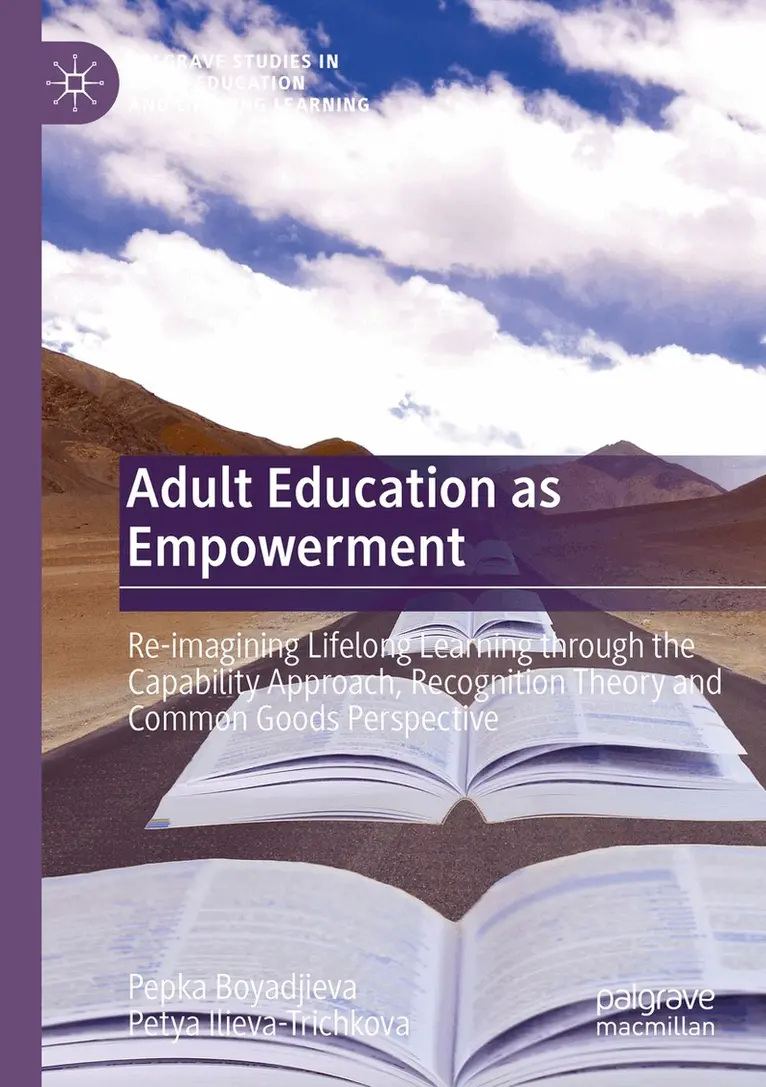
Adult Education as Empowerment
Re-imagining Lifelong Learning through the Capability Approach, Recognition Theory and Common Goods Perspective
Av Petya Ilieva-Trichkova, Pepka Boyadjieva
E-bok, 2021
1576 kr
Lägg i varukorg
Winner of the AAACE Cyril O. Houle Award This book re-imagines the essence and role of adult education at both the individual and societal levels. It provides arguments for understanding adult education as a process of agency and empowerment, which has not only instrumental but intrinsic and …
Adult Education as Empowerment
Re-imagining Lifelong Learning through the Capability Approach, Recognition Theory and Common Goods Perspective
Av Pepka Boyadjieva, Petya Ilieva-Trichkova
Häftad, 2022
1168 kr
Lägg i varukorg
Winner of the AAACE Cyril O. Houle AwardThis book re-imagines the essence and role of adult education at both the individual and societal levels. It provides arguments for understanding adult education as a process of agency and empowerment, which has not only instrumental but intrinsic and …
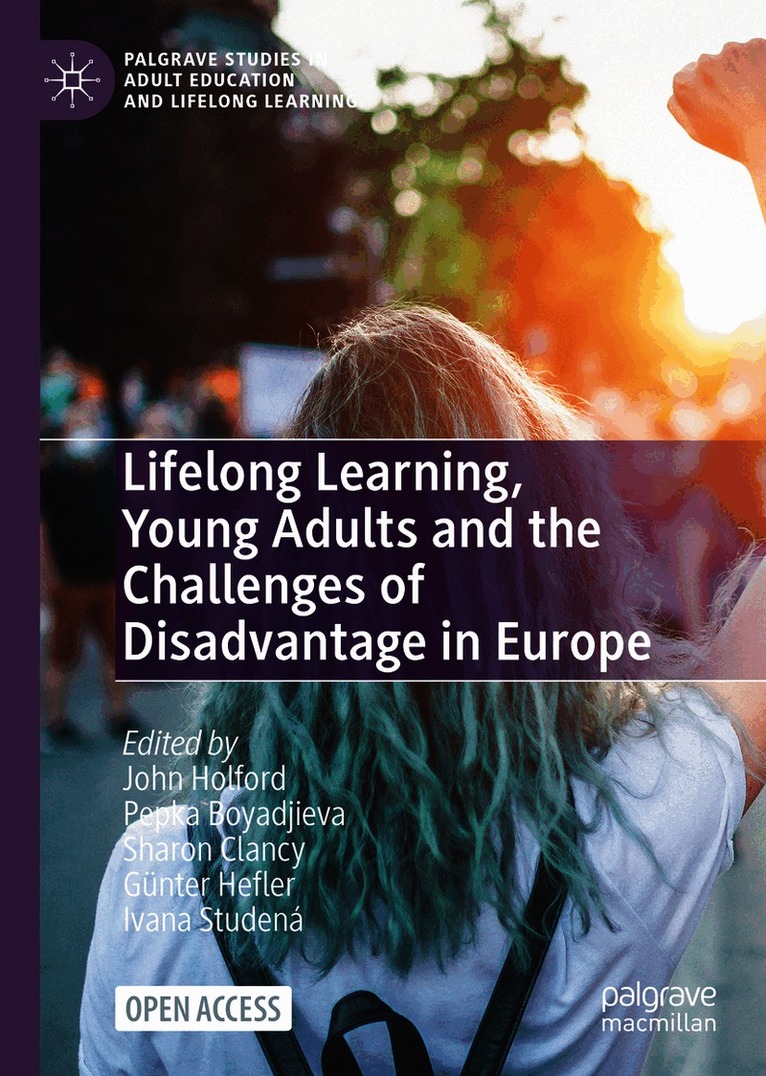
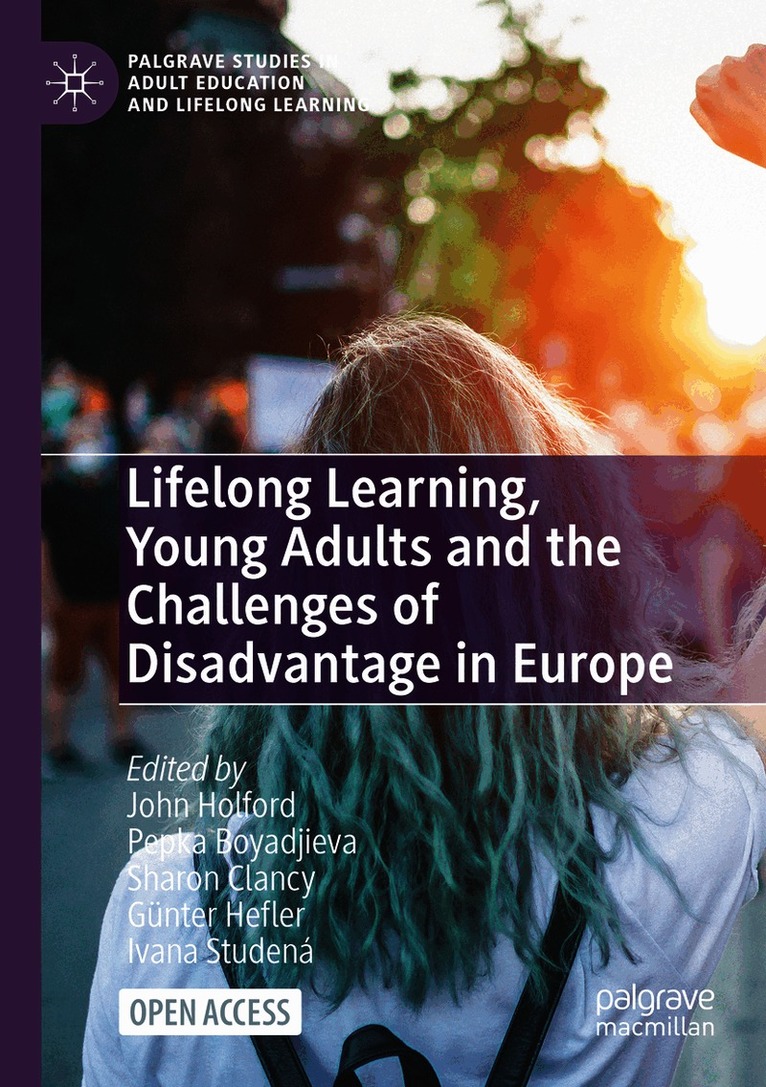
Lifelong Learning, Young Adults and the Challenges of Disadvantage in Europe
Av John Holford, Pepka Boyadjieva m. fl.
Inbunden, 2023
535 kr
Lägg i varukorg
This open access book challenges international policy ‘groupthink’ about lifelong learning. Adult learning – too long a servant of business competitiveness – should be reimagined as central to democratic society. Young adults, especially from disadvantaged backgrounds, engage more in education and …
Lifelong Learning, Young Adults and the Challenges of Disadvantage in Europe
Av John Holford, Pepka Boyadjieva
2023
634 kr
Lägg i varukorg
Lifelong Learning, Young Adults and the Challenges of Disadvantage in Europe
Av John Holford, Pepka Boyadjieva m. fl.
Häftad, 2023
429 kr
Lägg i varukorg
This open access book challenges international policy ‘groupthink’ about lifelong learning. Adult learning – too long a servant of business competitiveness – should be reimagined as central to democratic society. Young adults, especially from disadvantaged backgrounds, engage more in education and …