Peter Adam Angeles - Böcker
Visar alla böcker från författaren Peter Adam Angeles. Handla med fri frakt och snabb leverans.
2 produkter
2 produkter
282 kr
Tillfälligt slut
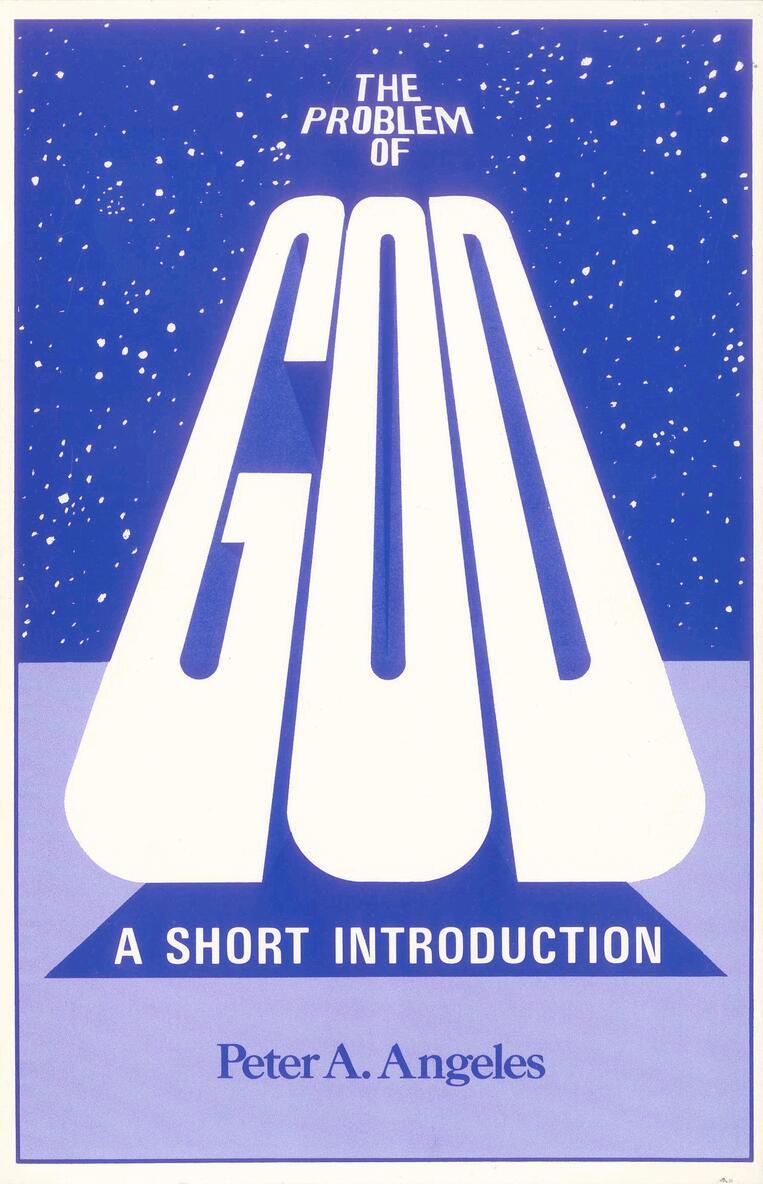
The material in this book is philosophically (as opposed to theologically or religiously) oriented, stressing the problem of God as a logical and philosophical problem. The perspective is critically analytic in the Naturalistic-Humanistic tradition. The basic approach is an issues or problems approach, but this is set in a historical context with quotations from Greek philosophy, the Church Fathers, the Medieval period, and from modern philosophers. The aim is to enable students to see what is being said and has been said about God and thereby fits this into a better framework in the light of present knowledge and society. It is hoped that students will develop an awareness and appreciation of the philosophical problems in the concept of God, that they will acquire the ability to engage in intelligent evaluation and exchange of ideas, and that they will display these qualities in their everyday thought.This volume is by no means exhaustive of all the themes in the Philosophy of Religion. The most fundamental ones about God's existence are covered thoroughly. The book is a starting point for more intensive work in the subject. It lays down the basic groundwork for an easy transition to other topics and to more sophisticated thought-patterns. The writing has been kept as concise and elementary as possible with short sections on a variety of topics.
309 kr
Skickas inom 5-8 vardagar
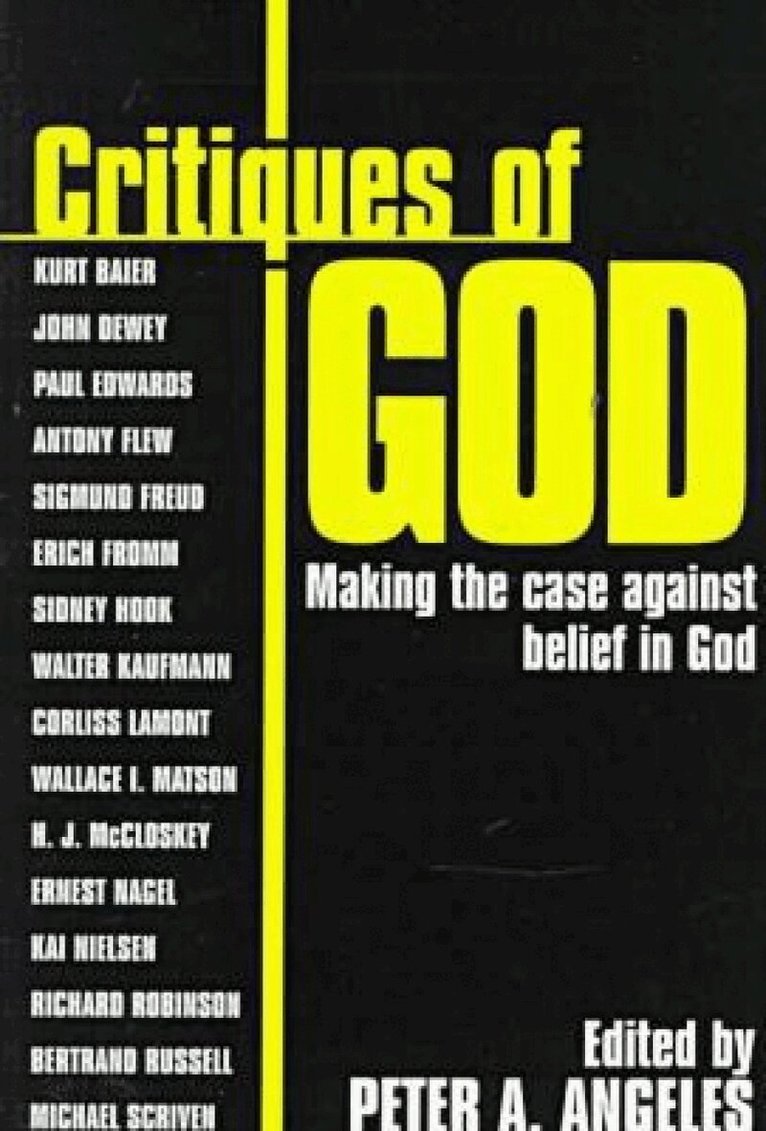
As the only collection of essays to present, in a comprehensive way, the case against belief in God, this classic volume rejects the niew that moral values and human purpose require divine sanction. The arguments for God's existence, the validity of mystical experience, and the importance of the God concept for the development of morality and meaning in life are critically evaluated by sixteen well-known philosophers and psychologists. Included are works by Kurt Baier, John Dewey, Paul Edwards, Antony Flew, Sigmund Freud, Erich Fromm, Sidney Hook, Walter Kaufmann, Corliss Lamont, Wallace I. Matson, H.J. McCloskey, Ernest Nagel, Kai Nielsen, Richard Robinson, Bertrand Russell, and Michael Scriven. Included are discussions of the meaning of the existence of God, the relationships between faith and mysticism, reason and science, fate, the problem of evil, ethics without God, and immortality.