Péter Bajomi-Lázár – författare
Visar alla böcker från författaren Péter Bajomi-Lázár. Handla med fri frakt och snabb leverans.
6 produkter
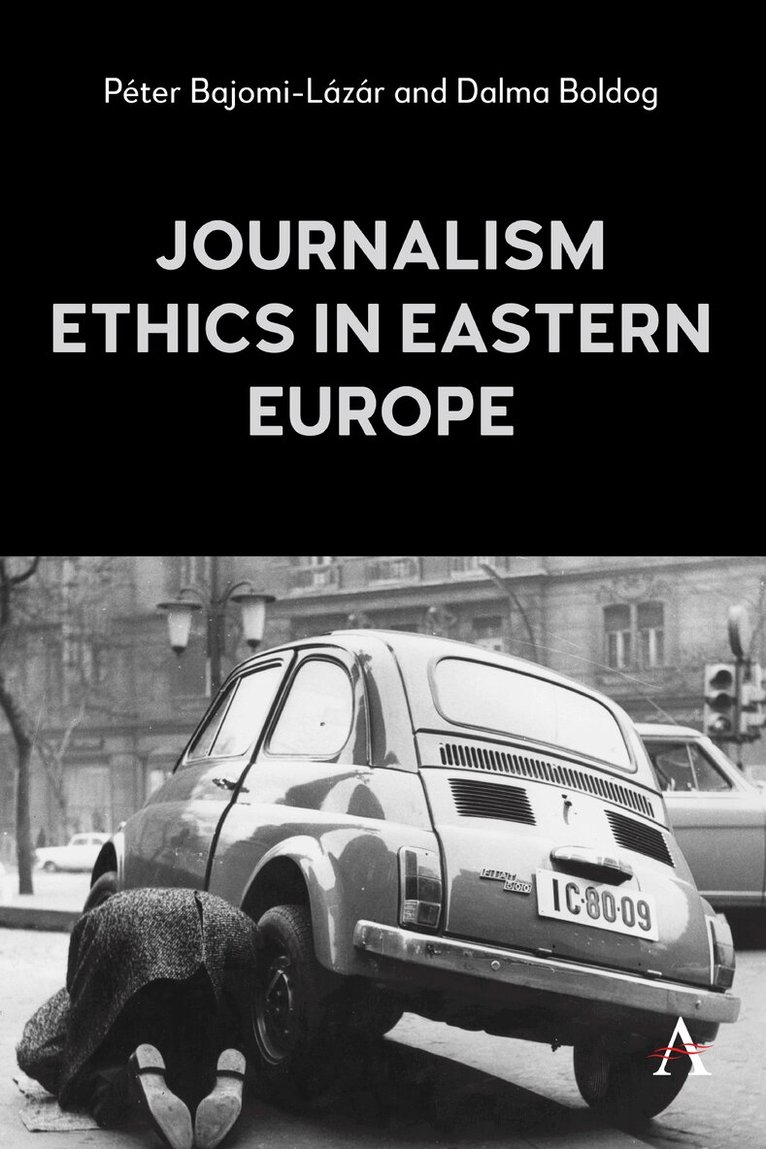
Journalism Ethics in Eastern Europe
Av Péter Bajomi-Lázár, Dalma Boldog
Inbunden, 2026
1318 kr
Lägg i varukorg
This textbook offers an overview of the current ethical challenges of public communication in general and of journalism in particular in Eastern Europe. It recalls the normative theories of media performance and describes the professionalisation and de-professionalisation of journalism. It explores …
Journalism Ethics in Eastern Europe
Av Dalma Boldog, Peter Bajomi-Lazar
E-bok, 2026
420 kr
Lägg i varukorg
This textbook offers an overview of the current ethical challenges of public communication in general and of journalism in particular in Eastern Europe. It recalls the normative theories of media performance and describes the professionalisation and de-professionalisation of journalism. It explores …
Journalism Ethics in Eastern Europe
Av Dalma Boldog, Peter Bajomi-Lazar
E-bok, 2026
433 kr
Lägg i varukorg
This textbook offers an overview of the current ethical challenges of public communication in general and of journalism in particular in Eastern Europe. It recalls the normative theories of media performance and describes the professionalisation and de-professionalisation of journalism. It explores …
Media in third-wave democracies
Southern and Central/Eastern Europe in a Comparative Perspective
Häftad, 2018
212 kr
Lägg i varukorg
Digital media shadowing democracy : tehnology, communication, and power
Av Péter Bajomi-Lázár, Helena Sousa m. fl.
Häftad, 2026
246 kr
Lägg i varukorg
"The book’s message is brief: Liberal democracies are at risk. Democratic decay has numerous causes, but technological innovations and profit-driven dynamics are shaping societal relations in ways that intensify disagreements and polarisation, undermining informed citizenship. The growing number of …
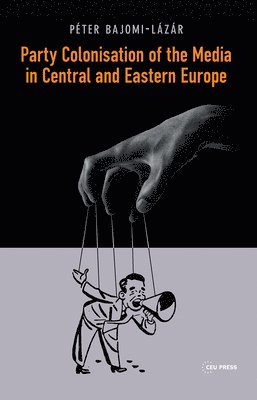
Party Colonisation of the Media in Central and Eastern Europe
Inbunden, 2014
1720 kr
Lägg i varukorg
This book compares media and political systems in East-Central as well as in Western Europe in order to identify the reasons possibly responsible for the extensive and intensive party control over the media. This phenomenon is widely experienced in many of the former communist countries since the …