Peter Blair – författare
Visar alla böcker från författaren Peter Blair. Handla med fri frakt och snabb leverans.
12 produkter
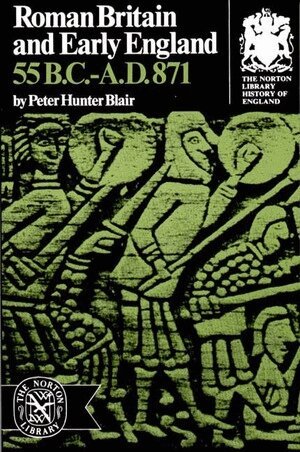
Roman Britain and Early England
55 B.C.-A.D. 871
Av Peter Blair
Häftad, 1966
309 kr
Lägg i varukorg
By the time of Caesar's first expedition to Britain in 55 B.C., migratory movements had established close ties of kinship and common interest between the peoples who lived in Gaul and some of the inhabitants of Britain. Because the source material is so meager for much of early British history, Mr. …
Law Firm Governance and Measurements of Success
Av Peter Blair
E-bok, 2010
2797 kr
Lägg i varukorg
So you AZre in A C or striving to be in A C The Lawyer AZs top 200. But are you being measured on what your clients actually find attractive? With increased demand for efficiency, value added services and effective governance, a ranking based simply on revenue is not sufficiently compelling. Having …
Law Firm Governance and Measurements of Success
Av Peter Blair
E-bok, 2010
2797 kr
Lägg i varukorg
So you AZre in A C or striving to be in A C The Lawyer AZs top 200. But are you being measured on what your clients actually find attractive? With increased demand for efficiency, value added services and effective governance, a ranking based simply on revenue is not sufficiently compelling. Having …
Rise of the Legal COO
Second Edition
Av Chris Bull, Laura McNair m. fl.
Häftad, 2023
3537 kr
Lägg i varukorg
In the five years since the first edition of this book published, there has been an accelerated rise in the number and influence of COO roles in the legal sphere. No longer the preserve of the largest national and international firms, mid-tier firms and even New Law and alternative legal service …
Rise of the Legal COO
Second Edition
Av William Robins, Darren Mitchell m. fl.
E-bok, 2023
3303 kr
Lägg i varukorg
In the five years since the first edition of this book published, there has been an accelerated rise in the number and influence of COO roles in the legal sphere. No longer the preserve of the largest national and international firms, mid-tier firms and even New Law and alternative legal service …
Rise of the Legal COO
Second Edition
Av William Robins, Darren Mitchell m. fl.
E-bok, 2023
3303 kr
Lägg i varukorg
In the five years since the first edition of this book published, there has been an accelerated rise in the number and influence of COO roles in the legal sphere. No longer the preserve of the largest national and international firms, mid-tier firms and even New Law and alternative legal service …
Biblical Bishops
James Ussher's Defence and Reform of Anglican Polity
Av Peter Blair
Häftad, 2022
105 kr
Lägg i varukorg
Law Firm Governance and Measurements of Success
Av Peter Blair
Häftad, 2010
2997 kr
Lägg i varukorg
So you AZre in A C or striving to be in A C The Lawyer AZs top 200. But are you being measured on what your clients actually find attractive? With increased demand for efficiency, value added services and effective governance, a ranking based simply on revenue is not sufficiently compelling. Having …
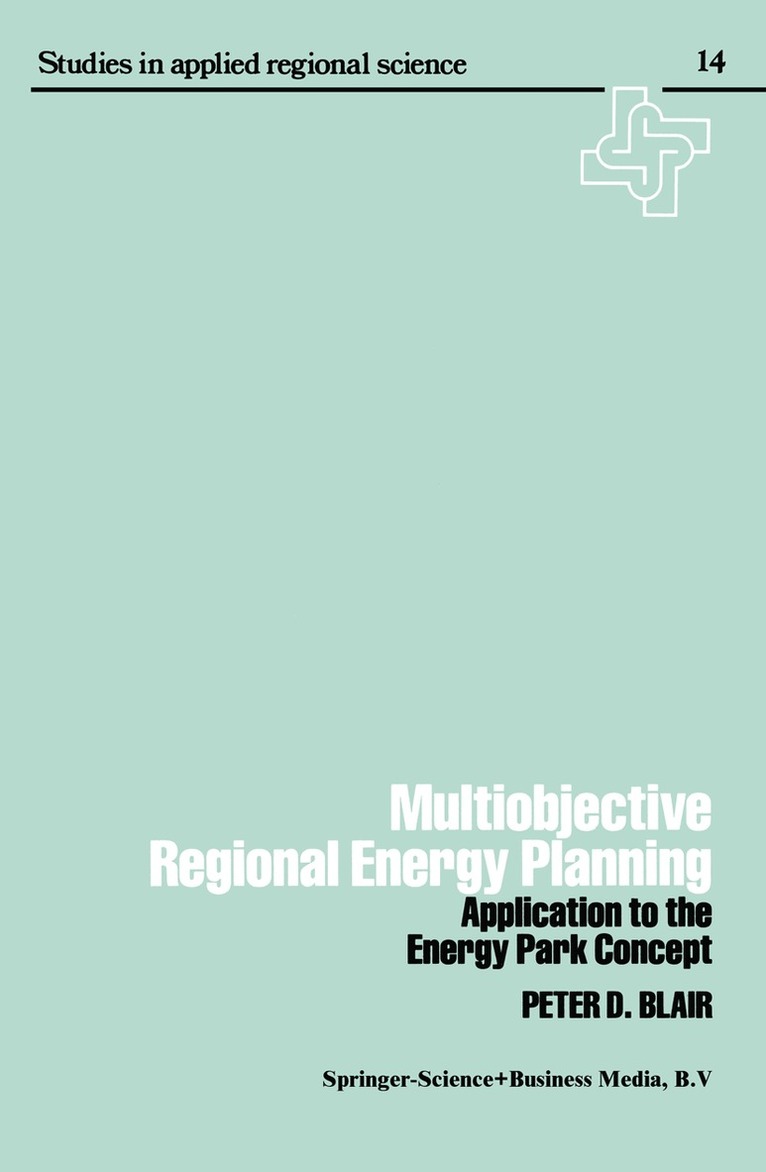
Multiobjective regional energy planning
Application to the energy park concept
Av Peter Blair
E-bok, 2013
755 kr
Lägg i varukorg
In recent years, the scope of energy planning has been broadened to include a variety of additional considerations such as socioeconomic and environ mental impacts. The fundamental purpose of energy planning is to formu late policy. Policy must be formulated in response to the interests which …
Multiobjective regional energy planning
Application to the energy park concept
Av Peter Blair
Häftad, 2013
566 kr
Lägg i varukorg
In recent years, the scope of energy planning has been broadened to include a variety of additional considerations such as socioeconomic and environ mental impacts. The fundamental purpose of energy planning is to formu late policy. Policy must be formulated in response to the interests which …
Farang
Av Peter Blair
Häftad, 2010
254 kr
Tillfälligt slut
Blair's third collection documents the author's experiences living in Thailand. A lyric and insightful collection that explores travel, identity, and memory.