Peter Forbes – författare
Visar alla böcker från författaren Peter Forbes. Handla med fri frakt och snabb leverans.
11 produkter
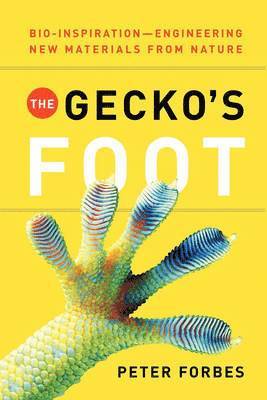
Gecko's Foot
Bio-inspiration: Engineering New Materials from Nature
Av Peter Forbes
Häftad, 2006
300 kr
Lägg i varukorg
"Study nature, love nature, stay close to nature. It will never fail you." When Frank Lloyd Wright said this, he probably wasn't envisioning self-cleaning surfaces, the photonic crystal, or Velcro. But nature has indeed yielded such inventions for those scientists and engineers who heeded the …
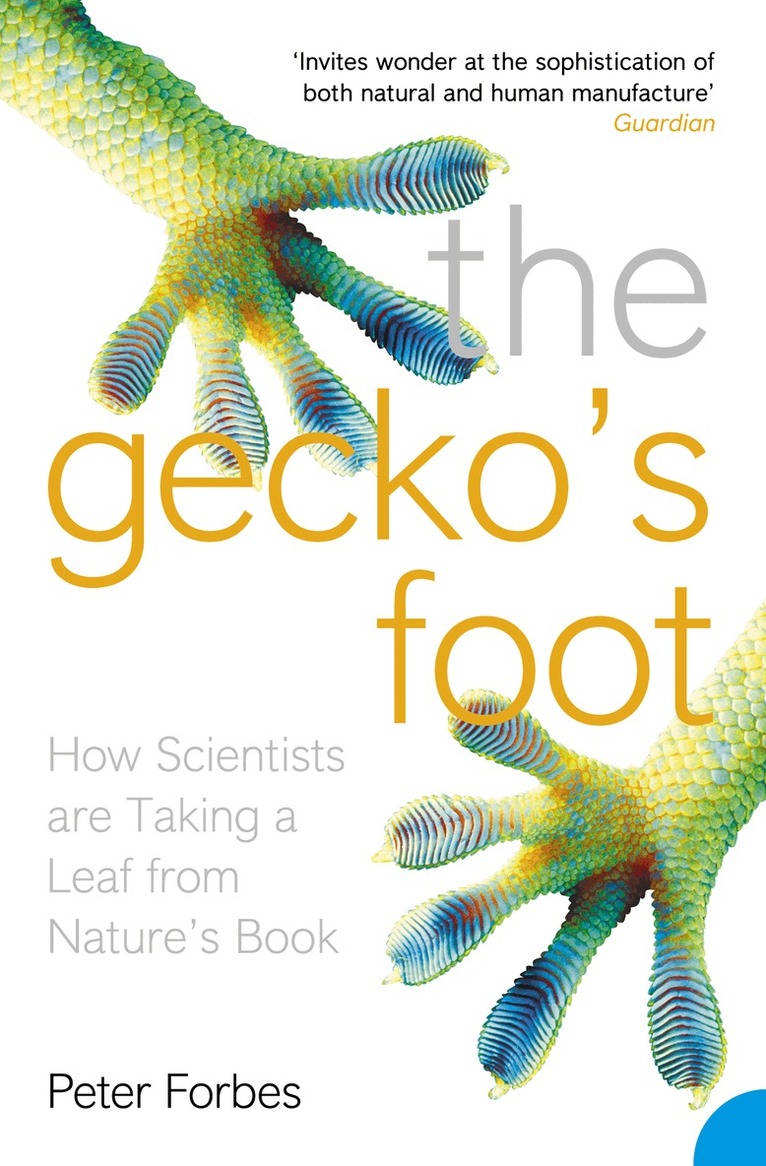
Gecko’s Foot
How Scientists are Taking a Leaf from Nature's Book
Av Peter Forbes
Häftad, 2006
144 kr
Lägg i varukorg
A cutting-edge science book in the style of ‘Fermat’s Last Theorem’ and ‘Chaos’ from an exciting and accessible new voice in popular science writing.Bio-inspiration is a form of engineering but not in the conventional sense. Extending beyond our established and preconceived notions, scientists, …
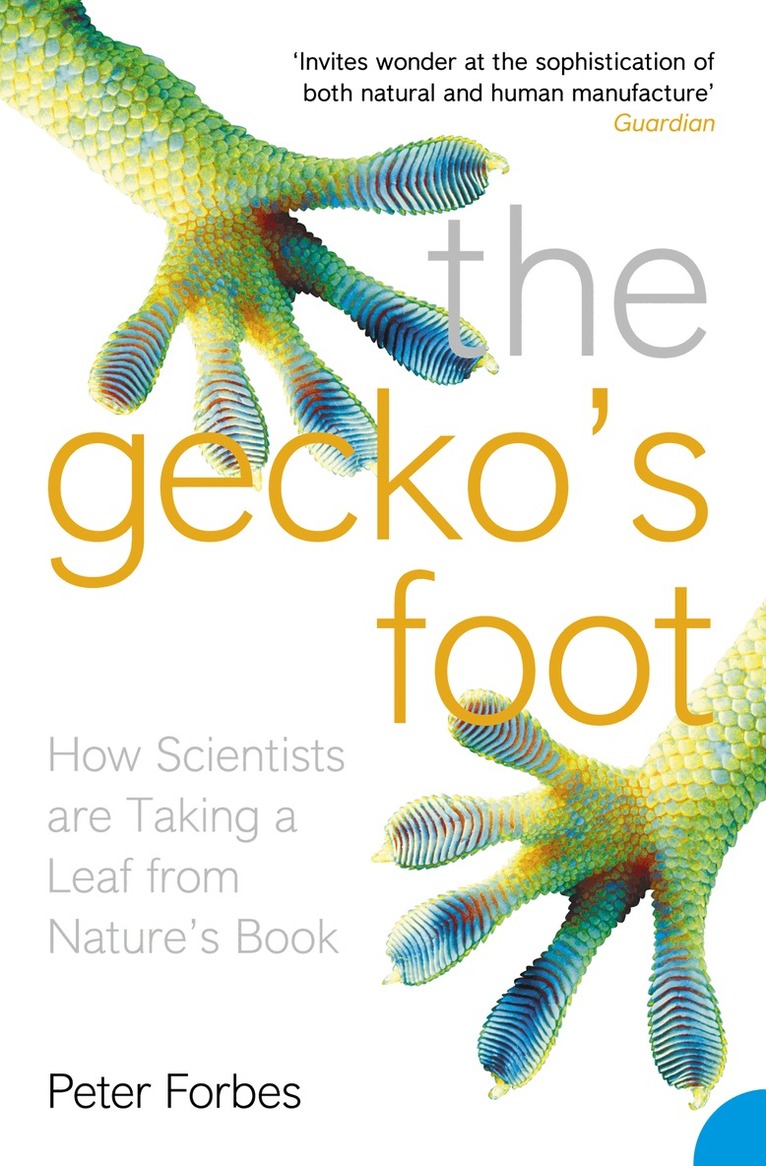
Gecko’s Foot
How Scientists are Taking a Leaf from Nature's Book
Av Peter Forbes
E-bok, 2010
76 kr
Lägg i varukorg
A cutting-edge science book in the style of `Fermat’s Last Theorem’ and `Chaos’ from an exciting and accessible voice in popular science writing.Bio-inspiration is a form of engineering but not in the conventional sense. Extending beyond our established and preconceived notions, scientists, …
Classical Music Book
Av Peter Forbes
Ljudbok, 2020
210 kr
Lägg i varukorg
From Mozart to Mendelssohn, this comprehensive guide to classical music history and classical music biography is the perfect latest addition to the bestselling Big Ideas series. Easy to understand and clear to follow, this history of classical music explores and explains music theory and the impact …
Picador Book of Wedding Poems
Av Peter Forbes
E-bok, 2012
176 kr
Lägg i varukorg
The Picador Book of Wedding Poems is not just a pocket-sized Cyrano de Bergerac for the romantically tongue-tied: it is a veritable dictionary of all the ways in which love can be declared. If you’re in the first throes of new love, need to put a relationship to the test, or have reached the point …
Man Apart
Bill Coperthwaite’s Radical Experiment in Living
Av Peter Forbes, Helen Whybrow
Inbunden, 2015
416 kr
Lägg i varukorg
A story of friendship, encouragement, and the quest to design a better worldA Man Apart is the story—part family memoir and part biography—of Peter Forbes and Helen Whybrow’s longtime friendship with Bill Coperthwaite (A Handmade Life), whose unusual life and fierce ideals helped them examine and …
Man Apart
Bill Coperthwaite’s Radical Experiment in Living
Av Helen Whybrow, Peter Forbes
E-bok, 2015
407 kr
Lägg i varukorg
A story of friendship, encouragement, and the quest to design a better world A Man Apart is the story—part family memoir and part biography—of Peter Forbes and Helen Whybrow’s longtime friendship with Bill Coperthwaite ( A Handmade Life ), whose unusual life and fierce ideals helped them examine …
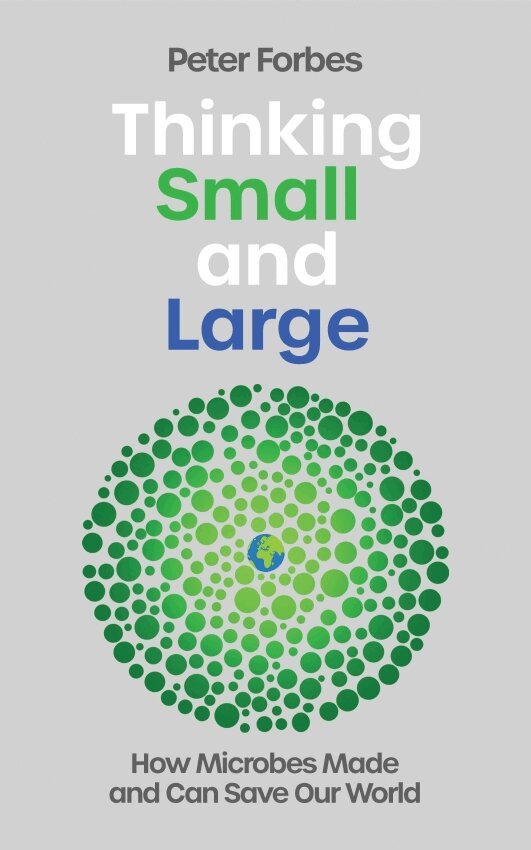
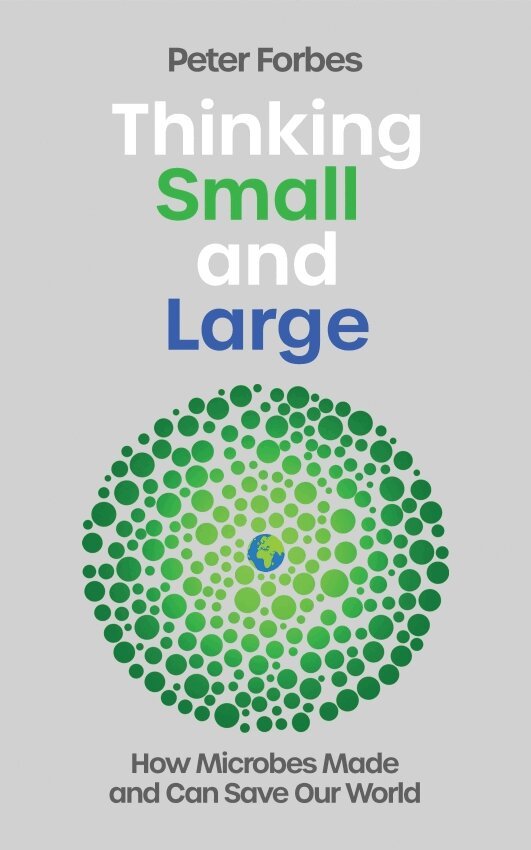
Thinking Small and Large
How Microbes Made and Can Save Our World
Av Peter Forbes
Inbunden, 2025
194 kr
Lägg i varukorg
The environmental crisis will not be solved by battery technology alone.Thinking Small and Large reveals the ingenuity of microbes at key stages in life's 4 billion year history and highlights their developing role in resolving our deepest problem: climate change that is flooding and burning our …
Thinking Small and Large
How Microbes Made and Can Save Our World
Av Peter Forbes
Häftad, 2026
123 kr
Lägg i varukorg
'Brilliantly convincing'Stephen Greenblatt, Pulitzer Prize winner for The SwerveThe environmental crisis will not be solved by battery technology alone.Thinking Small and Large reveals the ingenuity of microbes at key stages in life's 4 billion year history and highlights their developing role in …
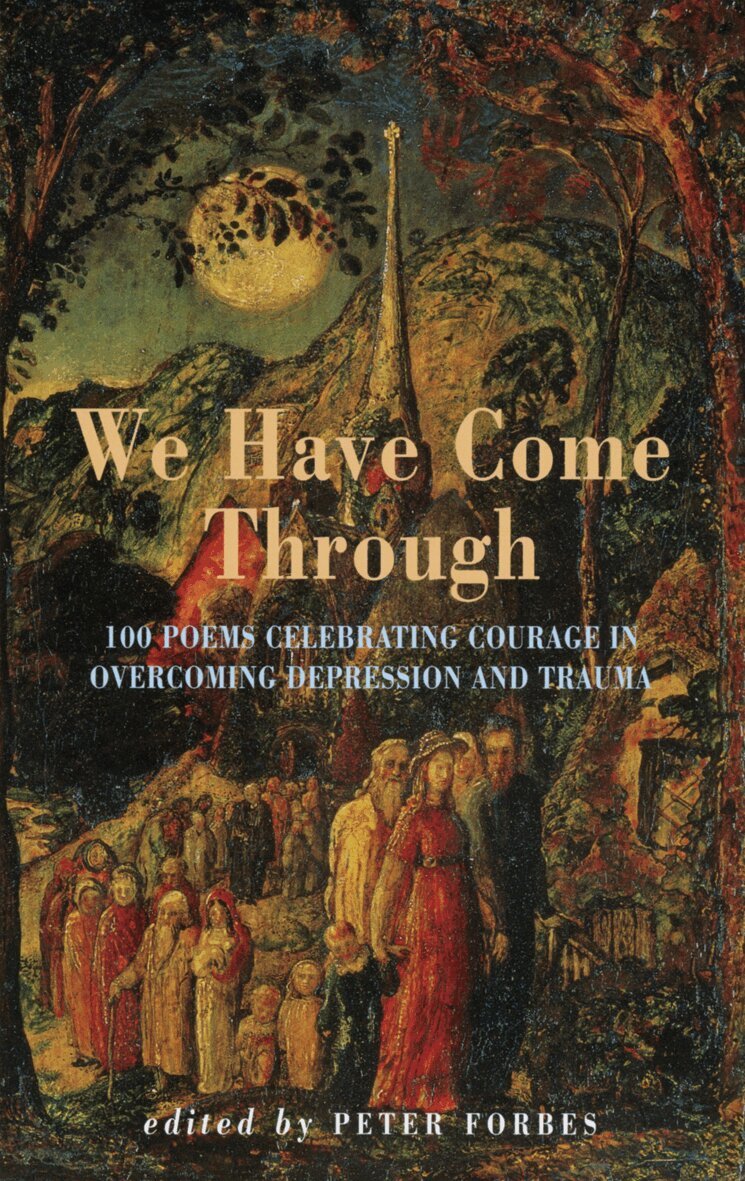
We Have Come Through
100 Poems Celebrating Courage in Overcoming Depression and Trauma
Häftad, 2003
127 kr
Lägg i varukorg
Poetry has always been bound up with ideas of endurance, redemption, consolation, and survival, and it is one of the best antidotes to depression. We Have Come Through brings together 100 poems celebrating individual courage in resisting the ravages of psychological trauma, induced by both external …