Peter Goldie - Böcker
Visar alla böcker från författaren Peter Goldie. Handla med fri frakt och snabb leverans.
19 produkter
19 produkter
624 kr
Skickas inom 7-10 vardagar
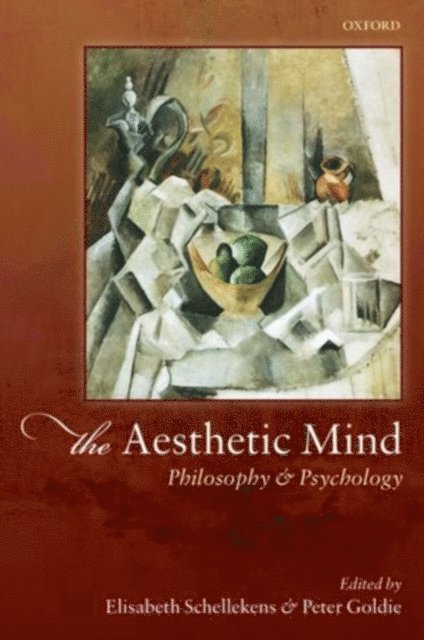
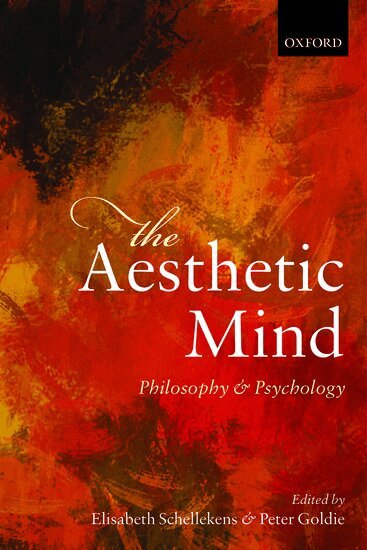
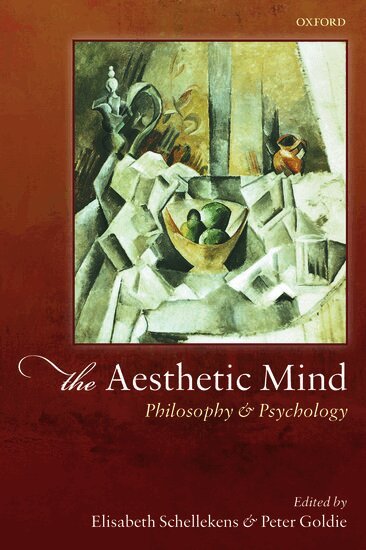
The Aesthetic Mind breaks new ground in bringing together empirical sciences and philosophy to enhance our understanding of aesthetics and the experience of art. An eminent international team of experts presents new research in philosophy, psychology, neuroscience, and social anthropology: they explore the roles of emotion, imagination, empathy, and beauty in this realm of human experience, ranging over visual and literary art, music, and dance. Among the questions discussed are: Why do we engage with things aesthetically and why do we create art? Does art or aesthetic experience have a function or functions? Which characteristics distinguish aesthetic mental states? Which skills or abilities do we put to use when we engage aesthetically with an object and how does that compare with non-aesthetic experiences? What does our ability to create art and engage aesthetically with things tell us about what it is to be a human being? This ambitious and far-reaching volume is essential reading for anyone investigating the aesthetic and the artistic.
529 kr
Skickas inom 5-8 vardagar
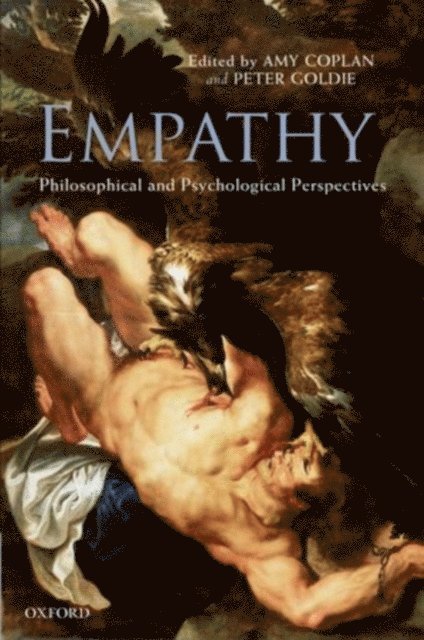
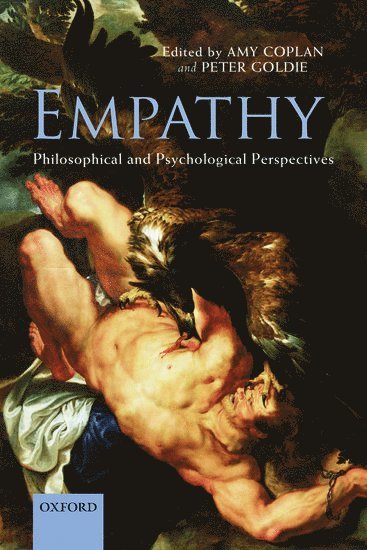
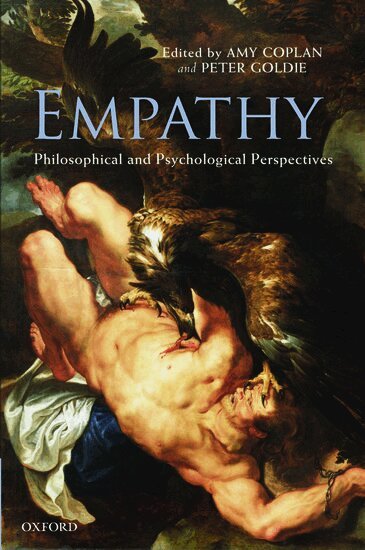
Empathy has for a long time, at least since the eighteenth century, been seen as centrally important in relation to our capacity to gain a grasp of the content of other people's minds, and predict and explain what they will think, feel, and do; and in relation to our capacity to respond to others ethically. In addition, empathy is seen as having a central role in aesthetics, in the understanding of our engagement with works of art and with fictional characters. A fuller understanding of empathy is now offered by the interaction of research in science and the humanities. Empathy: Philosophical and Psychological Perspectives draws together nineteen original chapters by leading researchers across several disciplines, together with an extensive Introduction by the editors. The individual chapters reveal how important it is, in a wide range of fields of enquiry, to bring to bear an understanding of the role of empathy in its various guises. This volume offers the ideal starting-point for the exploration of this intriguing aspect of human life.
578 kr
Skickas inom 5-8 vardagar
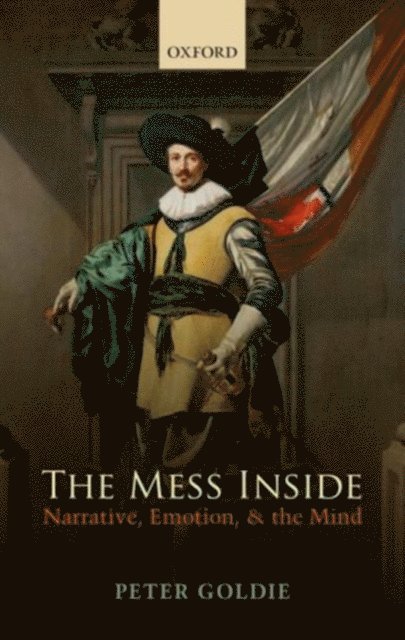
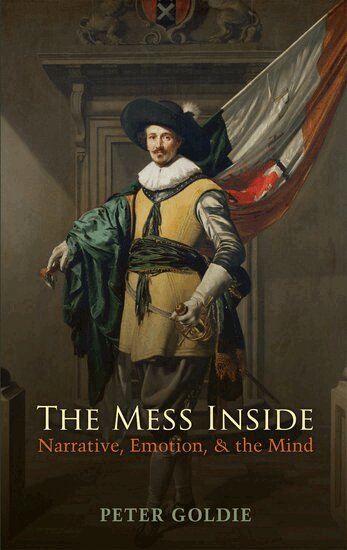
Peter Goldie explores the ways in which we think about our lives--our past, present, and future--in narrative terms. The notion of narrative is highly topical, and highly contentious, in a wide range of fields including philosophy, psychology and psychoanalysis, historical studies, and literature. The Mess Inside engages with all of these areas of discourse, and steers a path between the sceptics who are dismissive of the idea of narrative as having any worthwhile use at all, and those who argue that our very selfhood is somehow constituted by a narrative.After introducing the notion of narrative, Goldie discusses the way we engage with the past in narrative terms. This involves an exploration of the essentially perspectival nature of narrative thinking, which gains support from much recent empirical work on memory. Drawing on literary examples and on work in psychoanalysis, Goldie considers grief as a case study of this kind of narrative thinking, extending to a discussion of the crucial notion of 'closure'. Turning to narrative thinking about our future, Goldie discusses the many structural parallels between our imaginings of the future and our memories of the past, and the role of our emotions in response to what we imagine in thinking about our future in the light of our past. This is followed by a second case study--an exploration of self-forgiveness. In this ground-breaking book, Goldie supports scepticism about the idea that there is such a thing as a narrative self, but argues that having a narrative sense of self, quite distinct from any metaphysical notion of selfhood, is at the heart of what it is to think of ourselves, and others, as having a narratable past, present, and future.
1 520 kr
Skickas inom 5-8 vardagar
Peter Goldie explores the ways in which we think about our lives--our past, present, and future--in narrative terms. The notion of narrative is highly topical, and highly contentious, in a wide range of fields including philosophy, psychology and psychoanalysis, historical studies, and literature. The Mess Inside engages with all of these areas of discourse, and steers a path between the sceptics who are dismissive of the idea of narrative as having any worthwhile use at all, and those who argue that our very selfhood is somehow constituted by a narrative.After introducing the notion of narrative, Goldie discusses the way we engage with the past in narrative terms. This involves an exploration of the essentially perspectival nature of narrative thinking, which gains support from much recent empirical work on memory. Drawing on literary examples and on work in psychology, Goldie considers grief as a case study of this kind of narrative thinking, extending to a discussion of the crucial notion of 'closure'. Turning to narrative thinking about our future, Goldie discusses the many structural parallels between our imaginings of the future and our memories of the past, and the role of our emotions in response to what we imagine in thinking about our future in the light of our past. This is followed by a second case study--an exploration of self-forgiveness. In this ground-breaking book, Goldie supports scepticism about the idea that there is such a thing as a narrative self, but argues that having a narrative sense of self, quite distinct from any metaphysical notion of selfhood, is at the heart of what it is to think of ourselves, and others, as having a narratable past, present, and future.
2 369 kr
Skickas inom 7-10 vardagar
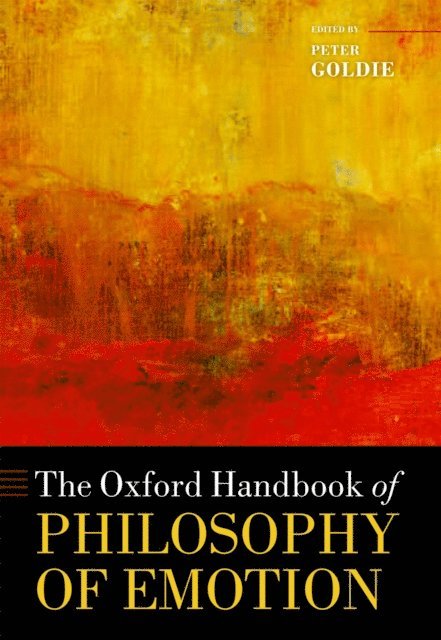
This volume contains thirty-one state-of-the-art contributions from leading figures in the study of emotion today. The volume addresses all the central philosophical issues in current emotion research, including: the nature of emotion and of emotional life; the history of emotion from Plato to Sartre; emotion and practical reason; emotion and the self; emotion, value, and morality; and emotion, art and aesthetics. Anyone interested in the philosophy of emotion, and its wide-ranging implications in other related fields such as morality and aesthetics, will want to consult this book. It will be a vital resource not only for scholars and graduate students but also for undergraduates who are finding their way into this fascinating topic.
503 kr
Skickas inom 5-8 vardagar
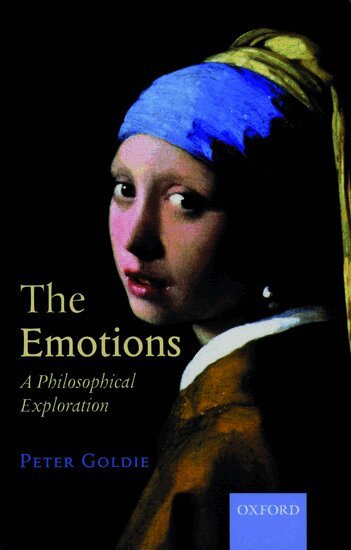
Peter Goldie opens the path to a deeper understanding of our emotional lives through a lucid philosophical exploration of this surprisingly neglected topic. He illuminates the phenomena of emotion by drawing not only on philosophy but also on literature and science. He considers the roles of culture and evolution in the development of our emotional capabilities. He examines the links between emotion, mood, and character, and places the emotions in the context of such related phenomena as consciousness, thought, feeling, and imagination. He explains how it is that we are able to make sense of our own and other people's emotions, and how we can explain the very human things which emotions lead us to do. A key theme of The Emotions is the idea of a personal perspective or point of view, contrasted with the impersonal stance of the empirical sciences. Goldie argues that it is only from the personal point of view that thoughts, reasons, feelings, and actions come into view. He suggests that there is a tendency for philosophers to over-intellectualize the emotions, and investigates how far it is possible to explain emotions in terms of rationality. Over-intellectualizing can also involve neglecting the centrality of feelings, and Goldie shows how to put them where they belong, as part of the intentionality of emotional experience, directed towards the world from a point of view. Goldie argues that the various elements of emotional experience--including thought, feeling, bodily change, and expression--are tied together in a narrative structure. To make sense of one's emotional life one has to see it as part of a larger unfolding narrative. The narrative is not simply an interpretative framework of a life: it is what that life is. Goldie concludes by applying these ideas in a close study of one particular emotion: jealousy. This fascinating book gives an accessible but penetrating exploration of a subject that is important but mysterious to all of us. Any reader interested in emotion, and its role in our understanding of our lives, will find much to think about here.
1 464 kr
Skickas inom 7-10 vardagar
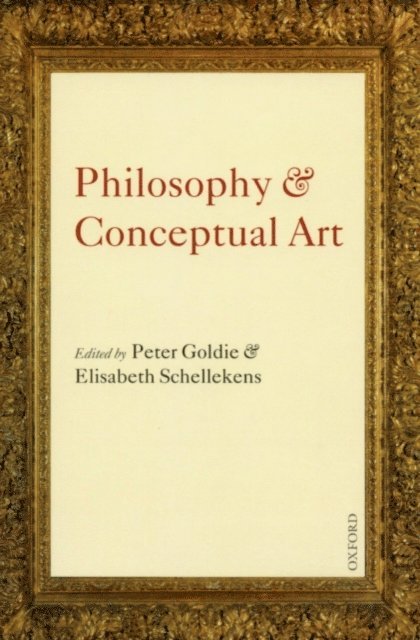
The fourteen prominent analytic philosophers writing here engage with the cluster of philosophical questions raised by conceptual art. They address four broad questions: What kind of art is conceptual art? What follows from the fact that conceptual art does not aim to have aesthetic value? What knowledge or understanding can we gain from conceptual art? How ought we to appreciate conceptual art? Conceptual art, broadly understood by the contributors as beginning with Marcel Duchamp's ready-mades and as continuing beyond the 1970s to include some of today's contemporary art, is grounded in the notion that the artist's 'idea' is central to art, and, contrary to tradition, that the material work is by no means essential to the art as such. To use the words of the conceptual artist Sol LeWitt, 'In conceptual art the idea of the concept is the most important aspect of the work . . . and the execution is a perfunctory affair'. Given this so-called 'dematerialization' of the art object, the emphasis on cognitive value, and the frequent appeal to philosophy by many conceptual artists, there are many questions that are raised by conceptual art that should be of interest to analytic philosophers. Why, then, has so little work been done in this area? This volume is most probably the first collection of papers by analytic Anglo-American philosophers tackling these concerns head-on.ContributorsMargaret Boden, Diarmuid Costello, Gregory Currie, David Davies, Peter Goldie, Robert Hopkins, Matthew Kieran, Peter Lamarque, Dominic McIver Lopes, Derek Matravers, Elisabeth Schellekens, Kathleen Stock, Carolyn Wilde, and the 'Art & Language' group.
1 304 kr
Skickas inom 5-8 vardagar
Empathy has for a long time, at least since the eighteenth century, been seen as centrally important in relation to our capacity to gain a grasp of the content of other people's minds, and predict and explain what they will think, feel, and do; and in relation to our capacity to respond to others ethically. In addition, empathy is seen as having a central role in aesthetics, in the understanding of our engagement with works of art and with fictional characters. A fuller understanding of empathy is now offered by the interaction of research in science and the humanities. Empathy: Philosophical and Psychological Perspectives draws together nineteen original chapters by leading researchers across several disciplines, together with an extensive Introduction by the editors. The individual chapters reveal how important it is, in a wide range of fields of enquiry, to bring to bear an understanding of the role of empathy in its various guises. This volume offers the ideal starting-point for the exploration of this intriguing aspect of human life.
564 kr
Skickas inom 5-8 vardagar
The analytic philosophers writing here engage with the cluster of philosophical questions raised by conceptual art. They address four broad questions: What kind of art is conceptual art? What follows from the fact that conceptual art does not aim to have aesthetic value? What knowledge or understanding can we gain from conceptual art? How ought we to appreciate conceptual art? Conceptual art, broadly understood by the contributors as beginning with Marcel Duchamp's ready-mades and as continuing beyond the 1970s to include some of today's contemporary art, is grounded in the notion that the artist's 'idea' is central to art, and, contrary to tradition, that the material work is by no means essential to the art as such. To use the words of the conceptual artist Sol LeWitt, 'In conceptual art the idea of the concept is the most important aspect of the work . . . and the execution is a perfunctory affair'. Given this so-called 'dematerialization' of the art object, the emphasis on cognitive value, and the frequent appeal to philosophy by many conceptual artists, there are many questions that are raised by conceptual art that should be of interest to analytic philosophers. Why, then, has so little work been done in this area? This volume is most probably the first collection of papers by analytic philosophers tackling these concerns head-on.
625 kr
Skickas inom 5-8 vardagar
This volume contains thirty-one state-of-the-art contributions from leading figures in the study of emotion today. The volume addresses all the central philosophical issues in current emotion research, including: the nature of emotion and of emotional life; the history of emotion from Plato to Sartre; emotion and practical reason; emotion and the self; emotion, value, and morality; and emotion, art and aesthetics. Anyone interested in the philosophy of emotion, and its wide-ranging implications in other related fields such as morality and aesthetics, will want to consult this book. It will be a vital resource not only for scholars and graduate students but also for undergraduates who are finding their way into this fascinating topic.
2 442 kr
Skickas inom 3-6 vardagar
The Aesthetic Mind breaks new ground in bringing together empirical sciences and philosophy to enhance our understanding of aesthetics and the experience of art. An eminent international team of experts presents new research in philosophy, psychology, neuroscience, and social anthropology: they explore the roles of emotion, imagination, empathy, and beauty in this realm of human experience, ranging over visual and literary art, music, and dance. Among the questions discussed are: Why do we engage with things aesthetically and why do we create art? Does art or aesthetic experience have a function or functions? Which characteristics distinguish aesthetic mental states? Which skills or abilities do we put to use when we engage aesthetically with an object and how does that compare with non-aesthetic experiences? What does our ability to create art and engage aesthetically with things tell us about what it is to be a human being? This ambitious and far-reaching volume is essential reading for anyone investigating the aesthetic and the artistic.
1 978 kr
Skickas inom 10-15 vardagar
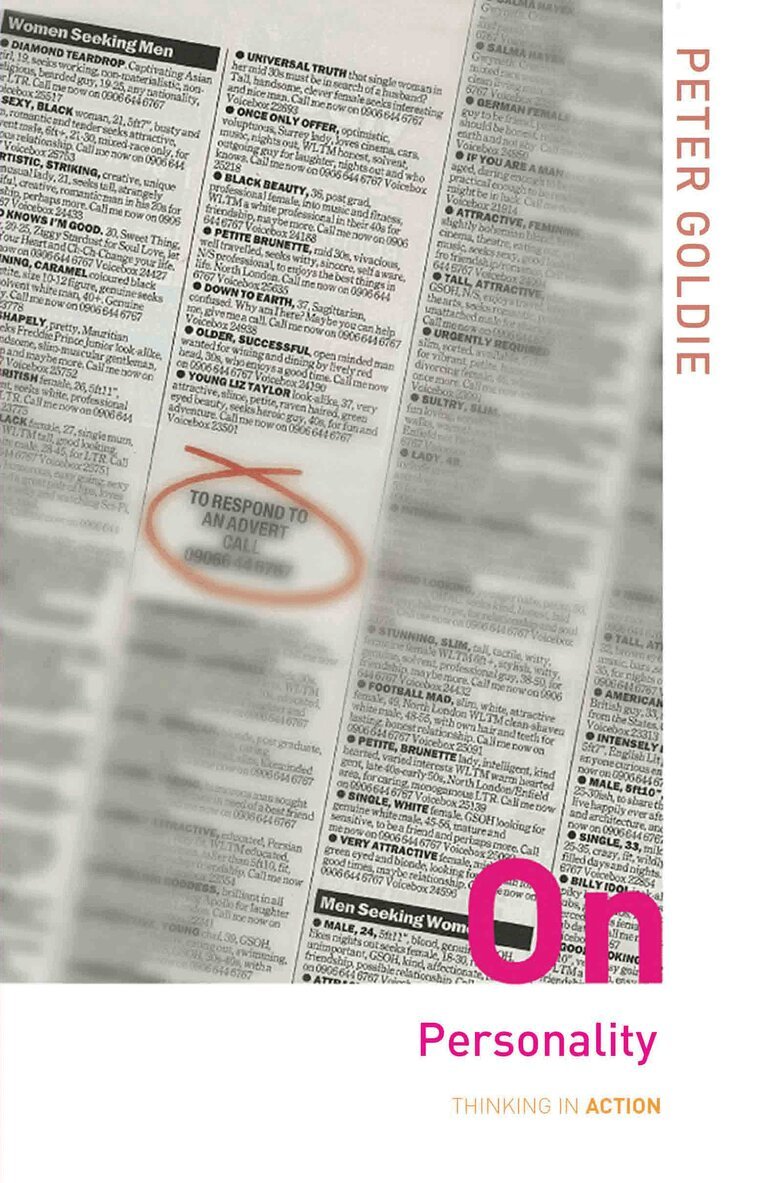
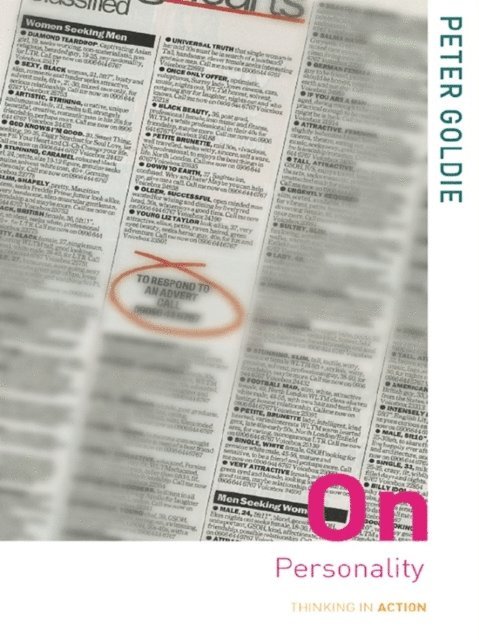
Warm, sensitive, creative, outgoing, cheeky, creepy. Scan any personal ads page and it's clear that to get a life you need a personality first. It is also a notion with a long and often bizarre history: in early Greece and medieval Europe, it was thought to depend on the balance of bile in the body. On Personality is a thoughtful and stimulating look under the skin of this widely-used but little understood phenomenon. Peter Goldie points out that we rely on personality to do a lot of work: describe, judge, understand, explain and predict others as well as ourselves. Is it really up to this task? If personality is about 'character', is it a relic of a bygone Victorian age? If personality is so reliable, how can a virtue in one person be a vice in another?Drawing on a great range of philosophers, novelists and films, from Aristotle, Hume, Kant and Nietzsche to Joseph Conrad, Middlemarch, War and Peace and Bridget Jones' Diary, Peter Goldie also discusses some famous psychology experiments. If personality is a reliable guide to predicting what people will do, he reflects on why people often surprise us and asks whether personality is simply down to chance and circumstance. On Personality is essential reading for anyone interested in this fascinating but slippery concept. It will also make you think twice before writing your CV.
352 kr
Skickas inom 10-15 vardagar
Warm, sensitive, creative, outgoing, cheeky, creepy. Scan any personal ads page and it's clear that to get a life you need a personality first. It is also a notion with a long and often bizarre history: in early Greece and medieval Europe, it was thought to depend on the balance of bile in the body. On Personality is a thoughtful and stimulating look under the skin of this widely-used but little understood phenomenon. Peter Goldie points out that we rely on personality to do a lot of work: describe, judge, understand, explain and predict others as well as ourselves. Is it really up to this task? If personality is about 'character', is it a relic of a bygone Victorian age? If personality is so reliable, how can a virtue in one person be a vice in another?Drawing on a great range of philosophers, novelists and films, from Aristotle, Hume, Kant and Nietzsche to Joseph Conrad, Middlemarch, War and Peace and Bridget Jones' Diary, Peter Goldie also discusses some famous psychology experiments. If personality is a reliable guide to predicting what people will do, he reflects on why people often surprise us and asks whether personality is simply down to chance and circumstance. On Personality is essential reading for anyone interested in this fascinating but slippery concept. It will also make you think twice before writing your CV.
2 103 kr
Skickas inom 10-15 vardagar
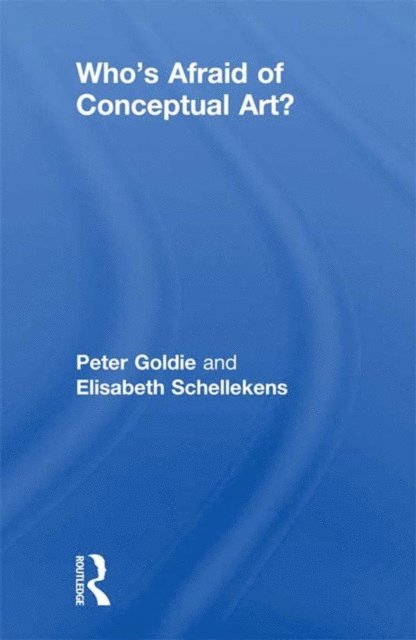
What is conceptual art? Is it really a kind of art in its own right? Is it clever – or too clever?Of all the different art forms it is perhaps conceptual art which at once fascinates and infuriates the most. In this much-needed book Peter Goldie and Elisabeth Schellekens demystify conceptual art using the sharp tools of philosophy. They explain how conceptual art is driven by ideas rather than the manipulation of paint and physical materials; how it challenges the very basis of what we can know about art, as well as our received ideas of beauty; and why conceptual art requires us to rethink concepts fundamental to art and aesthetics, such as artistic interpretation and appreciation.Including helpful illustrations of the work of celebrated conceptual artists from Marcel Duchamp, Joseph Kosuth and Piero Manzoni to Dan Perjovschi and Martin Creed, Who’s Afraid of Conceptual Art? is a superb starting point for anyone intrigued but perplexed by conceptual art - and by art in general. It will be particularly helpful to students of philosophy, art and visual studies seeking an introduction not only to conceptual art but fundamental topics in art and aesthetics.
567 kr
Skickas inom 10-15 vardagar
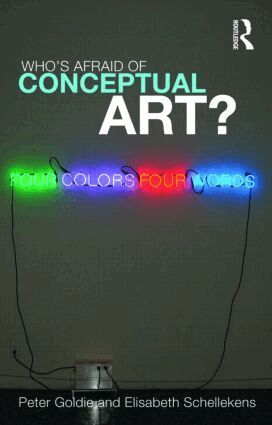
What is conceptual art? Is it really a kind of art in its own right? Is it clever – or too clever?Of all the different art forms it is perhaps conceptual art which at once fascinates and infuriates the most. In this much-needed book Peter Goldie and Elisabeth Schellekens demystify conceptual art using the sharp tools of philosophy. They explain how conceptual art is driven by ideas rather than the manipulation of paint and physical materials; how it challenges the very basis of what we can know about art, as well as our received ideas of beauty; and why conceptual art requires us to rethink concepts fundamental to art and aesthetics, such as artistic interpretation and appreciation.Including helpful illustrations of the work of celebrated conceptual artists from Marcel Duchamp, Joseph Kosuth and Piero Manzoni to Dan Perjovschi and Martin Creed, Who’s Afraid of Conceptual Art? is a superb starting point for anyone intrigued but perplexed by conceptual art - and by art in general. It will be particularly helpful to students of philosophy, art and visual studies seeking an introduction not only to conceptual art but fundamental topics in art and aesthetics.
635 kr
Skickas inom 10-15 vardagar
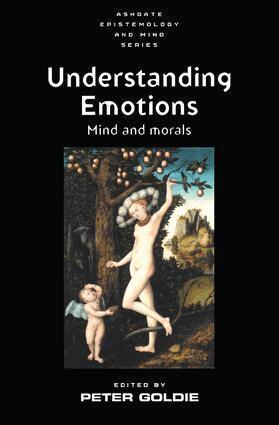
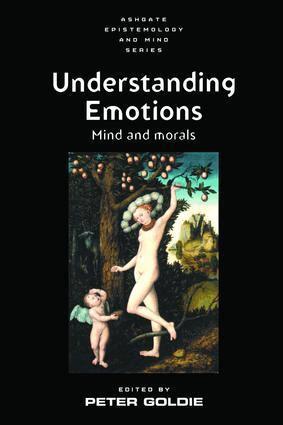
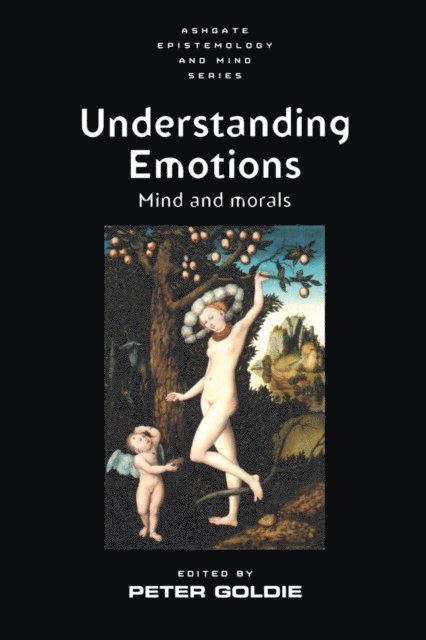
Understanding Emotions presents eight original essays on the emotions from leading contemporary philosophers in North America and the U.K: Simon Blackburn, Bill Brewer, Peter Goldie, Dan Hutto, Adam Morton, Michael Stocker, Barry Smith, and Finn Spicer. Goldie and Spicer's introductory chapter sets out the key themes of the ensuing chapters: surveying contemporary philosophical thinking about the emotions, and raising challenges to a number of prejudices that are sometimes brought to the topic from elsewhere in the philosophy of mind and moral philosophy. Brewer, Hutto, Goldie and Smith explore the conceptual and epistemological problems of other minds that the emotions raise, and how the emotions can be a source of knowledge of the world around us. The chapters by Stocker, Blackburn and Morton are broadly concerned with issues in morality: Stocker argues for the traditional Aristotelian view that emotions reveal value and are constitutive of value; Blackburn, from a more Augustinian perspective, argues that the virtuous person, like the rest of us, will be emotional but he or she will have the right emotions towards the right objects; Morton questions the idea of emotions and narrative as sources of self-understanding. An extensive bibliography completes the book. Drawing together the arguments of leading contemporary philosophers, focusing on issues in the philosophy of mind, epistemology and moral philosophy, this book offers a wide and deep understanding of the emotions, and will be of interest across the philosophical spectrum to students and researchers of this fascinating and important topic.
2 711 kr
Skickas inom 10-15 vardagar
Understanding Emotions presents eight original essays on the emotions from leading contemporary philosophers in North America and the U.K: Simon Blackburn, Bill Brewer, Peter Goldie, Dan Hutto, Adam Morton, Michael Stocker, Barry Smith, and Finn Spicer. Goldie and Spicer's introductory chapter sets out the key themes of the ensuing chapters: surveying contemporary philosophical thinking about the emotions, and raising challenges to a number of prejudices that are sometimes brought to the topic from elsewhere in the philosophy of mind and moral philosophy. Brewer, Hutto, Goldie and Smith explore the conceptual and epistemological problems of other minds that the emotions raise, and how the emotions can be a source of knowledge of the world around us. The chapters by Stocker, Blackburn and Morton are broadly concerned with issues in morality: Stocker argues for the traditional Aristotelian view that emotions reveal value and are constitutive of value; Blackburn, from a more Augustinian perspective, argues that the virtuous person, like the rest of us, will be emotional but he or she will have the right emotions towards the right objects; Morton questions the idea of emotions and narrative as sources of self-understanding. An extensive bibliography completes the book. Drawing together the arguments of leading contemporary philosophers, focusing on issues in the philosophy of mind, epistemology and moral philosophy, this book offers a wide and deep understanding of the emotions, and will be of interest across the philosophical spectrum to students and researchers of this fascinating and important topic.
376 kr
Tillfälligt slut
This title was first published in 2002: At the end of the 20th century, the emotions ceased to be a neglected topic for philosophical consideration. The editor suggests that this may, in part, be due to a change in the way the subject is approached. The emotions were characteristically thought of by philosophers as states which give rise to perturbation in what might roughly be called "right-thinking". The basic idea was that practical reasoning, like theoretical reasoning, ought to be, and can be, dispassionate. This means that either the emotions interfere with "right-reasoning" in a way which is a proper object of study for the biological sciences but not for the science of the mind, or that the emotions become reducible to, and analyzable as, collections of propositional attitudes which are themselves assessable in terms of "right-reasoning".
1 128 kr
Tillfälligt slut
This title was first published in 2002: At the end of the 20th century, the emotions ceased to be a neglected topic for philosophical consideration. The editor suggests that this may, in part, be due to a change in the way the subject is approached. The emotions were characteristically thought of by philosophers as states which give rise to perturbation in what might roughly be called "right-thinking". The basic idea was that practical reasoning, like theoretical reasoning, ought to be, and can be, dispassionate. This means that either the emotions interfere with "right-reasoning" in a way which is a proper object of study for the biological sciences but not for the science of the mind, or that the emotions become reducible to, and analyzable as, collections of propositional attitudes which are themselves assessable in terms of "right-reasoning". The move away from this idea is taken as an improvement in our philosophical approach to the emotions by the authors. Following this, all of the papers in the volume contribute to this philosophical approach, each approaching the subject from a different angle.