
Peter HaldA(c)n – författare
925 kr
Läs direkt efter köp
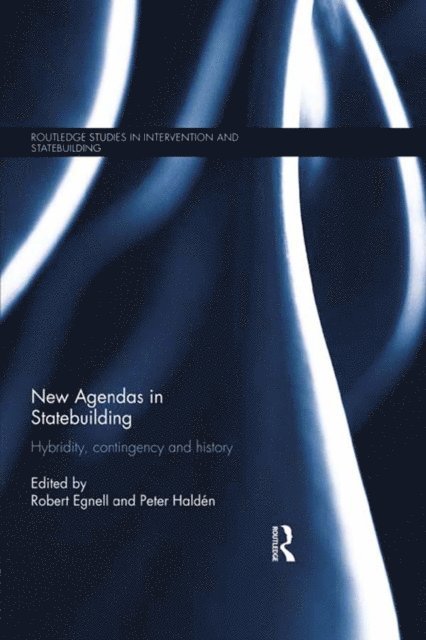
This volume connects the study of statebuilding to broader aspects of social theory and the historical study of the state, bringing forth new questions and starting-points, both academically and practically, for the field.
Building states has become a highly prioritized issue in international politics. Since the 1990s, mainly Western countries and international institutions have invested large sums of money, vast amounts of manpower, and considerable political capital in ventures of this kind all across the globe. Most of the focus in current literature is on the acute cases, such as Afghanistan and Iraq, but also to states that seem to fit the label ‘failed states’ such as Liberia, Sierra Leone and Somalia.
This book brings together a diverse group of scholars who introduce new theoretical approaches from the broader social sciences. The chapters revisit historical cases of statebuilding, and provide thought-provoking, new strategic perspectives on the field. The result is a volume that broadens and deepens our understanding of statebuilding by highlighting the importance of hybridity, contingency and history in a broad range of case-studies.
This book will be of much interest to students of statebuilding and intervention, peacebuilding, war and conflict studies, security studies and IR in general.
925 kr
Läs direkt efter köp
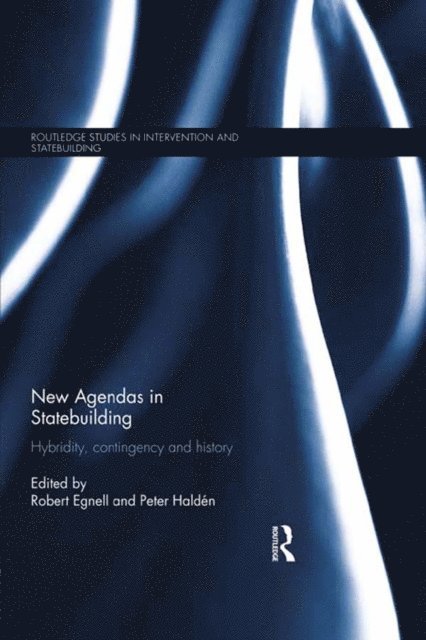
This volume connects the study of statebuilding to broader aspects of social theory and the historical study of the state, bringing forth new questions and starting-points, both academically and practically, for the field.
Building states has become a highly prioritized issue in international politics. Since the 1990s, mainly Western countries and international institutions have invested large sums of money, vast amounts of manpower, and considerable political capital in ventures of this kind all across the globe. Most of the focus in current literature is on the acute cases, such as Afghanistan and Iraq, but also to states that seem to fit the label ‘failed states’ such as Liberia, Sierra Leone and Somalia.
This book brings together a diverse group of scholars who introduce new theoretical approaches from the broader social sciences. The chapters revisit historical cases of statebuilding, and provide thought-provoking, new strategic perspectives on the field. The result is a volume that broadens and deepens our understanding of statebuilding by highlighting the importance of hybridity, contingency and history in a broad range of case-studies.
This book will be of much interest to students of statebuilding and intervention, peacebuilding, war and conflict studies, security studies and IR in general.
774 kr
Läs direkt efter köp
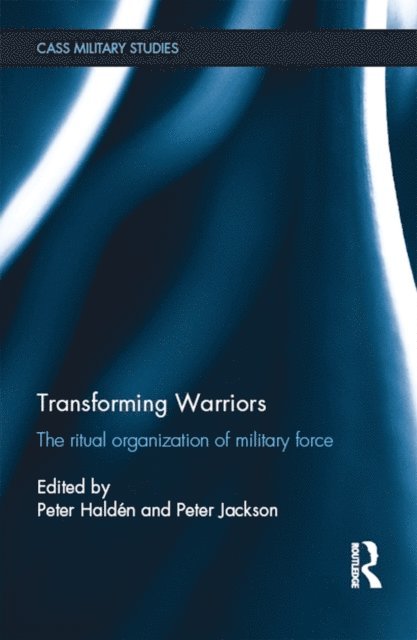
This volume offers an interdisciplinary study of how different cultures have sought to transform individuals into warriors.
War changes people, however a less explored question is how different societies want people to change as they are turned into warriors. When societies go to war they recognize that a boundary is being crossed. The participants are expected to do things that are otherwise prohibited, or at least governed by different rules. This edited volume analyses how different cultures have conceptualized the transformations of an individual passing from a peacetime to a wartime existence to become an active warrior. Despite their differences, all societies grapple with the same question: how much of the individual’s peace-self should be and can be retained in the state of war? The book explores cases such as the Nordic berserkers, the Japanese samurai, and European knights, as well as modern soldiers in Germany, Liberia, and Sweden. It shows that archaic and modern societies are more similar than we usually think: both kinds of societies use myths, symbols, and rituals to create warriors. Thus, this volume seeks to redefine theories of modernization and secularization. It shows that military organizations need to take myths, symbols, and rituals seriously in order to create effective units.
This book will be of much interest to students of military studies, war studies, sociology, religion, and international relations in general.
774 kr
Läs direkt efter köp
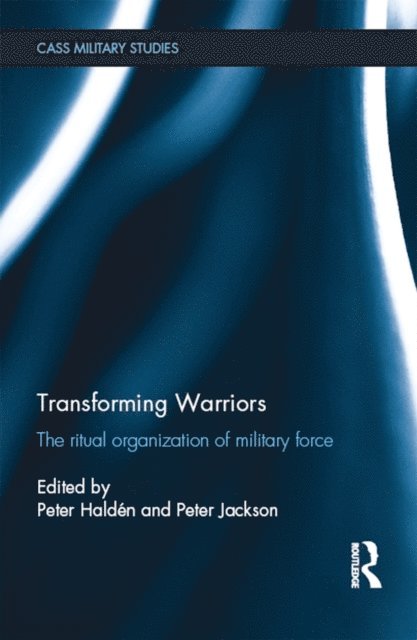
This volume offers an interdisciplinary study of how different cultures have sought to transform individuals into warriors.
War changes people, however a less explored question is how different societies want people to change as they are turned into warriors. When societies go to war they recognize that a boundary is being crossed. The participants are expected to do things that are otherwise prohibited, or at least governed by different rules. This edited volume analyses how different cultures have conceptualized the transformations of an individual passing from a peacetime to a wartime existence to become an active warrior. Despite their differences, all societies grapple with the same question: how much of the individual’s peace-self should be and can be retained in the state of war? The book explores cases such as the Nordic berserkers, the Japanese samurai, and European knights, as well as modern soldiers in Germany, Liberia, and Sweden. It shows that archaic and modern societies are more similar than we usually think: both kinds of societies use myths, symbols, and rituals to create warriors. Thus, this volume seeks to redefine theories of modernization and secularization. It shows that military organizations need to take myths, symbols, and rituals seriously in order to create effective units.
This book will be of much interest to students of military studies, war studies, sociology, religion, and international relations in general.