
Häftad, Engelska, 2003
253 kr
Skickas inom 5-8 vardagar
253 kr
Skickas inom 5-8 vardagar
253 kr
Skickas inom 5-8 vardagar
124 kr
Läs direkt efter köp
Premise: From newborn infants to dying adults, we all communicate to reduce local discomforts - i.e. to "fill current needs." Doing that promotes satisfaction. Anything you do that causes a significant emotional-spiritual-physical-mental change in another person can be called communication. Its impossible to "not communicate" with other people, for silence and inactivity cause reactions and presumed meanings.
The quality of your life and key relationships depends largely on the effectiveness of the way you communicate - yet you probably dont know what you need to know about this vital life skill. To reality check that, mull these five challenges:
1) Name a learned skill that you rely on more often than communicating to get your key needs met. Note that thinking is internal communication.
2) How do you distinguish between effective and ineffective communication? If youre not sure, how can you tell if youre communicating effectively in important situations?"
3) On a scale of 1 (totally ineffective) to 10 (totally effective), generally how effective a communicator would you rate yourself in calm times __ and in conflicts __ recently?
4) Identify the five most important people in your current life. From 1 to 10, how effective would you rate yourself in your communication with each of them in calm __ and conflictual __ times? How effective would each of them rate you?
5) Take your time, and see how well you dowith this communication quiz. Then return.
Would you like to improve your communication effectiveness with others and yourself?
Seven Essential Skills
This unique guidebook describes and illustrates seven vital communication skills that any motivated person can learn, with practice. They are:
Awareness
Clear thinking,
Digging down,
Effective assertion,
Metatalking (talking cooperatively about communication),
124 kr
Läs direkt efter köp
Note - links below will take you articles and resources in the nonprofit Break the Cycle! Web site (formerly "Stepfamily inFormation"). Use your browsers "back" button to return to Xlibris.com.
Love is not enough...
Typical new stepparents and bioparents (co-parents) usually find that building a multi-home stepfamily is unexpectedly confusing and conflictual. Most recent stepfamily literature estimates that over half of American co-parents who attempt re/marriage after divorce or mate death ultimately re/divorce psychologically or legally - despite their love, maturity, commitment, and experience. The "/" notes that it may be a stepparents first union.
Thisunique guidebook results from 27 years research into why so many U.S. couples re/divorce. It appears that there are five factors that combine to often defeat loves brightest dreams:
unseen psychological wounds from childhood in stepfamily adults and kids, and...
blocked grief from two or three major sets of losses in some co-parents and/or stepkids; and...
co-parent unawareness of (a) their inner family of subselves and related psychological wounds; (b) healthy grieving basics; (c) vital parenting and relationship skills and (d) stepfamily realities; and...
These factors and high neediness causing one or both partners to commit to wounded, unaware people (mate + ex mate + stepkids), for the wrong reasons, at the wrong time; and...
Little informed co-parent support available in the media and their community.
My work as a stepfamily therapist since 1981 suggests that courting and re/married partners can work patiently at 12 Projects together to overcome these five re/marital hazards and forge a strong, nourishing re/marriage
124 kr
Läs direkt efter köp
Note: hyperlinks below will take you to the Break the Cycle! Website (formerly "Stepfamily inFormation") that this book and series are based on. Use your browsers "back" button to return to Xlibris.
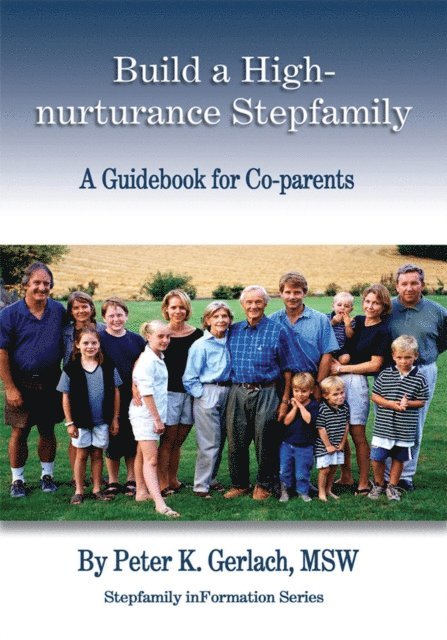
This is the fourth volume in a series of six dedicated to breaking the epidemic [wounds + unawareness] cycle that promotes Americas tragic divorce divorce epidemic. The prior volume, Stepfamily Courtship (Xlibris.com, 2002), outlines seven Projects to help courting couples make wise commitment decisions.
This book for stepfamily coparents and supporters adds five more projects based on the prior seven ones. If couples didnt do the prior projects (which is common), they can start the first six any time. A sobering reality: if either partner made any unwise courtship choices, its unlikely that doing these other 11 Projects will guard them and their dependents from the five hazards that promote psychological or legal re/divorce. Nonetheless, working at the the projects will give minor kids their best chance at avoiding inherited psychological wounds, and passing them on to their descendents like their unaware ancestors did.
The five post-re/wedding co-parenting projects are:
8) Nourish your re/marriage and steadily keep it your second priority, after personal integrity and wholistic health - except in emrgencies. In complex multi-home stepfamilies this is hard for many couples to do; as they
9) Merge three or more multi-generational biofamilies, and evolve strategies to resolve inevitable values and loyalty conflicts and Persecutor-Victim-Rescuer relationship triangles; while you
10) (a) Build a co-parenting team with your kids other parents, (b) stay current on your kids progress with their many developmental and adjustment needs, and (c) continually adjust and refine your co-parenting job descriptions based on your stepfamily mission statement. Because all nine of these ongoing co-parent projects are complex, confusing, and conflictual
11) Intentionally build a support network for you and your kids, and use it regularly. Finally
12) Help each other (a) stay balanced personally, re/maritally, and co-parentally each day, and (b) enjoy this wholechallenging, en
124 kr
Läs direkt efter köp
Note: links below connect to the non-profit educational Break the Cycle! Web site (Formerly "Stepfamily inFormation"). Close the pages or use your browsers "back" button to return here.
Typical multi-home stepfamilies are riddled with conflicts between three or more co-parents and their relatives over child discipline, nutrition, visitations, custody, hygiene, religion, schooling, hoidays, loyalties, expenses, names, responsibilities, and other topics. The scope, complexity, and persistence of these disputes among ex mates, stepparents, and relatives can significantly contribute to eventual re/divorce. (The "/" notes it may be a stepparents first union).
Thisguidebook is part of a series intended to help co-parents and supporters overcome five common hazards that combine to (1) promote epidemic U.S. re/divorce, and (2) pass on significant psychologicalwounds to vulnerable children. The hazards are:
co-parents shared unawarenesses and ignorance of key information; plus...
unseen psychological wounds from low-nurturance childhoods; plus...
incomplete or blocked grief in kids and/or adults, which inhibits new bonds and adult intimacy; plus...
courtship neediness and romantic illusions; plus...
little informed stepfamily help in the media and local community.
Typical nuclear stepfamilies include three or more co-parents (bioparents and stepparents) and several minor kids shuttling between two or more homes:
Parenting effectively in this environment is far more complex than in "traditional" intact biological families - which catches typical co-parents and relatives by surprise.
Why this book (and series)? Families exist to nurture - i.e. to fill key needs of their kids and adults. Most U.S. stepfamilies follow the divorce of one or both new mates, most of whom are parents. Divorce suggests that their kids werent well nurtured in their first family, and have many concurrent developmental + special needs to fill in their complex stepfamily.
253 kr
Skickas inom 5-8 vardagar
253 kr
Skickas inom 5-8 vardagar
124 kr
Läs direkt efter köp
Premise: From newborn infants to dying adults, we all communicate to reduce local discomforts - i.e. to "fill current needs." Doing that promotes satisfaction. Anything you do that causes a significant emotional-spiritual-physical-mental change in another person can be called communication. Its impossible to "not communicate" with other people, for silence and inactivity cause reactions and presumed meanings.
The quality of your life and key relationships depends largely on the effectiveness of the way you communicate - yet you probably dont know what you need to know about this vital life skill. To reality check that, mull these five challenges:
1) Name a learned skill that you rely on more often than communicating to get your key needs met. Note that thinking is internal communication.
2) How do you distinguish between effective and ineffective communication? If youre not sure, how can you tell if youre communicating effectively in important situations?"
3) On a scale of 1 (totally ineffective) to 10 (totally effective), generally how effective a communicator would you rate yourself in calm times __ and in conflicts __ recently?
4) Identify the five most important people in your current life. From 1 to 10, how effective would you rate yourself in your communication with each of them in calm __ and conflictual __ times? How effective would each of them rate you?
5) Take your time, and see how well you dowith this communication quiz. Then return.
Would you like to improve your communication effectiveness with others and yourself?
Seven Essential Skills
This unique guidebook describes and illustrates seven vital communication skills that any motivated person can learn, with practice. They are:
Awareness
Clear thinking,
Digging down,
Effective assertion,
Metatalking (talking cooperatively about communication),
124 kr
Läs direkt efter köp
Note - links below will take you articles and resources in the nonprofit Break the Cycle! Web site (formerly "Stepfamily inFormation"). Use your browsers "back" button to return to Xlibris.com.
Love is not enough...
Typical new stepparents and bioparents (co-parents) usually find that building a multi-home stepfamily is unexpectedly confusing and conflictual. Most recent stepfamily literature estimates that over half of American co-parents who attempt re/marriage after divorce or mate death ultimately re/divorce psychologically or legally - despite their love, maturity, commitment, and experience. The "/" notes that it may be a stepparents first union.
Thisunique guidebook results from 27 years research into why so many U.S. couples re/divorce. It appears that there are five factors that combine to often defeat loves brightest dreams:
unseen psychological wounds from childhood in stepfamily adults and kids, and...
blocked grief from two or three major sets of losses in some co-parents and/or stepkids; and...
co-parent unawareness of (a) their inner family of subselves and related psychological wounds; (b) healthy grieving basics; (c) vital parenting and relationship skills and (d) stepfamily realities; and...
These factors and high neediness causing one or both partners to commit to wounded, unaware people (mate + ex mate + stepkids), for the wrong reasons, at the wrong time; and...
Little informed co-parent support available in the media and their community.
My work as a stepfamily therapist since 1981 suggests that courting and re/married partners can work patiently at 12 Projects together to overcome these five re/marital hazards and forge a strong, nourishing re/marriage
124 kr
Läs direkt efter köp
Note: hyperlinks below will take you to the Break the Cycle! Website (formerly "Stepfamily inFormation") that this book and series are based on. Use your browsers "back" button to return to Xlibris.
This is the fourth volume in a series of six dedicated to breaking the epidemic [wounds + unawareness] cycle that promotes Americas tragic divorce divorce epidemic. The prior volume, Stepfamily Courtship (Xlibris.com, 2002), outlines seven Projects to help courting couples make wise commitment decisions.
This book for stepfamily coparents and supporters adds five more projects based on the prior seven ones. If couples didnt do the prior projects (which is common), they can start the first six any time. A sobering reality: if either partner made any unwise courtship choices, its unlikely that doing these other 11 Projects will guard them and their dependents from the five hazards that promote psychological or legal re/divorce. Nonetheless, working at the the projects will give minor kids their best chance at avoiding inherited psychological wounds, and passing them on to their descendents like their unaware ancestors did.
The five post-re/wedding co-parenting projects are:
8) Nourish your re/marriage and steadily keep it your second priority, after personal integrity and wholistic health - except in emrgencies. In complex multi-home stepfamilies this is hard for many couples to do; as they
9) Merge three or more multi-generational biofamilies, and evolve strategies to resolve inevitable values and loyalty conflicts and Persecutor-Victim-Rescuer relationship triangles; while you
10) (a) Build a co-parenting team with your kids other parents, (b) stay current on your kids progress with their many developmental and adjustment needs, and (c) continually adjust and refine your co-parenting job descriptions based on your stepfamily mission statement. Because all nine of these ongoing co-parent projects are complex, confusing, and conflictual
11) Intentionally build a support network for you and your kids, and use it regularly. Finally
12) Help each other (a) stay balanced personally, re/maritally, and co-parentally each day, and (b) enjoy this wholechallenging, en
124 kr
Läs direkt efter köp
Note: links below connect to the non-profit educational Break the Cycle! Web site (Formerly "Stepfamily inFormation"). Close the pages or use your browsers "back" button to return here.
Typical multi-home stepfamilies are riddled with conflicts between three or more co-parents and their relatives over child discipline, nutrition, visitations, custody, hygiene, religion, schooling, hoidays, loyalties, expenses, names, responsibilities, and other topics. The scope, complexity, and persistence of these disputes among ex mates, stepparents, and relatives can significantly contribute to eventual re/divorce. (The "/" notes it may be a stepparents first union).
Thisguidebook is part of a series intended to help co-parents and supporters overcome five common hazards that combine to (1) promote epidemic U.S. re/divorce, and (2) pass on significant psychologicalwounds to vulnerable children. The hazards are:
co-parents shared unawarenesses and ignorance of key information; plus...
unseen psychological wounds from low-nurturance childhoods; plus...
incomplete or blocked grief in kids and/or adults, which inhibits new bonds and adult intimacy; plus...
courtship neediness and romantic illusions; plus...
little informed stepfamily help in the media and local community.
Typical nuclear stepfamilies include three or more co-parents (bioparents and stepparents) and several minor kids shuttling between two or more homes:
Parenting effectively in this environment is far more complex than in "traditional" intact biological families - which catches typical co-parents and relatives by surprise.
Why this book (and series)? Families exist to nurture - i.e. to fill key needs of their kids and adults. Most U.S. stepfamilies follow the divorce of one or both new mates, most of whom are parents. Divorce suggests that their kids werent well nurtured in their first family, and have many concurrent developmental + special needs to fill in their complex stepfamily.