Peter London – författare
Visar alla böcker från författaren . Handla med fri frakt och snabb leverans.
5 produkter
5 produkter
E-bok
Engelska, 1989287 kr
Läs direkt efter köp
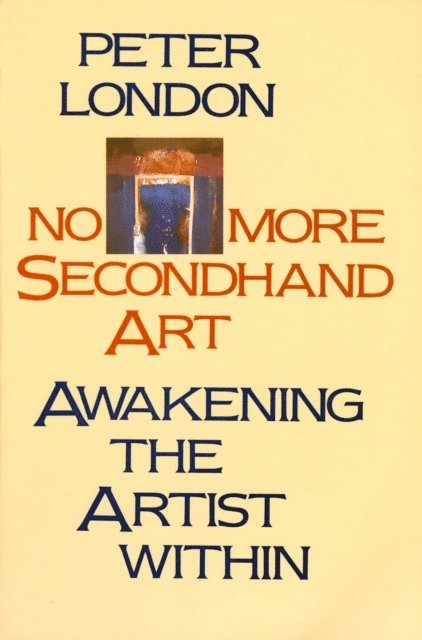
This book is about using art as an instrument of personal transformation, enabling us to move from an inherited to a chosen state of being. Peter London offers inspiration and fresh ideas to artists, art students, and art teachers—as well as to people who think they can''t draw a straight line but want to explore the joys of creative expression. Inside every person, he believes, there is an original, creative self that has been covered over by secondhand ideas, borrowed beliefs, and conditioned behavior. By freeing the capacity for visual expression—a natural human language possessed by everyone—we can awaken and release the full powers of that original self. Among the topics and exercises included are: • How to increase the ability to visualize, fantasize, and dream • Obstacles to the creative encounter and what to do about them • Experimenting with art media as true mediators between imagination and expression • Making masks to reveal the hidden self • Painting with "forbidden" colors • Arranging found objects as metaphors for one''s life
Häftad, Engelska, 2011
53 kr
Skickas
Häftad, Engelska, 2003
239 kr
Skickas inom 5-8 vardagar
Häftad, Engelska, 2000
129 kr
Tillfälligt slut
The first flights from Cornish soil were made at Penzance on 23 July 1910 by pioneer airman Claude Grahame-White, who brought his Farman down to Penwith by train. In the years since then the skies above Cornwall have been home to many aircraft, both military and civil. During the First World War airship and flying-boat stations were established in Cornwall to combat Imperial Germany's U-boats. This military activity gave way to displays of aerobatics and joy-riding in the inter-war years, although such entertainment lost its appeal as the public grew accustomed to seeing aeroplanes in flight. During the 1930s the first airlines serving Cornwall appeared. The outbreak of the Second World War brought military aircraft back to Cornwall, as many new airfields were established. Raiders flew from Cornwall to attack the French coast, night-fighters had stations in the county, and ferry flights were made as far as North Africa. After the war, activity slowed, although some airfields did remain open. The military still use Cornwall, mostly for training. In the years since 1960 there has been great growth in aviation in Cornwall, and several original aircraft types have been built in the county. In Cornish Skies charts the history of the Cornwall airfields and contains over 200 photographs with detailed captions. It will appeal to anyone with an interest in aviation history, as well as to those familiar with the county and its people.
Häftad, Engelska, 2011
228 kr
Tillfälligt slut
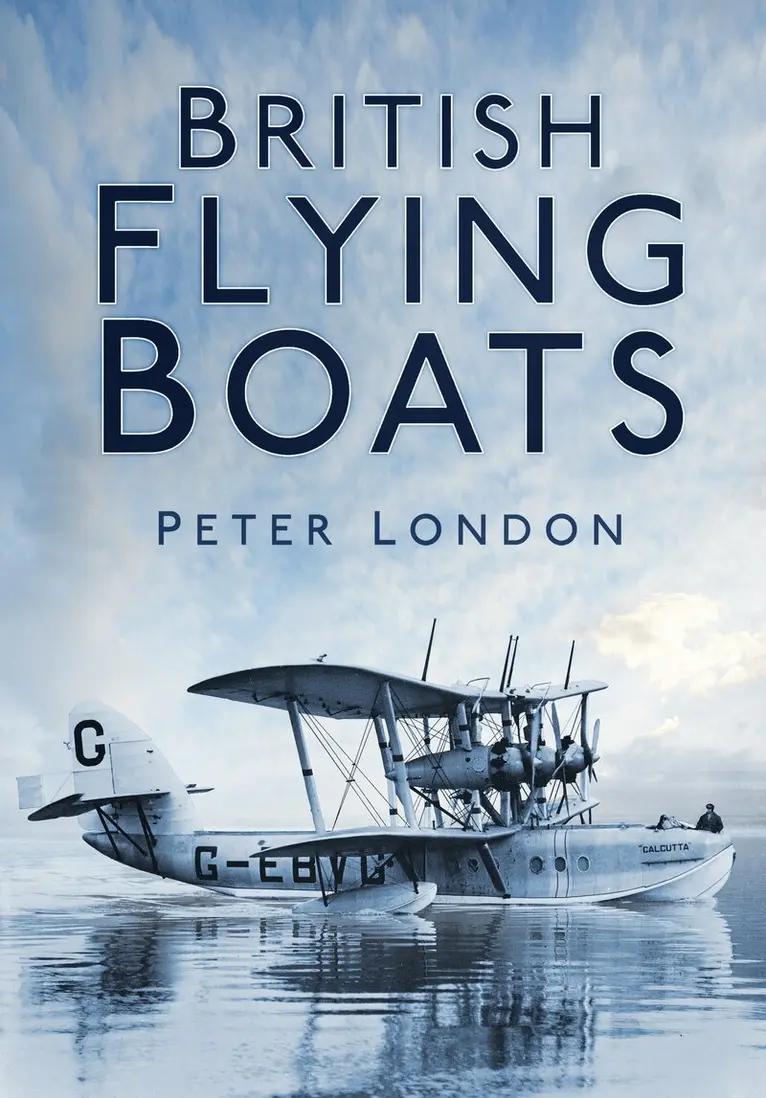
The flying boat is a unique form of aircraft, with the ability to operate from sea or river and, in amphibian form, from land too. Over 100 types of British flying boat and amphibian were built during a 40-year period from the days of the pioneer airmen to the advent of the jet engine. Early attempts at flying from water were sometimes fraught, but during the First World War the practical military flying boat was steadily developed, serving with the Royal Naval Air Service as an important component in the campaigns waged against the naval forces of Imperial Germany - particularly her U-Boats. The inter-war period witnessed the growth in prominence of civil flying boats as commercial air routes became established worldwide. Light civilian flying boats were produced for use by private owners and modest operators, while the military flying boats of the RAF were many and varied. During the Second World War the flying boat defended Britain's sea routes around the globe with great success, and British examples were also employed by many of the Allied nations. Yet after the war, the type faded from widespread use and, despite resistance from enthusiasts, by the mid-1950s they had all but disappeared.