Peter M Slowe – författare
Visar alla böcker från författaren Peter M Slowe. Handla med fri frakt och snabb leverans.
3 produkter
3 produkter
840 kr
Kommande
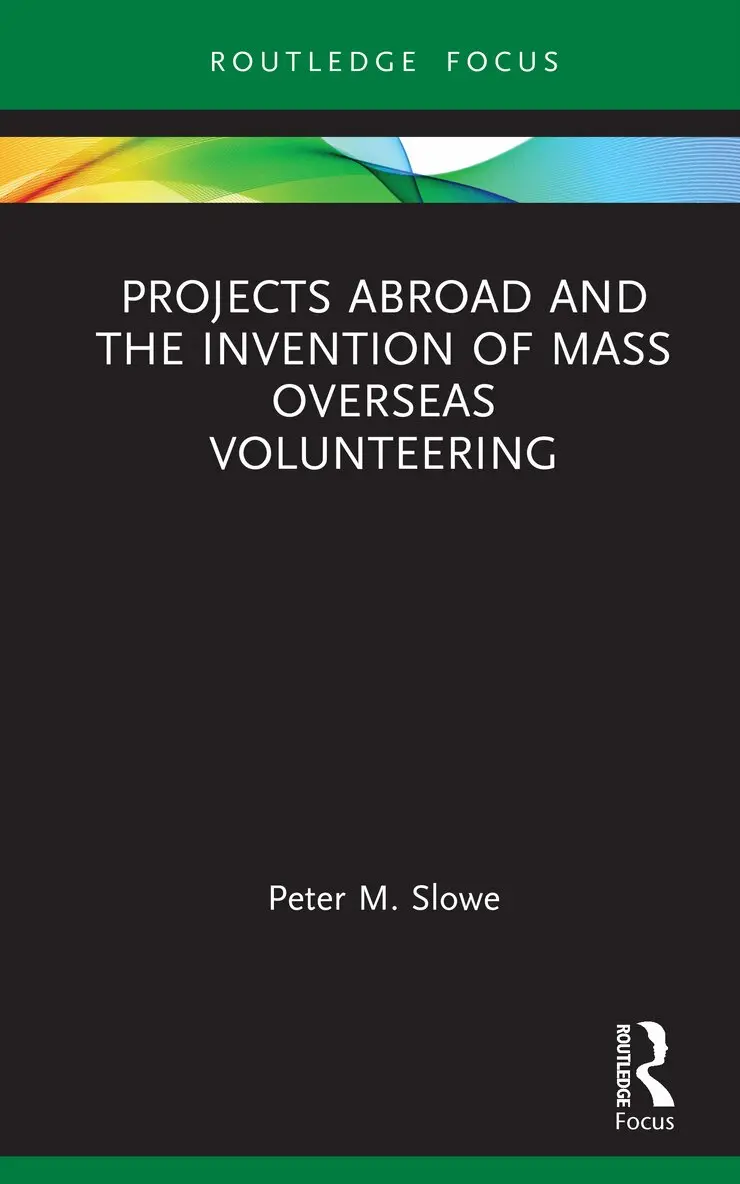
This book explores the origins and development of voluntourism through the story of Projects Abroad, the world’s first voluntourism company. Written by the founder himself, it examines how a single entrepreneurial idea transformed international volunteering, youth travel and development work across the globe.The book offers insights into the creation and growth of a pioneering global business and the challenges of turning an unconventional idea into a successful enterprise. It explores how voluntourism disrupted the self-satisfied worlds of charities and governments involved with international development aid and introduced new ideas into youth travel and tourism. Through detailed case studies and candid accounts of both mistakes and achievements, the book shows how the reality of voluntourism overcame establishment obstacles and gave young people new opportunities worldwide.Projects Abroad and the Invention of Voluntourism is intended for students, academics, as well as for professionals in tourism, travel, entrepreneurship. It will also appeal to readers interested in international development aid and its associated charity sector and to a whole generation of voluntourists.
1 300 kr
Skickas inom 10-15 vardagar
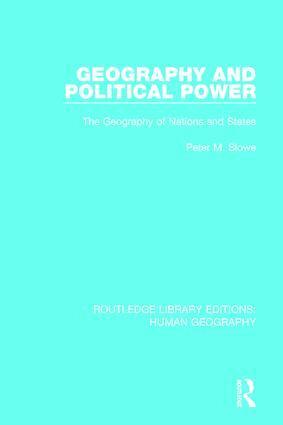
Focusing on the relationship between geography and power, this book, originally published in 1990, isolates five sources of political power – might, right, nationhood, legality and legitimacy – and demonstrtes the centrality of geography to the argument of each case. The author stresses the value of geographical expertise to political decision-making and illustrates this through the use of case—studies. His analysis of the sources of power goes deep into an understanding of politics and explores the implications for geography of political thought.
334 kr
Skickas inom 10-15 vardagar
Focusing on the relationship between geography and power, this book, originally published in 1990, isolates five sources of political power – might, right, nationhood, legality and legitimacy – and demonstrtes the centrality of geography to the argument of each case. The author stresses the value of geographical expertise to political decision-making and illustrates this through the use of case—studies. His analysis of the sources of power goes deep into an understanding of politics and explores the implications for geography of political thought.