Péter Mujzer – författare
Visar alla böcker från författaren Péter Mujzer. Handla med fri frakt och snabb leverans.
15 produkter
15 produkter
Häftad, Engelska, 2025
272 kr
Skickas inom 5-8 vardagar
Del 57 - Combat
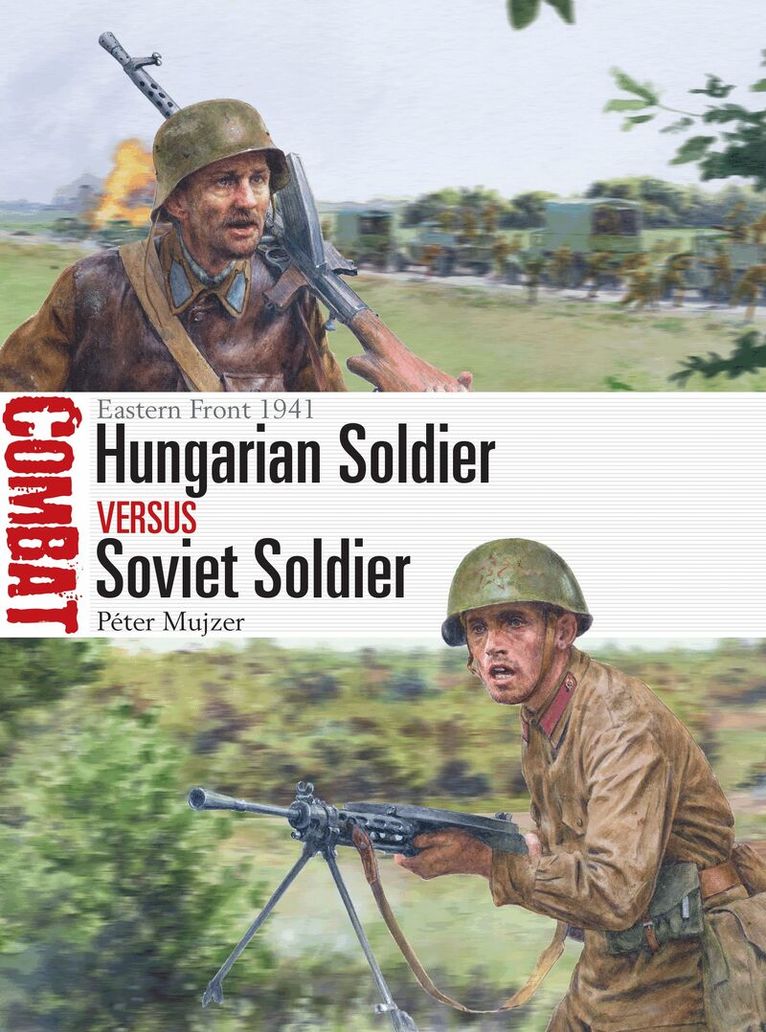
Hungarian Soldier vs Soviet Soldier
Eastern Front 1941
E-bok
PDF, Engelska, 2021194 kr
Läs direkt efter köp
On 26 June 1941, unidentified bombers attacked the Hungarian town of Kassa, prompting Hungary to join its Axis partners in Operation Barbarossa, Hitler''s invasion of the Soviet Union. Hungary''s contribution to Barbarossa was designated the Carpathian Group, its most powerful component being the Mobile Corps, which fielded motorized rifle, cavalry, bicycle and light armoured troops. The Hungarians faced Soviet forces belonging to the Kiev Military District, deployed in four armies along a 940km-long front. On the defeated side in World War I, Hungary had seen its borders redrawn and its armed forces constrained by treaty, but was determined to recover territories lost to adjoining countries. When Hungary decided to participate in Operation Barbarossa, however, the Royal Hungarian Army was deployed in the Soviet Union and not against its neighbours. Meanwhile, the Red Army, while remaining among the most formidable armies of the era, had been seriously weakened by successive purges, its shortcomings exposed by the Winter War against Finland in 1939–40. During the opening battles (4–13 July), the Hungarian motorized rifle and armoured units clashed with the withdrawing Red Army forces. In the battle for Uman (15 July–8 August) the Hungarians blocked the Soviet troops'' efforts to break out from encirclement. During the Hungarian defensive operation at the River Dniepr (30 August–6 October), counter-attacking Soviet units exerted heavy pressure on the defending Hungarians. Both sides would seek to draw lessons from these opening battles as the war in the East continued to rage into 1942. Fully illustrated, this book investigates the Hungarian and Soviet soldiers who fought in three battles of the Barbarossa campaign, casting new light on the role played by the forces of Nazi Germany''s allies on the Eastern Front.
Del 57 - Combat
Hungarian Soldier vs Soviet Soldier
Eastern Front 1941
Häftad, Engelska, 2021
167 kr
Skickas
On 26 June 1941, unidentified bombers attacked the Hungarian town of Kassa, prompting Hungary to join its Axis partners in Operation Barbarossa, Hitler’s invasion of the Soviet Union.Hungary’s contribution to Barbarossa was designated the Carpathian Group, its most powerful component being the Mobile Corps, which fielded motorized rifle, cavalry, bicycle and light armoured troops. The Hungarians faced Soviet forces belonging to the Kiev Military District, deployed in four armies along a 940km-long front.During the opening battles (4–13 July), the Hungarian motorized rifle and armoured units clashed with the withdrawing Red Army forces. In the battle for Uman (15 July–8 August) the Hungarians blocked the Soviet troops' efforts to break out from encirclement. During the Hungarian defensive operation at the River Dniepr (30 August–6 October), counter-attacking Soviet units exerted heavy pressure on the defending Hungarians. Both sides would seek to draw lessons from these opening battles as the war in the East continued to rage into 1942.Fully illustrated, this book investigates the Hungarian and Soviet soldiers who fought in three battles of the Barbarossa campaign, casting new light on the role played by the forces of Nazi Germany’s allies on the Eastern Front.
Del 57 - Combat
Hungarian Soldier vs Soviet Soldier
Eastern Front 1941
E-bok
Engelska, 2021194 kr
Läs direkt efter köp
On 26 June 1941, unidentified bombers attacked the Hungarian town of Kassa, prompting Hungary to join its Axis partners in Operation Barbarossa, Hitler''s invasion of the Soviet Union. Hungary''s contribution to Barbarossa was designated the Carpathian Group, its most powerful component being the Mobile Corps, which fielded motorized rifle, cavalry, bicycle and light armoured troops. The Hungarians faced Soviet forces belonging to the Kiev Military District, deployed in four armies along a 940km-long front. On the defeated side in World War I, Hungary had seen its borders redrawn and its armed forces constrained by treaty, but was determined to recover territories lost to adjoining countries. When Hungary decided to participate in Operation Barbarossa, however, the Royal Hungarian Army was deployed in the Soviet Union and not against its neighbours. Meanwhile, the Red Army, while remaining among the most formidable armies of the era, had been seriously weakened by successive purges, its shortcomings exposed by the Winter War against Finland in 1939–40. During the opening battles (4–13 July), the Hungarian motorized rifle and armoured units clashed with the withdrawing Red Army forces. In the battle for Uman (15 July–8 August) the Hungarians blocked the Soviet troops'' efforts to break out from encirclement. During the Hungarian defensive operation at the River Dniepr (30 August–6 October), counter-attacking Soviet units exerted heavy pressure on the defending Hungarians. Both sides would seek to draw lessons from these opening battles as the war in the East continued to rage into 1942. Fully illustrated, this book investigates the Hungarian and Soviet soldiers who fought in three battles of the Barbarossa campaign, casting new light on the role played by the forces of Nazi Germany''s allies on the Eastern Front.
Häftad, Engelska, 2022
171 kr
Skickas
Häftad, Italienska, 2024
414 kr
Skickas inom 5-8 vardagar
Häftad, Engelska, 2024
414 kr
Skickas inom 5-8 vardagar
Häftad, Italienska, 2024
286 kr
Skickas inom 5-8 vardagar
Häftad, Engelska, 2024
286 kr
Skickas inom 5-8 vardagar
Häftad, Italienska, 2024
390 kr
Skickas inom 5-8 vardagar
Häftad, Engelska, 2024
400 kr
Skickas inom 5-8 vardagar
Häftad, Italienska, 2025
400 kr
Skickas inom 5-8 vardagar
Häftad, Engelska, 2025
400 kr
Skickas inom 5-8 vardagar
Häftad, Italienska, 2025
272 kr
Skickas inom 5-8 vardagar
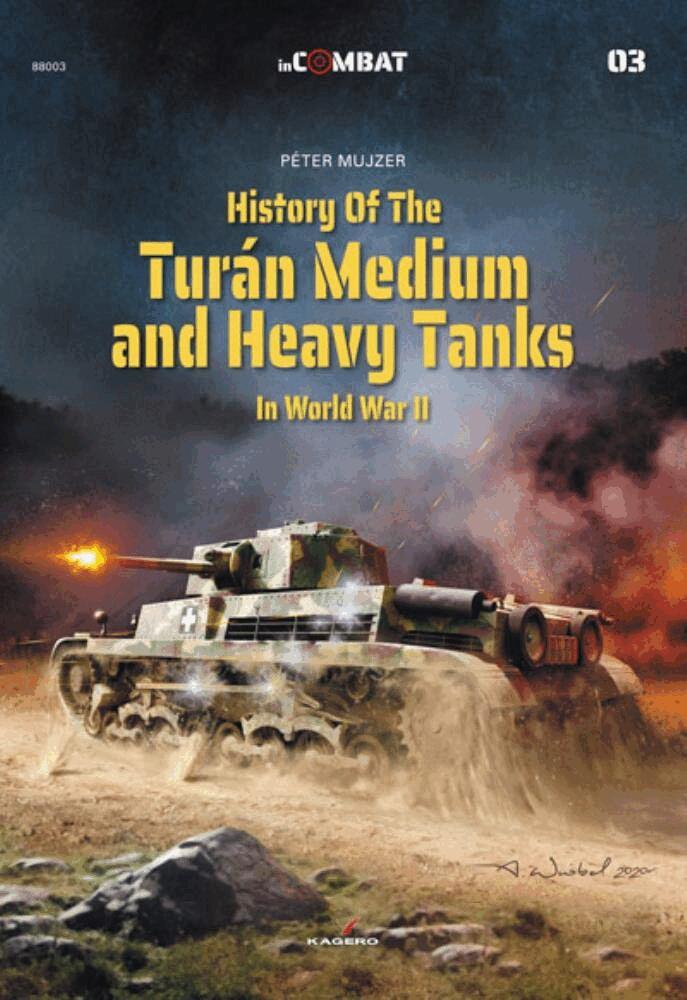
Del 3 - In Combat
History of the Turán Medium and Heavy Tanks in World War II
Häftad, Engelska, 2020
297 kr
Tillfälligt slut
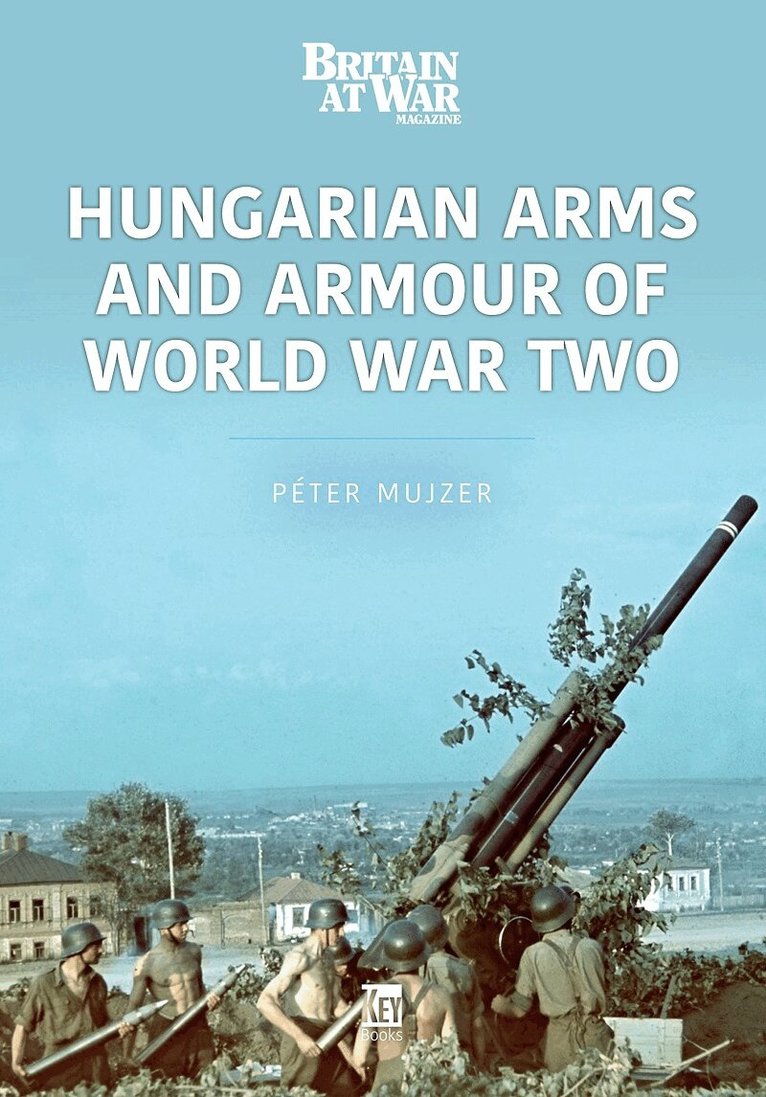
The Hungarian Army made serious efforts to build up an independent, national war industry, which able to supply the Army with modern armaments and equipment during the war. Among the modern weaponry, the armoured vehicles were the top priority beside the aircrafts for the Hungarian chief of staff. The current war proved that the air force and the mechanised/armoured troops are the decisive tools of winning the war.