Peter R. Breggin – författare
Visar alla böcker från författaren Peter R. Breggin. Handla med fri frakt och snabb leverans.
13 produkter
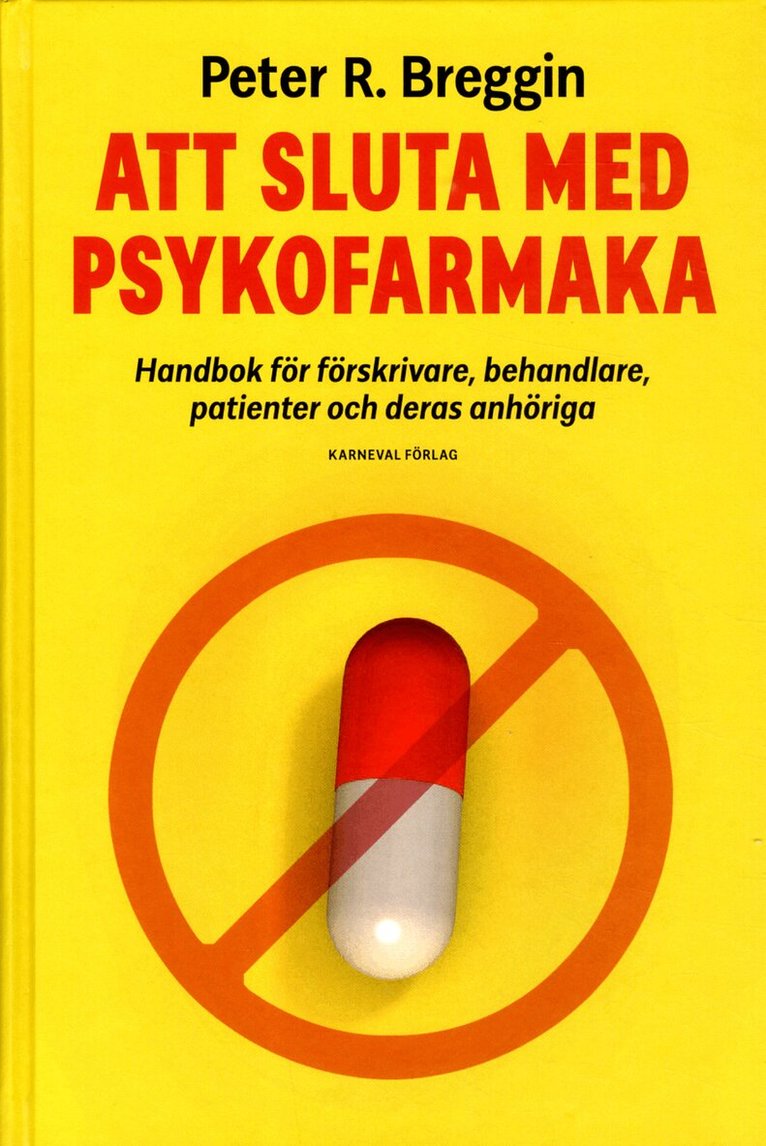
Att sluta med psykofarmaka : handbok för förskrivare, behandlare, patienter och deras anhöriga
Kartonnage, 2018
5,0 utav 5 stjärnor. Totalt antal röster: (2)
270 kr
Lägg i varukorg
Psykofarmaka är väsentligt mer farliga än vi någonsin har fått veta av läkarna som skriver ut dem. Det är psykiatrikern Peter R. Breggins djupa övertygelse sedan decennier tillbaka. Därför har han skrivit Att sluta med psykofarmaka, den första allmänt tillgängliga och heltäckande handboken i …
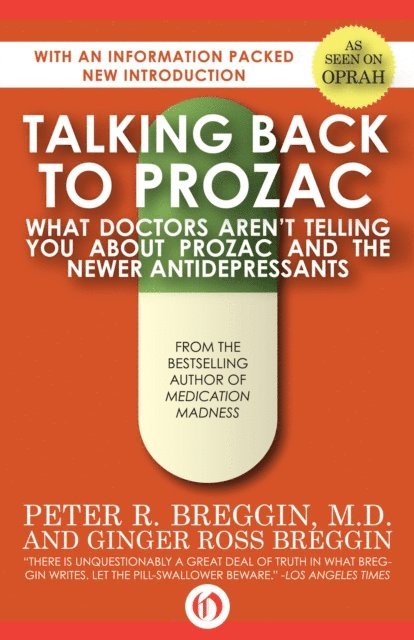
Talking Back to Prozac
What Doctors Aren''t Telling You About Prozac and the Newer Antidepressants
Av Ginger Ross Breggin, Peter R. Breggin
E-bok, 2014
180 kr
Lägg i varukorg
A psychiatrist takes a critical look at this SSRI and newer medications that are among the most frequently prescribed drugs in America.Prozac. Millions of Americans are on it. And just about everyone else is wondering if they should be on it, too. The claims of the pro‑Prozac chorus are enticing: …
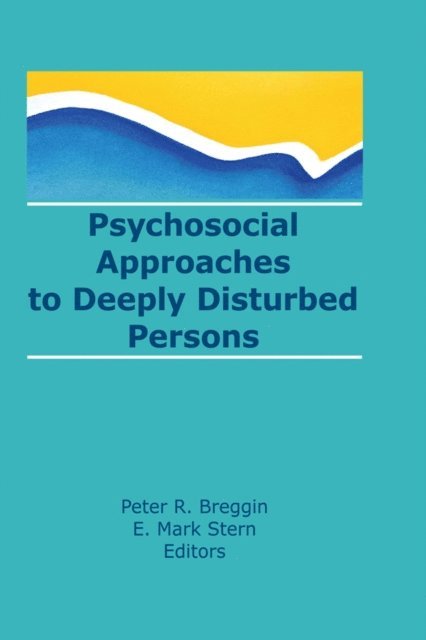
Psychosocial Approaches to Deeply Disturbed Persons
Av E Mark Stern, Peter R Breggin m. fl.
Häftad, 2016
757 kr
Lägg i varukorg
At a time when biological psychiatry claims that drugs and electroshock are the best methods for helping deeply disturbed persons, mental health professionals need to be reminded that psychological and social approaches to mental illnesses remain more effective, less harmful, and much more able to …
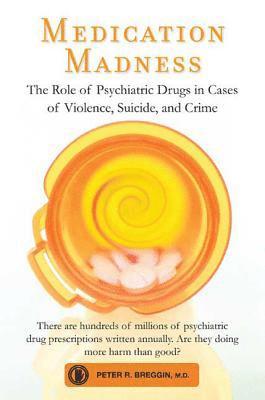
Medication Madness: The Role of Psychiatric Drugs in Cases of Violence, Suicide, and Crime
Häftad, 2009
321 kr
Lägg i varukorg
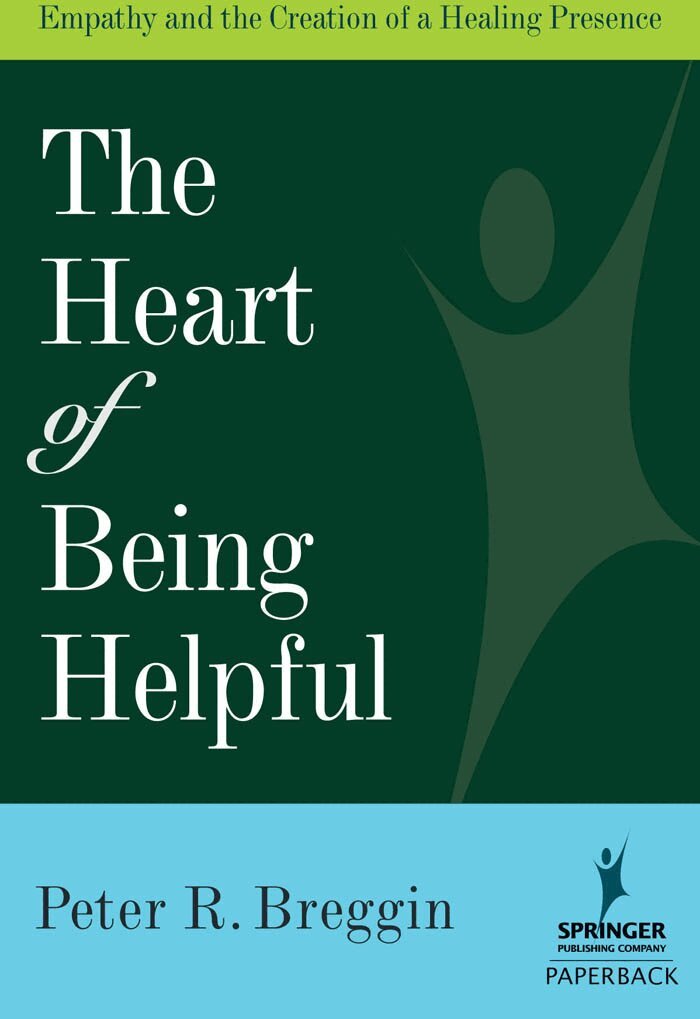
Heart of Being Helpful
Empathy and the Creation of a Healing Presence
Häftad, 2006
606 kr
Lägg i varukorg
Based on more than 30 years of clinical experience as a psychiatrist and a therapist, Dr. Breggin's book, now available in an affordable paperback, illustrates the importance of developing a therapeutic bond--or healing presence--between helping professionals and their clients. The author provides …
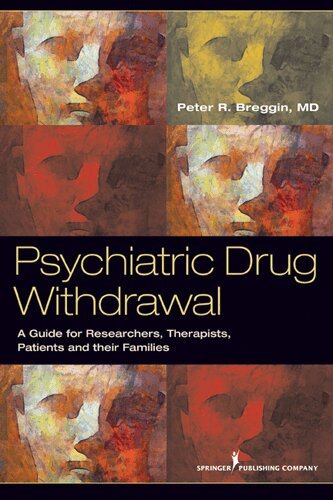
Psychiatric Drug Withdrawal
A Guide for Prescribers, Therapists, Patients and their Families
Häftad, 2012
3,0 utav 5 stjärnor. Totalt antal röster: (2)
825 kr
Lägg i varukorg
As a physician who specializes in addiction medicine and drug withdrawal and written widely on them, I recommend Dr. Breggin's book to every health professional who deals with anyone taking psychiatric drugs. He gives highly useful information and reasons for stopping or avoiding them. It's an …
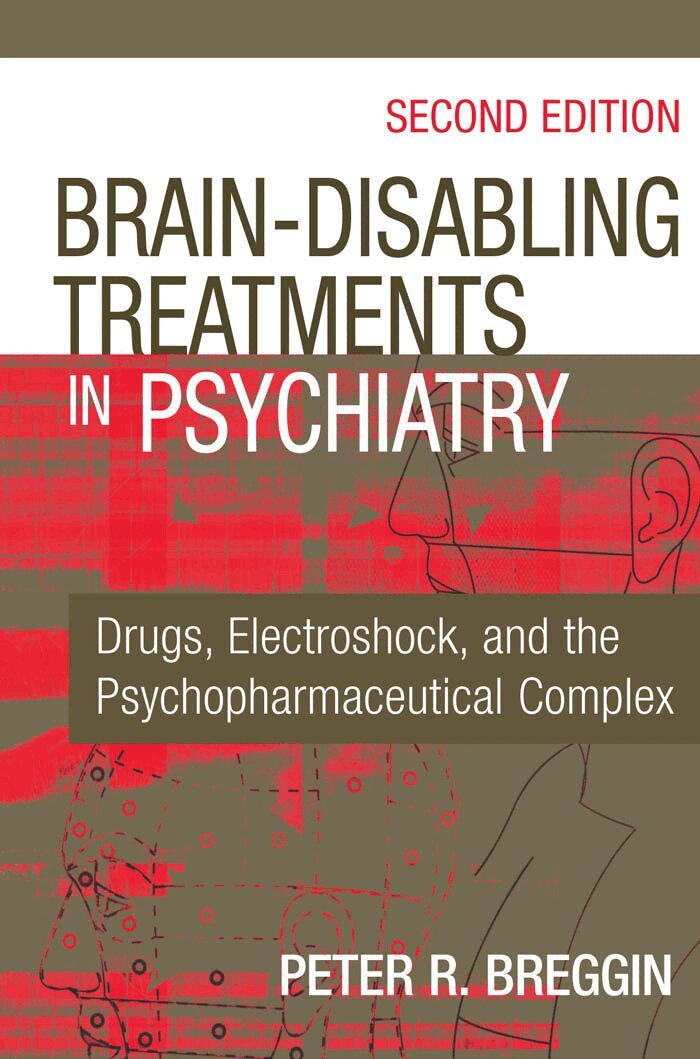
Brain-Disabling Treatments in Psychiatry
Drugs, Electroshock, and the Psychopharmaceutical Complex
Inbunden, 2007
1139 kr
Lägg i varukorg
From the author of Toxic Psychiatry and Talking Back to Prozac:Peter Breggin is the conscience of American psychiatry. Once more he updates us on the real evidence with respect to the safety and effectiveness of specific psychiatric medications and ECT. This information is needed by all mental …
Psychosocial Approaches to Deeply Disturbed Persons
Av Peter R Breggin, E Mark Stern
E-bok, 2013
716 kr
Lägg i varukorg
At a time when biological psychiatry claims that drugs and electroshock are the best methods for helping deeply disturbed persons, mental health professionals need to be reminded that psychological and social approaches to mental illnesses remain more effective, less harmful, and much more able to …
Psychosocial Approaches to Deeply Disturbed Persons
Av Peter R Breggin, E Mark Stern
E-bok, 2013
731 kr
Lägg i varukorg
At a time when biological psychiatry claims that drugs and electroshock are the best methods for helping deeply disturbed persons, mental health professionals need to be reminded that psychological and social approaches to mental illnesses remain more effective, less harmful, and much more able to …
Talking Back to Prozac
What Doctors Aren't Telling You About Prozac and the Newer Antidepressants
Av Peter R. Breggin, Ginger Ross Breggin
Häftad, 2014
305 kr
Lägg i varukorg
Psychosocial Approaches to Deeply Disturbed Persons
Av E Mark Stern, Peter R Breggin m. fl.
Inbunden, 1996
817 kr
Tillfälligt slut
At a time when biological psychiatry claims that drugs and electroshock are the best methods for helping deeply disturbed persons, mental health professionals need to be reminded that psychological and social approaches to mental illnesses remain more effective, less harmful, and much more able to …