Peter Rex - Böcker
Visar alla böcker från författaren Peter Rex. Handla med fri frakt och snabb leverans.
13 produkter
13 produkter
157 kr
Tillfälligt slut
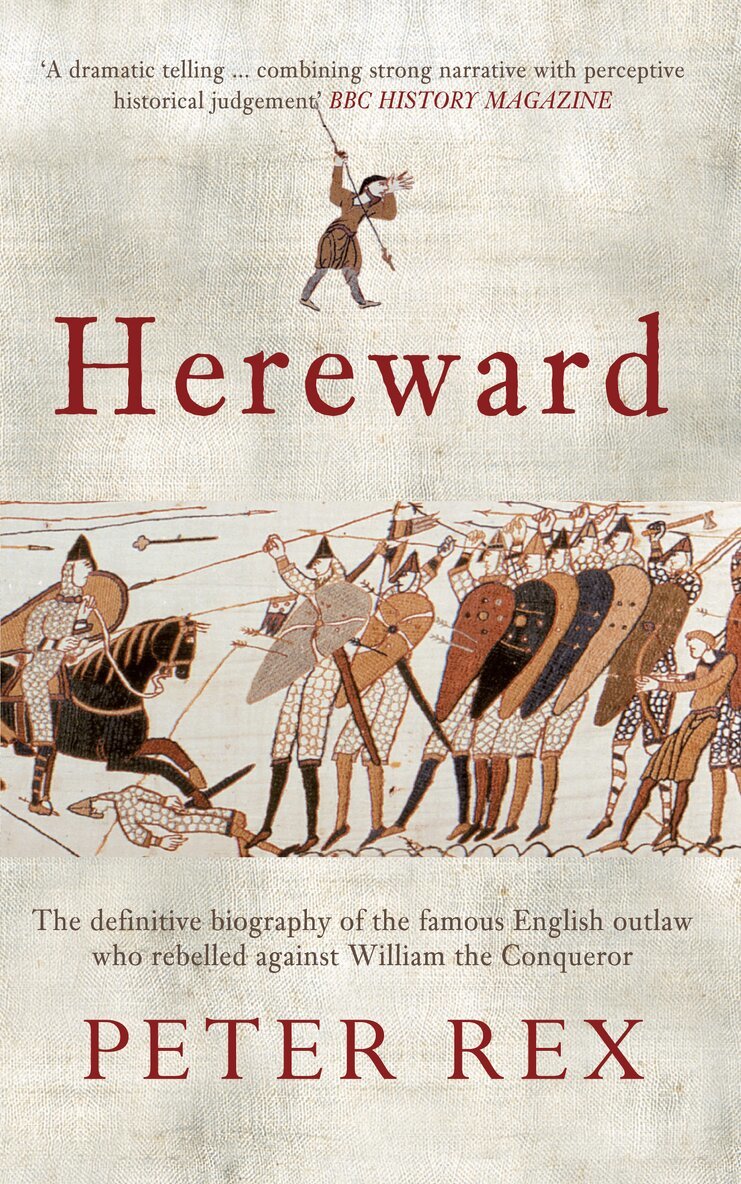
After the Norman victory in Hastings in 1066, William the Conqueror's oppression of the English led to widespread famine, death and destruction, culminating in the brutal Harrying of the North and the deaths of 100,000 people. Did the English submit to the tyranny of their oppressors? Or was this to be the beginning of one man's fight for liberty? Returning from Flanders to find his country taken over by the Normans, Hereward, known traditionally as 'the Wake', embarked on a path of resistance that was to start with the violent plundering of the monastery at Peterborough. Subsequently abandoned by the Danes he had relied upon, Hereward barricaded himself on the Isle of Ely. Holding out alone until reinforced by the arrival of Earls Edwin and Morcar from the North, Hereward found himself the object of William's personal hatred and his desire to stamp out the last remnants of English resistance.Peter Rex rescues Hereward from the myths associated with his life and career, and finally reveals the mystery of his parentage and baffling disappearance into the mists of the Fens...
298 kr
Tillfälligt slut
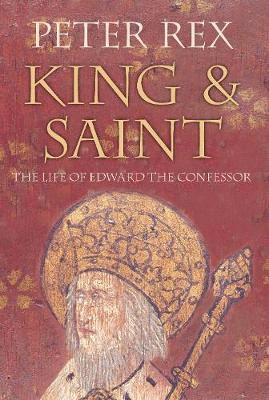
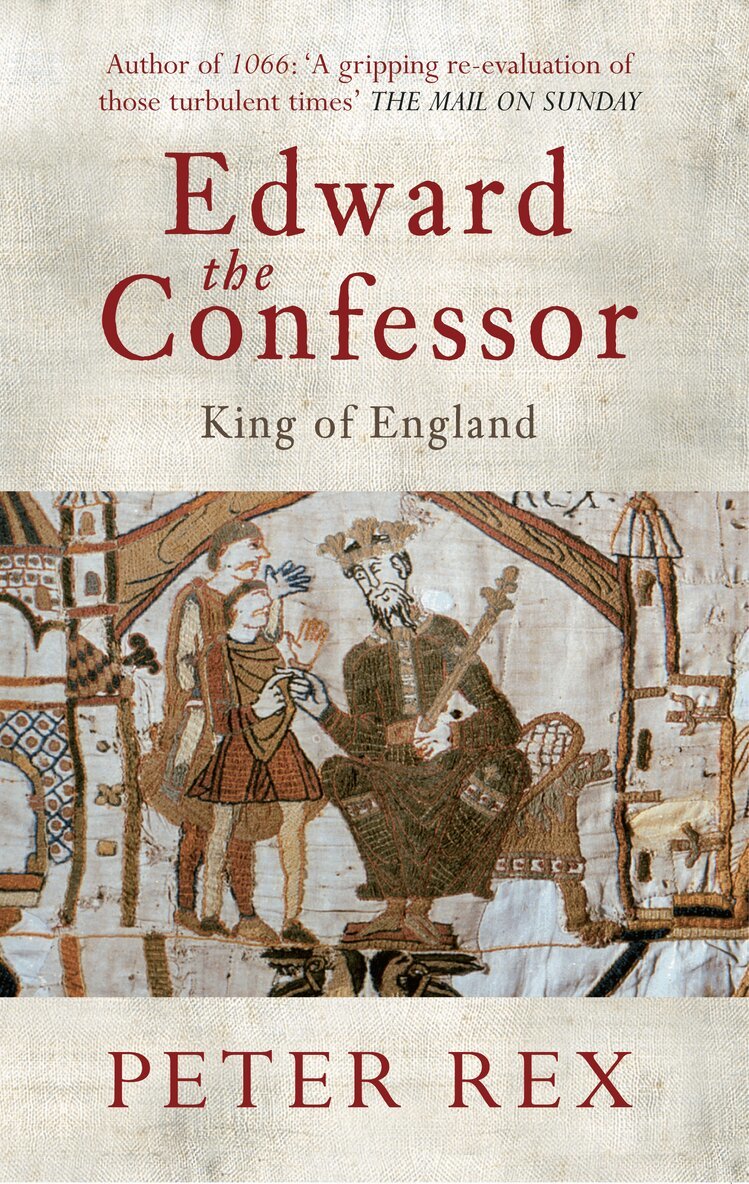
So long overshadowed by the historic events that followed his death, this is the story of England's penultimate Anglo-Saxon king; his warlike youth, his unlikely succession and his struggle to curb the ambitions of the power-hungry earls of Wessex, Mercia and Northumbria. Edward the Confessor, his family and the rich personalities of their reign are brought vividly to life by critically acclaimed historian Peter Rex.Often depicted by posthumous accounts as a virginal, pious simpleton, Edward was in fact a devious, wily king who struggled to control his violent temper. As a young man in 1016 he fought against the Danish king Canute's invasion of England; as an ageing, childless monarch he cunningly played off his potential rivals and successors to his advantage using the prize of his throne as leverage.Despite his reign of peace and prosperity and the transfer of power to the eminently capable Harold, the death of Edward in January 1066 preceded by mere months the end of the Anglo-Saxon Era. Often blamed for the crisis that prompted the invasions of 1066, Edward's alleged nomination of William 'the Conqueror' can finally be exposed as Norman propaganda, and the patron saint from the English Royal Family's reputation as a warrior, statesman and diplomat adequately restored.
115 kr
Tillfälligt slut
In 1066, the English were conquered by the infamous invader, William the Conqueror. However, this is not the whole story - the English did not roll over and die before their oppressors; far from it. For over five years, the English violently rebelled against the invading Norman people, murdering quislings, burning towns and sacking cathedrals. Peter Rex tells the story of each rebellion, their often colourful leaders (including Hereward the Wake, Edgar the Aetheling and Edric the Wild) and the rebels themselves, whom the Normans called 'silvatici' or forest dwellers. He also considers William's pacification attempts, especially his notorious 'harrying' of the north which amounted to genocide. If you thought it was all over with King Harold's death, this book reinforces the view that the English are not easily overcome.
131 kr
Skickas
A radical retelling of the most important event in English history - the Norman invasion of 1066. The Norman Conquest is the single most important event in English history. On this invasion and 'regime change' pivoted the second millennium of English history. This is well recognised, what is not is how long and hard the English people fought to deny William 'the Bastard', Duke of Normandy his prize. Rather than being the smooth transition peddled by pro-Norman historians, the Norman Conquest was a brutal and violent takeover by an army of occupation. Unknown thousands of rebellious thegns resisted the Norman regime, the most famous being Hereward, but there were plenty of willing collaborators among England's clergy, who pushed for William to be crowned king. In return he let them retain their sees and abbacies, as well as the vast tracts of land. Peter Rex tells the whole story of the Conquest of England by the Normans from its genesis in the deathbed decision of King Edward the Confessor in January 1066 to recommend Harold Godwinson as his successor, to the crushing of the last flickers of English resistance in June 1076.
146 kr
Skickas
Edward the Confessor was the son of King Aethelred the Unready of the House of Wessex. The family was exiled to Normandy when the Danish invaded England in 1013 but, with the nation in crisis on the death of King Harthacnut twenty-nine years later, Edward was named King of England, restoring the throne to English rule. Often portrayed as a holy simpleton, Edward was in fact a wily and devious king. For most kings a childless marriage would have been an Achilles' heel, but Edward turned it to his advantage. He cunningly played off his potential rivals and successors, using the prize of the throne as leverage. Though his reign was peaceful, his death would wreak havoc. Bloody wars were waged, two claimants were cut down and William the Conqueror earned his name. Edward's posthumous reputation grew as stories were spread by the monks of his magnificent foundation, Westminster Abbey. The childless king was transformed into a chaste, pious and holy man. Miracles were attributed to him and he was credited with the King's Touch - the ability to cure illnesses by touch alone. In 1161 he was canonised as Saint Edward the Confessor and to this day he remains the patron saint of the royal family.
Hereward
The Definitive Biography of the Famous English Outlaw Who Rebelled Against William the Conqueror
Häftad, Engelska, 2013
146 kr
Skickas
After the Norman victory in Hastings in 1066, William the Conqueror's oppression of the English led to widespread famine, death and destruction, culminating in the brutal Harrying of the North and the deaths of 100,000 people. Did the English submit to the tyranny of their oppressors? Or was this to be the beginning of one man's fight for liberty? Returning from Flanders to find his country taken over by the Normans, Hereward, known traditionally (and erroneously) as 'the Wake', embarked on a path of resistance that was to start with the violent plundering of the monastery at Peterborough. Subsequently abandoned by the Danes he had relied upon, Hereward barricaded himself on the Isle of Ely. Holding out alone until reinforced by the arrival of Earls Edwin and Morcar from the North, Hereward found himself the object of William's personal hatred and his desire to stamp out the last remnants of English resistance. Peter Rex rescues Hereward from the myths associated with his life and career, and finally reveals the mystery of his parentage and baffling disappearance into the mists of the Fens...
142 kr
Skickas
In 1066 the English were conquered by the infamous William the Conqueror. However, the English did not just roll over and die before their oppressors; far from it. For over five years the English violently rebelled against the invading Normans, murdering quislings, burning towns and sacking cathedrals. Peter Rex tells the story of each rebellion, their often colourful leaders (including Hereward the Wake, Edgar the Aetheling and Eadric the Wild) and the rebels themselves, whom the Normans called 'silvatici' or forest dwellers. He also considers William's attempts at pacifying the English, especially his notorious 'harrying' of the North, which amounted to genocide. For those who thought it was all over with King Harold's death, this book reinforces the view that the English are not so easily overcome.
146 kr
Skickas inom 11-20 vardagar
A new biography of the Norman king who conquered England in 1066, changing the course of the country forever. Of Franco-Scandinavian descent through his father, Duke Robert 'the Magnificent', William the Conqueror's life is set against his true background, the turbulent Norman Duchy which, even after the Conquest of England, remained his primary concern. William is revealed as the brutal and violent product of his time, much given to outbursts of rage, capable of great cruelty, autocratic, avaricious and prone to a sort of grisly humour, yet, with all that he could also be a loyal friend and affectionate husband and father. His military reputation rests mainly on his victory at Hastings and he showed little sign of strategic or tactical genius. He was a competent rather than inspired general, benefiting from the mistakes and disunity of his foes. Only at Hastings did he meet and defeat a man who was his peer as a leader of men. He inspired great loyalty in some and even greater hatred in others. His primary attribute was his ruthless will which made him the driving force behind Norman ambition in North Western Europe. His propagandists shamelessly manipulated the facts to justify his Conquest of England, a dubious enterprise if ever there was one.
111 kr
Skickas
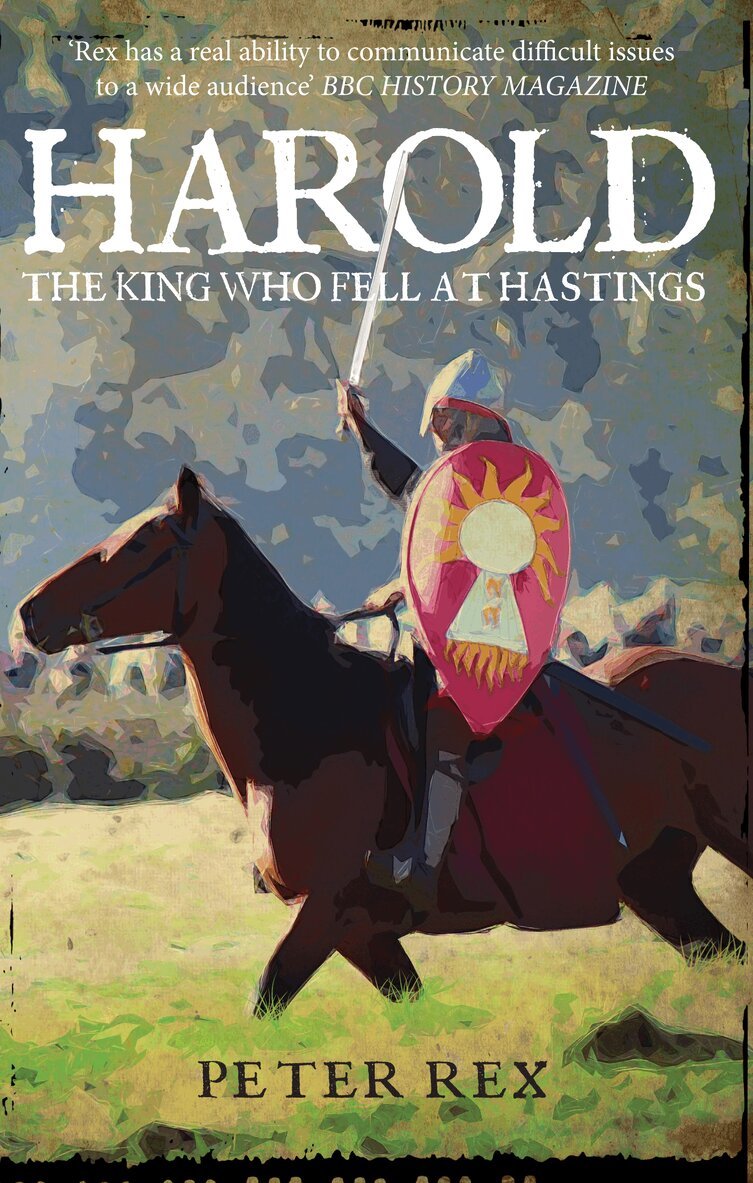
Harold Godwinson, King of England, was unable to defend his realm from William the Conqueror’s invading Norman army in 1066. The Normans wreaked havoc across the country and changed the history of England forever.This full-scale biography of England’s last Anglo-Saxon king reveals an astute political operator who, as Earl of Wessex, won the affection of the English people and the support of Edward the Confessor to succeed him. Peter Rex tells the story of a formidable warrior-king killed in battle in defence of his kingdom.
117 kr
Tillfälligt slut
Of Franco-Scandinavian descent through his father, Duke Robert ‘the Magnificent’, William the Conqueror is revealed as the brutal and violent product of his time, much given to outbursts of rage, capable of great cruelty, autocratic, avaricious and prone to a sort of grisly humour. Yet, with all that, he could also be a loyal friend and affectionate husband and father.His military reputation rests mainly on his victory at Hastings. He was a competent rather than inspired general, benefiting from the mistakes and disunity of his foes. William inspired great loyalty in some and even greater hatred in others. His ruthless will made him the driving force behind Norman ambition in north-western Europe, and his propagandists shamelessly manipulated the facts to justify his conquest of England – a dubious enterprise if ever there was one.
214 kr
Skickas inom 11-20 vardagar
The Norman Conquest is the single most important event in English history. On this invasion and 'regime change' pivoted the second millennium of English history. This is well recognised, what is not is how long and hard the English people fought to deny William 'the Bastard', Duke of Normandy his prize. Rather than being the smooth transition peddled by pro-Norman historians, the Norman conquest was a brutal and violent takeover by an army of occupation. Unknown thousands of rebellious thegns resisted the Norman regime, the most famous being Hereward, but there were plenty of willing collaborators among England's clergy, who pushed for William to be crowned king. In return he let them retain their sees and abbacies, as well as the vast tracts of land. Peter Rex tells the whole story of the conquest of England by the Normans from its genesis in the deathbed decision of King Edward the Confessor in January 1066 to recommend Harold Godwinson as his successor, to the crushing of the last flickers of English resistance in June 1076.
221 kr
Skickas inom 11-20 vardagar
A new biography of the Norman king who conquered England in 1066, changing the course of the country forever. Of Franco-Scandinavian descent through his father, Duke Robert 'the Magnificent', William the Conqueror's life is set against his true background, the turbulent Norman Duchy which, even after the Conquest of England, remained his primary concern. William is revealed as the brutal and violent product of his time, much given to outbursts of rage, capable of great cruelty, autocratic, avaricious and prone to a sort of grisly humour, yet, with all that he could also be a loyal friend and affectionate husband and father. His military reputation rests mainly on his victory at Hastings and he showed little sign of strategic or tactical genius. He was a competent rather than inspired general, benefiting from the mistakes and disunity of his foes. Only at Hastings did he meet and defeat a man who was his peer as a leader of men. He inspired great loyalty in some and even greater hatred in others. His primary attribute was his ruthless will which made him the driving force behind Norman ambition in North Western Europe. His propagandists shamelessly manipulated the facts to justify his conquest of England, a dubious enterprise if ever there was one.
209 kr
Skickas inom 5-8 vardagar