Philip Gibbons – författare
715 kr
Läs direkt efter köp
715 kr
Läs direkt efter köp
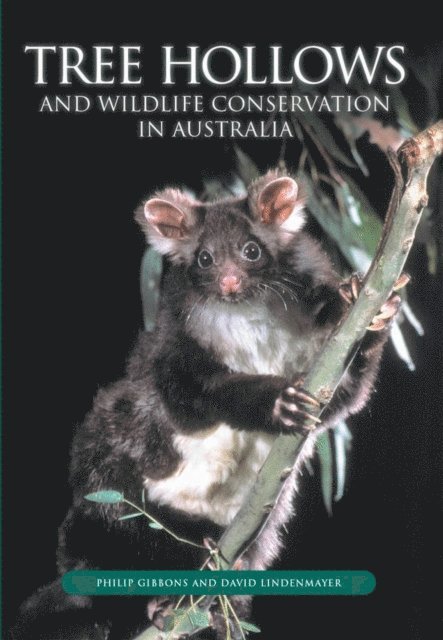
More than 300 species of Australian native animals — mammals, birds, reptiles and amphibians — use tree hollows, but there has never been a complete inventory of them. Many of these species are threatened, or are in decline, because of land-use practices such as grazing, timber production and firewood collection.
All forest management agencies in Australia attempt to reduce the impact of logging on hollow-dependent fauna, but the nature of our eucalypt forests presents a considerable challenge. In some cases, tree hollows suitable for vertebrate fauna may take up to 250 years to develop, which makes recruiting and perpetuating this resource very difficult within the typical cycle of human-induced disturbance regimes.
Tree Hollows and Wildlife Conservation in Australia is the first comprehensive account of the hollow-dependent fauna of Australia and introduces a considerable amount of new data on this subject. It not only presents a review and analysis of the literature, but also provides practical approaches for land management.
375 kr
Skickas inom 5-8 vardagar
429 kr
Läs direkt efter köp
429 kr
Läs direkt efter köp
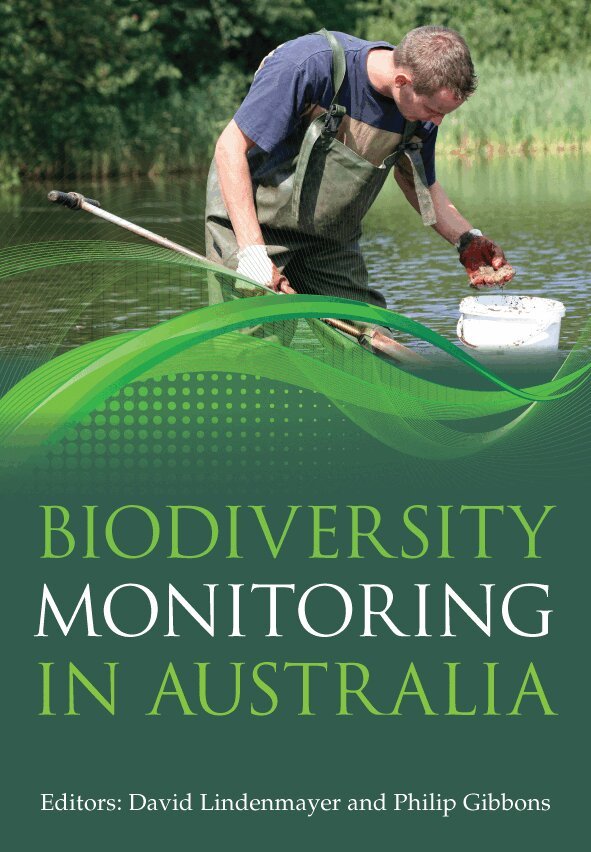
Ecological and biodiversity-based monitoring has been marked by an appalling lack of effectiveness and lack of success in Australia for more than 40 years, despite the billions of dollars that are invested in biodiversity conservation annually. What can be done to rectify this situation?
This book tackles many aspects of the problem of biodiversity monitoring. It arose from a major workshop held at The Australian National University in February 2011, attended by leaders in the science, policy-making and management arenas of biodiversity conservation. The diversity of participants was deliberate – successful biodiversity monitoring is dependent on partnerships among people with different kinds of expertise.
Chapter contributors examine what has led to successful monitoring, the key problems with biodiversity monitoring and practical solutions to those problems. By capturing critical insights into successes, failures and solutions, the authors provide high-level guidance for important initiatives such as the National Biodiversity Strategy, similar kinds of conservation initiatives in state government agencies, as well as non-government organisations that aim to improve conservation outcomes in Australia. Ultimately, the authors hope to considerably improve the quality and effectiveness of biodiversity monitoring in Australia, and to arrest the decline of biodiversity.