Philip Long - Böcker
Visar alla böcker från författaren Philip Long. Handla med fri frakt och snabb leverans.
3 produkter
3 produkter
691 kr
Skickas inom 10-15 vardagar
This book focuses on the theoretical, policy and practice linkages and disjunctures between tourism and the creative industries. There are clear and strong intersections between the sectors, for example in the development and application of new and emerging media in tourism; festivals and cultural events showcasing the creative identity of place; tours and place identities associated with film, TV, music and arts tourism; as well as particular destinations being promoted on the basis of their ‘creative’ endowments such as theatre breaks, art exhibitions and fashion shows. Tourism and the Creative Industries explores a variety of relationships in one volume and offers innovative and critical insights into how creative industries and tourism together contribute to place identity, tourist experience, destination marketing and management. The book is aligned with the sectors that have been demarcated by the UK Government Department of Culture, Media and Sport as comprising the creative industries: advertising and marketing; architecture; design and designer fashion; film, TV, video, radio and photography; IT, software and computer services; publishing and music; performing and visual arts. The title of this volume demonstrates how the exclusion of tourism from the creative industries is arguably perverse, given that much of the work by destination managers and of private sector tourism is characterised by creativity and innovation. Interdisciplinary research and international context bring a broader perspective on how the creative industries operate in varying cultural and policy contexts in relation to tourism.This book brings together the parallel and disparate inter-disciplinary fields of tourism and the creative industries and will be of interest to students, academics and researchers interested in tourism, creative industries, marketing and management.
2 289 kr
Skickas inom 10-15 vardagar
This book focuses on the theoretical, policy and practice linkages and disjunctures between tourism and the creative industries. There are clear and strong intersections between the sectors, for example in the development and application of new and emerging media in tourism; festivals and cultural events showcasing the creative identity of place; tours and place identities associated with film, TV, music and arts tourism; as well as particular destinations being promoted on the basis of their ‘creative’ endowments such as theatre breaks, art exhibitions and fashion shows. Tourism and the Creative Industries explores a variety of relationships in one volume and offers innovative and critical insights into how creative industries and tourism together contribute to place identity, tourist experience, destination marketing and management. The book is aligned with the sectors that have been demarcated by the UK Government Department of Culture, Media and Sport as comprising the creative industries: advertising and marketing; architecture; design and designer fashion; film, TV, video, radio and photography; IT, software and computer services; publishing and music; performing and visual arts. The title of this volume demonstrates how the exclusion of tourism from the creative industries is arguably perverse, given that much of the work by destination managers and of private sector tourism is characterised by creativity and innovation. Interdisciplinary research and international context bring a broader perspective on how the creative industries operate in varying cultural and policy contexts in relation to tourism.This book brings together the parallel and disparate inter-disciplinary fields of tourism and the creative industries and will be of interest to students, academics and researchers interested in tourism, creative industries, marketing and management.
162 kr
Tillfälligt slut
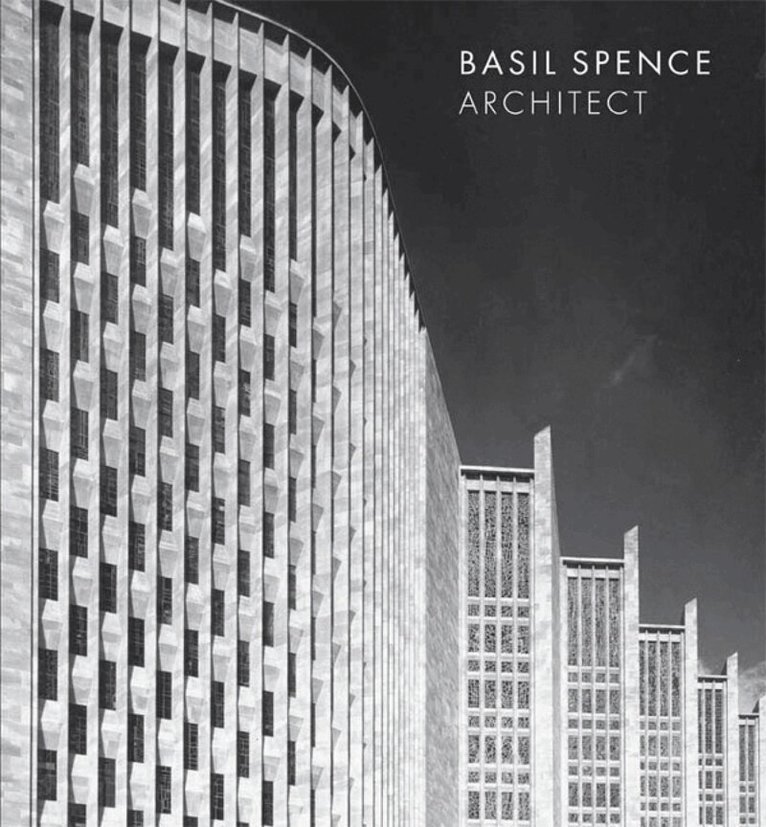
Basil Spence (1907-1976) was one of Britain's most celebrated architects. This book explores his extraordinary career from the 1930s to the 1970s, focusing particularly on the post-war period. Initially known for his work on national exhibitions such as the Festival of Britain, Spence became a household name in 1951 when he won the competition to design a new cathedral for Coventry. He worked on an unusually wide range of projects from housing in Glasgow's Gorbals to the University of Sussex and the British Embassy in Rome. Central to his work was a sensitivity towards materials and a commitment to working with artists. Spence's work is discussed here in a series of essays introduced by a personal memoir specially written by the architect's close family.