Philip Macdougall – författare
Visar alla böcker från författaren Philip Macdougall. Handla med fri frakt och snabb leverans.
15 produkter
15 produkter
209 kr
Tillfälligt slut
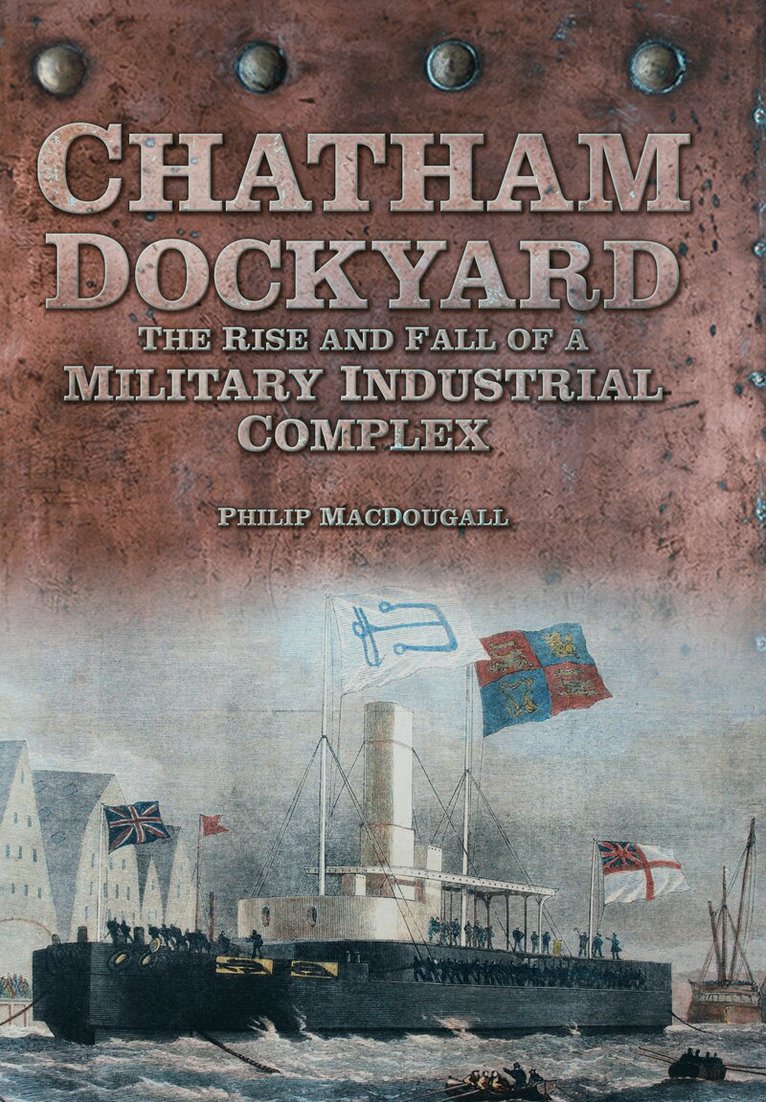
Founded in 1570, Chatham Dockyard quickly became one of the most important naval yards for the repair and building of warships, maintaining a pre-eminent position for the next 400 years. Located on the River Medway, in all, the yard was responsible for the construction of over 500 warships, these ranging from simple naval pinnaces through to first-rates that fought at Trafalgar, and concluding with the hunter-killer submarines of the nuclear age. In this detailed new history of the yard from experienced local and maritime author Philip MacDougall, particular attention is given to the final two hundred years of the yard’s history, the artisans and labourers who worked there and the changing methods used in the construction of some of the finest warships to enter naval service. Coinciding with the dockyard’s seeking status as a World Heritage site, this fascinating history places Chatham firmly in its overall historical context.
201 kr
Skickas inom 7-10 vardagar
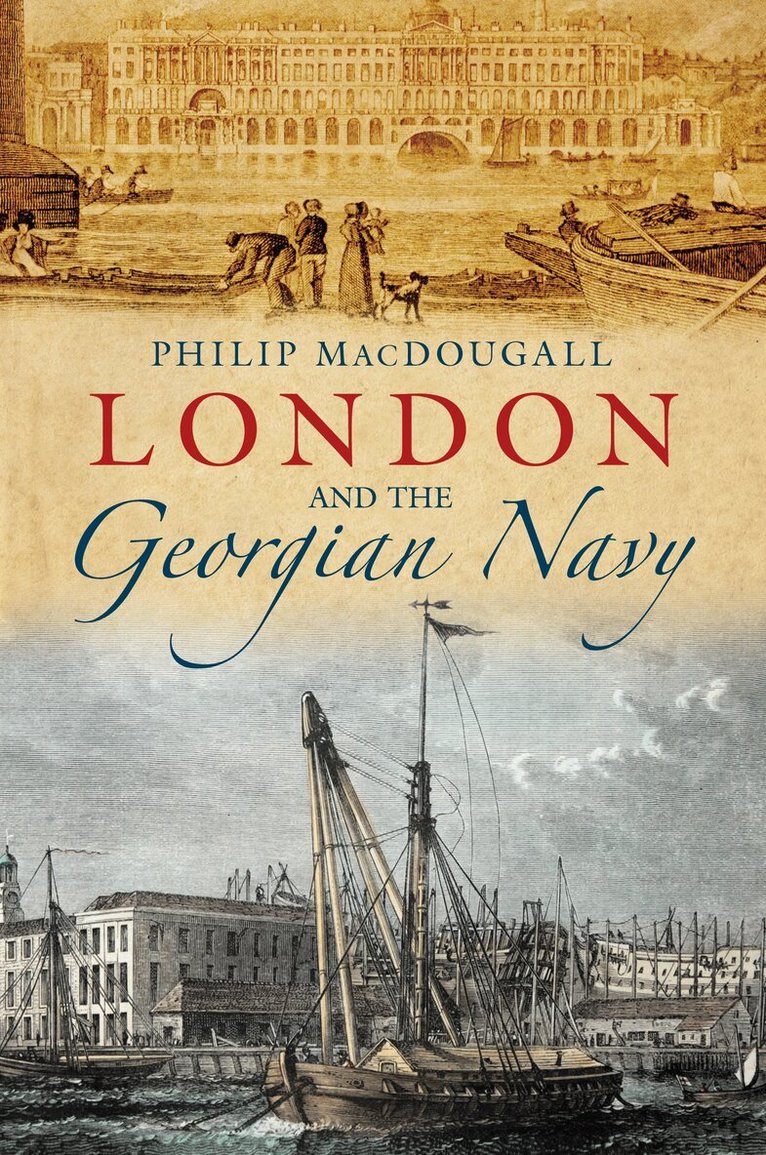
At a time when the Royal Navy was the biggest and best in the world, Georgian London was the hub of this immense industrial-military complex, underpinning and securing a global trading empire that was entirely dependent on the navy for its existence. Philip MacDougall explores the bureaucratic web that operated within the wider city area before giving attention to London’s association with the practical aspects of supplying and manning the operational fleet and shipbuilding, repair and maintenance. His supremely detailed geographical exploration of these areas includes a discussion of captivating key personalities, buildings and work. The book examines significant locations as well as the importance of Londoners in the manning of ships and how the city memorialised the navy and its personnel during times of victory. An in-depth gazetteer and walking guide complete this fascinating study of Britain, her capital and her Royal Navy.
257 kr
Kommande
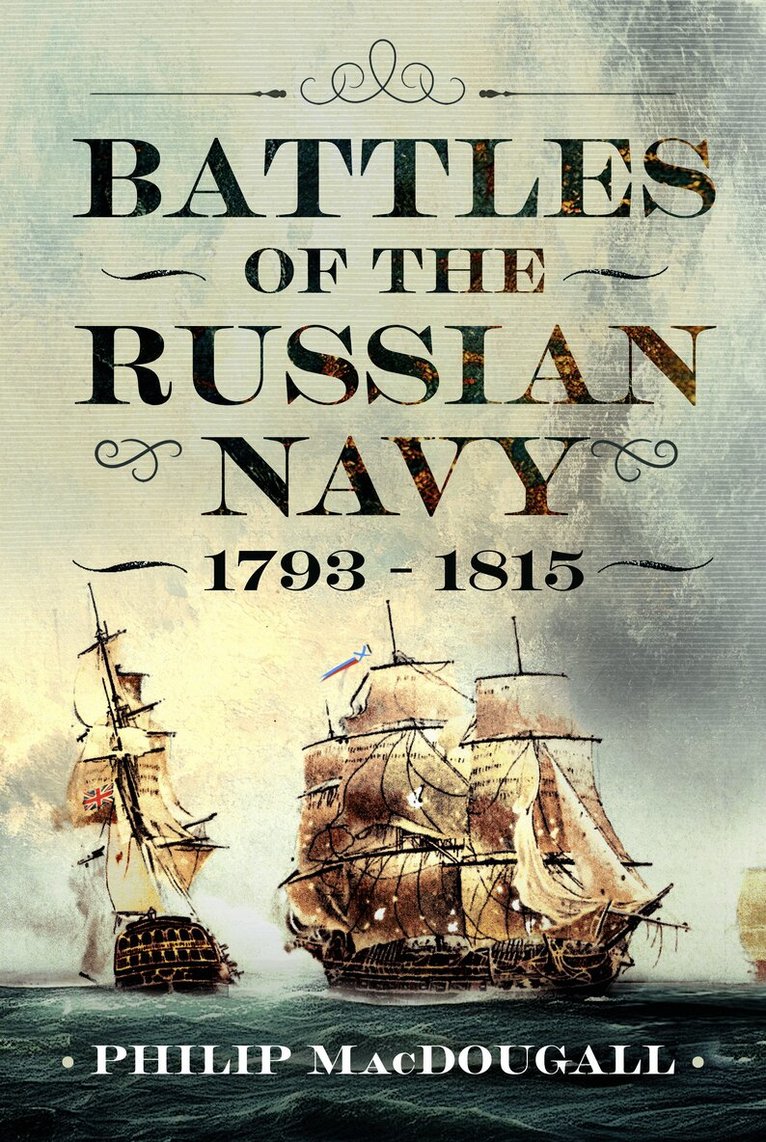
In the naval war fought against France between 1793 and 1815, the activities of the Russian navy have been substantially neglected by Western historians. This book seeks to redress this oversight. After Great Britain and France, Russia had, during these years, the world’s third most powerful navy, with squadrons of warships primarily active in the Baltic, North Sea, Black Sea, Mediterranean and Adriatic.Active in the war against Revolutionary France as an ally of Great Britain, the central theme of this book is that of evaluating the effectiveness of the Russian navy during those war time years, giving particular attention to its co-operation with the British Royal Navy in several campaigns. That some of the leading Russian naval officers had been cadets at the Portsmouth Naval Academy in England, and some of the Russian ships captained by officers recruited from within the British navy was an important factor in ensuring that those periods of co-operation often ran smoothly. But not always. On occasions, this early example of international naval co-operation was blighted by moments of friction and misunderstanding. However, the low point came during the reign of Paul I (r.1796-1801) when the two navies were effectively at war and Nelson fully contemplating a bombardment, similar to the one conducted on Copenhagen, of Russia’s two most important naval bases, Tallinn and Kronstadt.Viewing the Russian navy of this period as one fundamentally created by Catherine the Great (r.1762-96), its establishment by Peter the Great (r.1682-1725) and its original purpose is not ignored. Throughout, the book is informed by first hand writings and documents, many not available in Britain, these highlighting the tactics and strategies adopted by Russian commanders. Often played down by western naval historians, those strategies and tactics were often in advance of accepted naval doctrine, and achieved several notable victories. Not forgotten is the importance of the land-based infrastructure that was so essential in supporting Russia’s seagoing navy, conditions of service on Russian ships and the nature of the command structure.
173 kr
Skickas
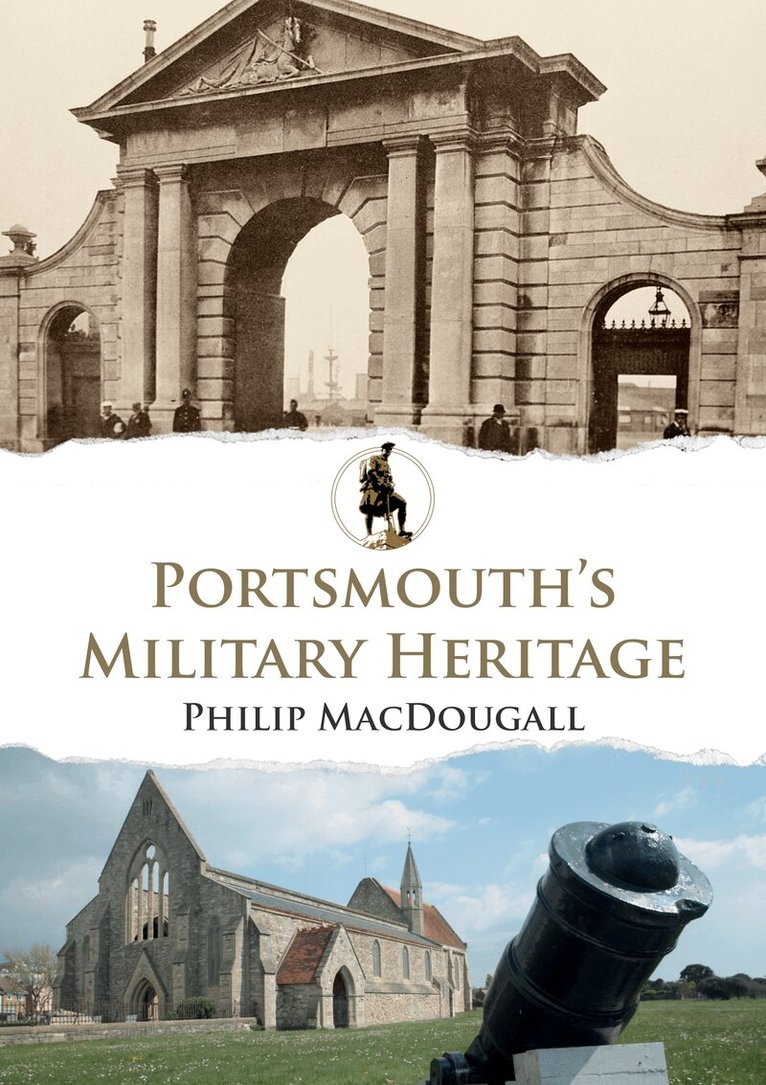
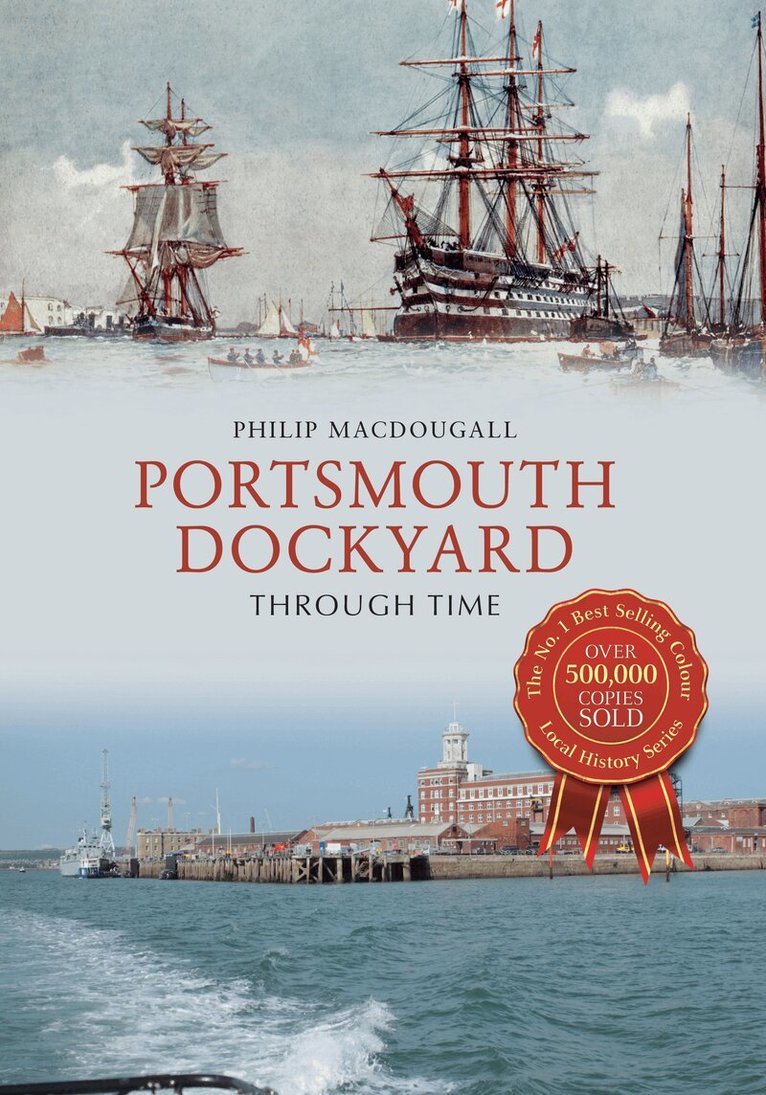
The dockyard at Portsmouth was founded by Henry VII, developing into a naval base that was essentially the nation’s most important military establishment. Here, in times of war, huge fleets were assembled and the harbour that lay alongside the dockyard witnessed the constant arrival and departure of ships engaged in convoy duties, blockading and attacking enemy ports or intercepting hostile seagoing fleets. In turn, it was a potential target for an enemy, for if the dockyard could be destroyed or captured, then the nation’s first line of defence, the Royal Navy, would cease to be effective. Sensitive to such a danger, successive governments built defence structures in and around Portsmouth as well as barracks to house the navy, army and marine personnel. As the firepower of guns increased and the nature of fortifications changed, so did the defences of Portsmouth, with these gradually pushed further and further back so that the forts and gun batteries would always ensure the safety of Portsea Island from either land or sea attack.In the twentieth century the defences were adapted further for the new threat of aerial bombardment or attack by submarine. This book will be of interest to all those who would like to know more about Portsmouth’s remarkable military history.
172 kr
Skickas
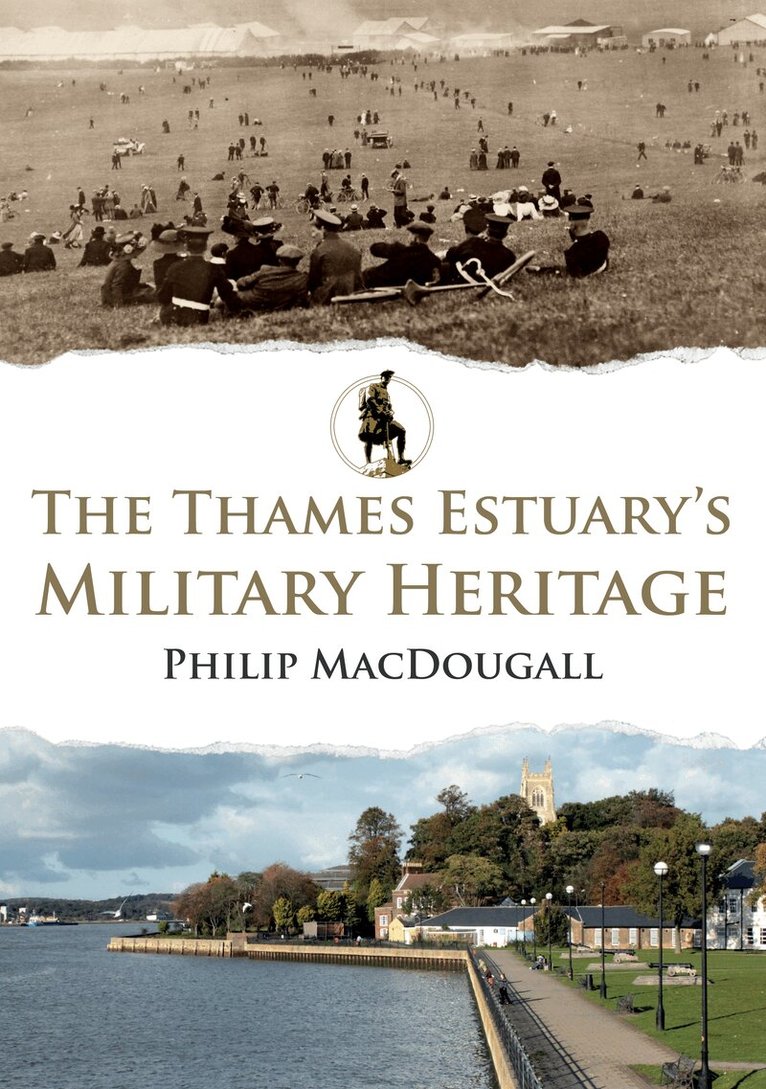
The Thames Estuary is the gateway into London that had to be defended against seaborne invasion. Through proximity to the Continent, these waters were a likely passageway for those intent upon seaborne raids or invasion, necessitating the need for a powerful naval force to be on hand when threatened. The first fortifications date back to Roman times. To support the British navy in these waters, four of the nation’s royal dockyards – Chatham, Deptford, Sheerness and Woolwich – were clustered along the Thames Estuary or close by on the Medway from the sixteenth and seventeenth centuries for the commissioning, refitting and repair of warships. As well as being of importance for the defence of the country, the Thames Estuary fulfilled another role: that of underpinning naval activities designed to support British tactical and strategic operations in more distant parts of the world. Close to the mouth of the Thames, and near the point of confluence with the Medway, was the Nore, a key naval anchorage where newly commissioned warship assembled, taking on crews and receiving final instructions before joining the active seagoing fleet. In the twentieth century, additional defences against attack by submarine or from the air were established, and gunpowder factories sited along the estuary.This book will be of interest to all those who would like to know more about the remarkable military history of the Thames Estuary over the last 2,000 years.
172 kr
Skickas
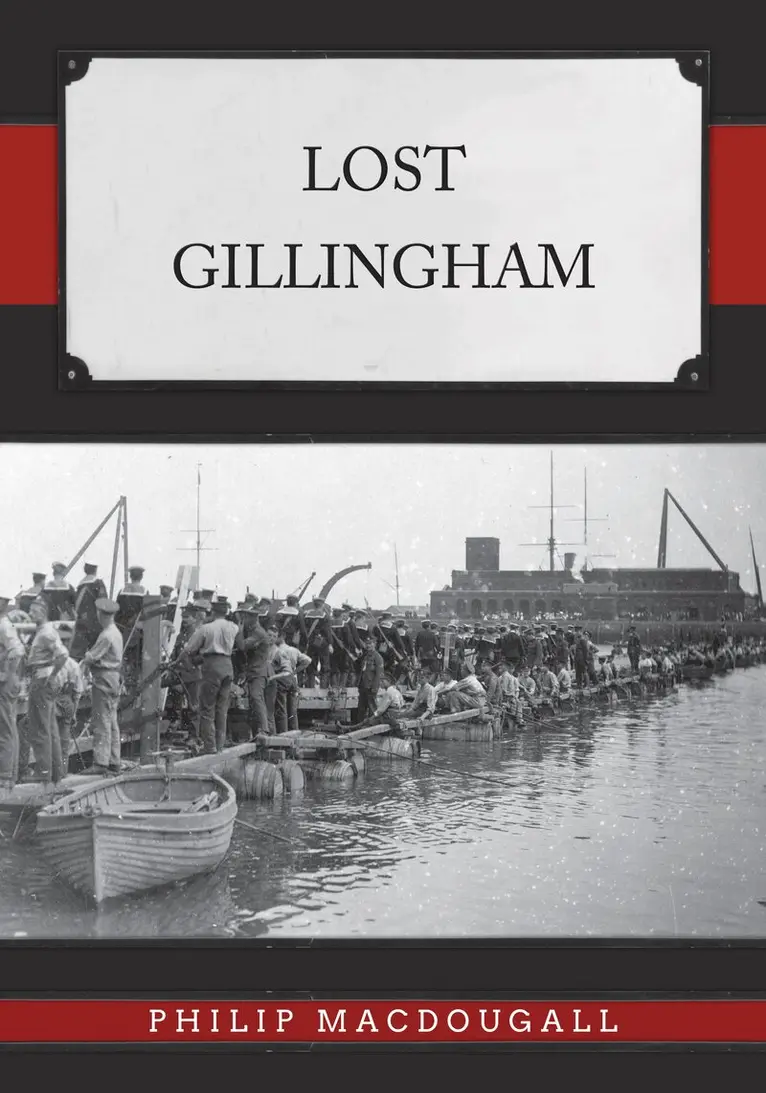
The town of Gillingham in Kent grew up around the Royal Navy’s Chatham Dockyard. By the River Medway, this had been an important maritime area for centuries but it was only in the nineteenth century that the small settlement grew into a town. A large proportion of the town’s workforce and businesses depended on the dockyard, so its closure in the 1980s meant that the town had to rethink its focus. It is now the largest and busiest town in the Medway region but much has changed over the years: annual military and naval displays that are now just a memory, houses occupied by artisans and labourers that were demolished, shops and chapels that were removed due to extensive road projects, and cinemas and theatres that were redeveloped, as well as barracks, defence works and the Victorian naval dockyard that have had to find a new lease of life.Lost Gillingham presents a portrait of this corner of Kent over the last century that has radically changed or disappeared today, showing not only industries and buildings that have gone but also people and street scenes, many popular places of entertainment and much more. This fascinating photographic history of lost Gillingham will appeal to all those who live in the area or know it well, as well as those who remember it from previous decades.
177 kr
Skickas
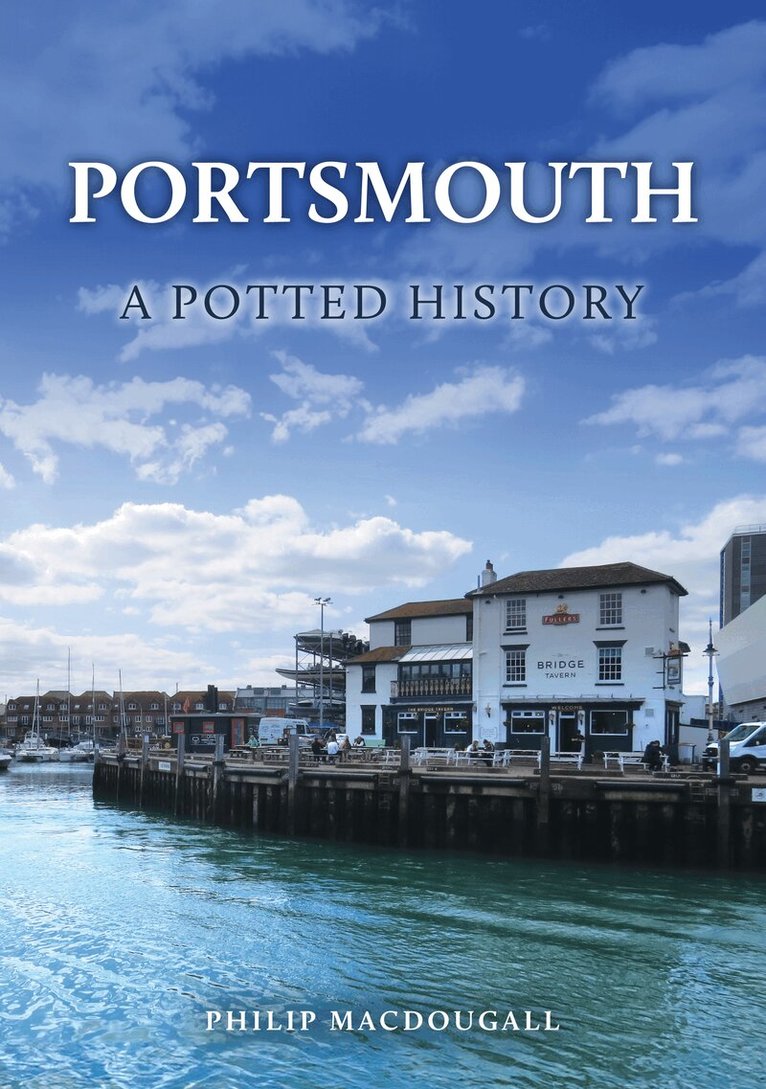
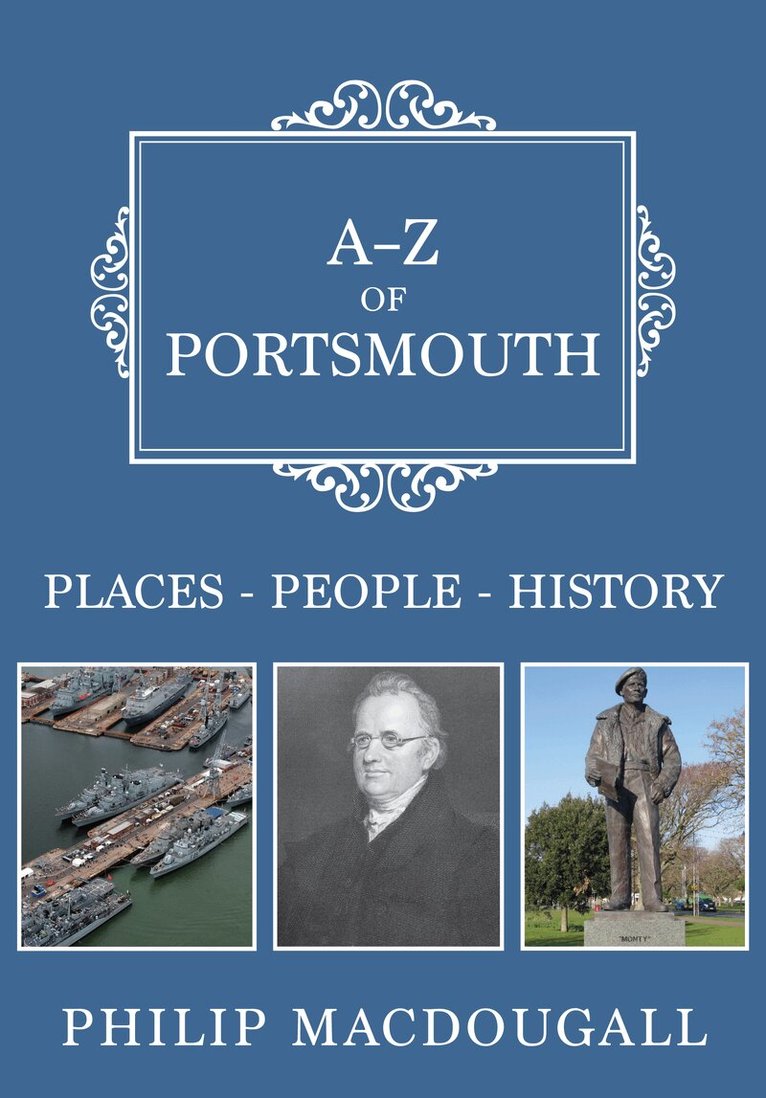
Portsmouth is primarily known for its long-term association with the Royal Navy, the naval dockyard at one time the world’s largest employer of a civilian workforce. Yet there is much more to Portsmouth than being home to Britain’s Senior Service. In Portsmouth: A Potted History, the city’s Roman and Saxon origins on Portsea Island are traced, alongside its rapid growth from the twelfth century onwards as a merchant township specialising in overseas trade. This book describes how its naval and military connections have significantly influenced the way the future city was to develop and also examines how Portsmouth and its people adapted to its long-term conversion into a military-industrial stronghold designed for the defence of the nation. The severe damage the city suffered in the Second World War and the growth of the modern-day metropolitan Portsmouth is also examined, showing how the services and other industries that make today’s diverse city were built.Illustrated throughout, this accessible historical portrait of the transformation that Portsmouth has undergone through the ages will be of great interest to residents, visitors and all those with links to the city.
177 kr
Kommande
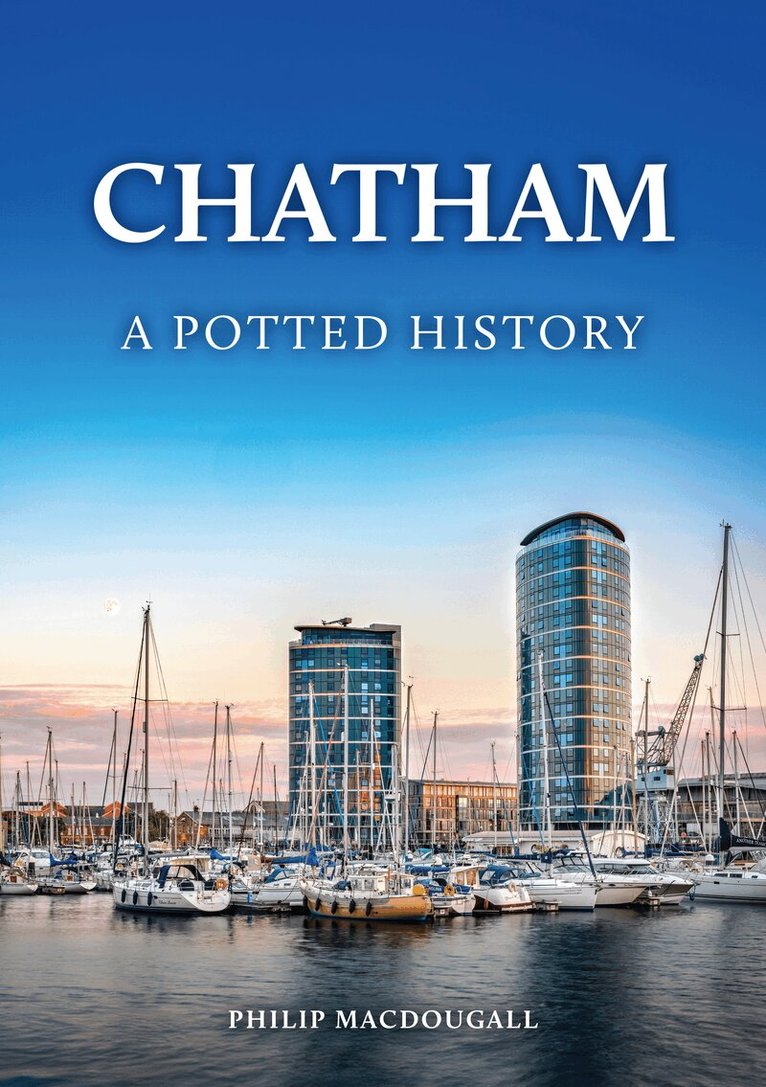
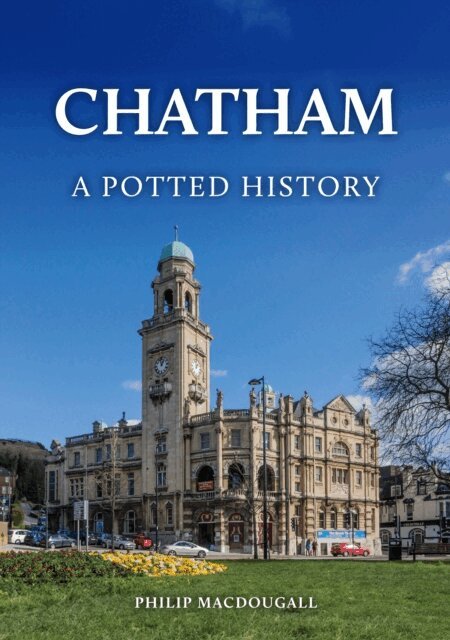
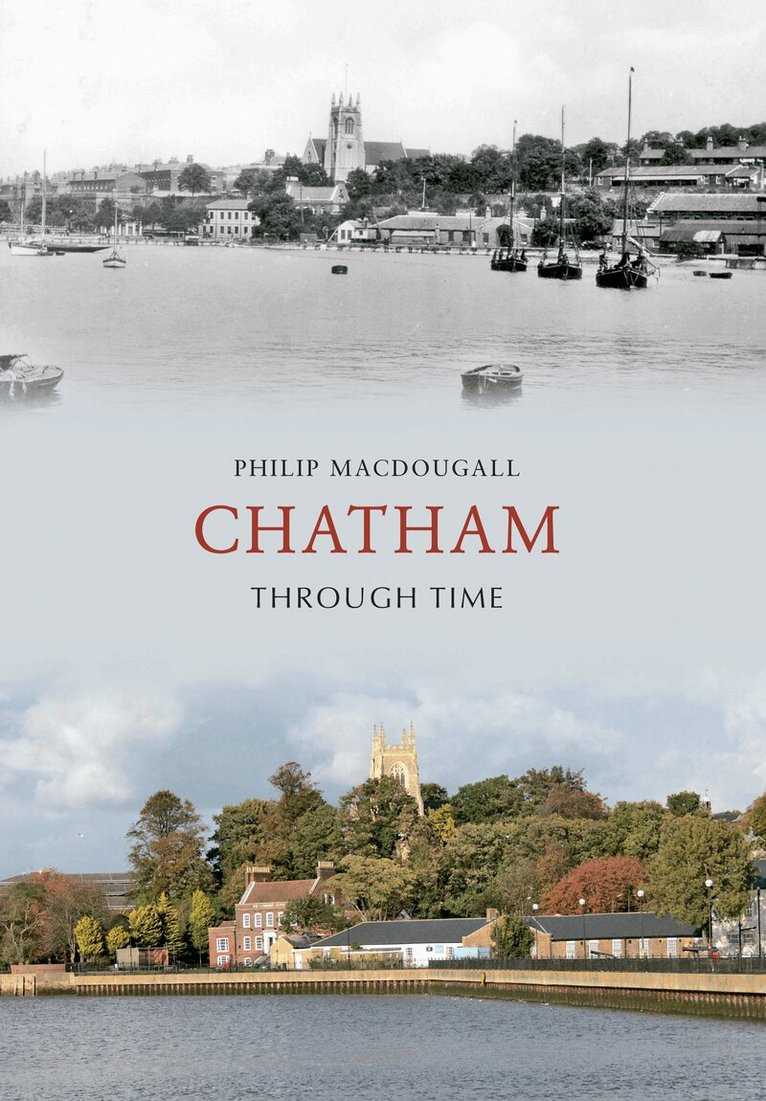
Chatham is primarily known for its long-term association with the Royal Navy; its naval dockyard at one time was one of the world’s largest employers of a civilian workforce. Yet there is much more to Chatham than being home to the Royal Navy. This book presents the history of the town of Chatham, including those who lived alongside the dockyard and those who supported the artisans and labourers employed in the yard. Chatham’s military connections also significantly influenced the way the town developed over the centuries. In the nineteenth century Chatham had an impact on Charles Dickens as he spent his early years in the town, and it influenced his writings later. This book about Chatham and its people shows how this growing community adapted to its long-term conversion into a militaryindustrial stronghold designed for the defence of the nation.Illustrated throughout, this accessible historical portrait of the transformation that Chatham has undergone through the ages will be of great interest to residents, visitors and all those with links to the town.
265 kr
Skickas
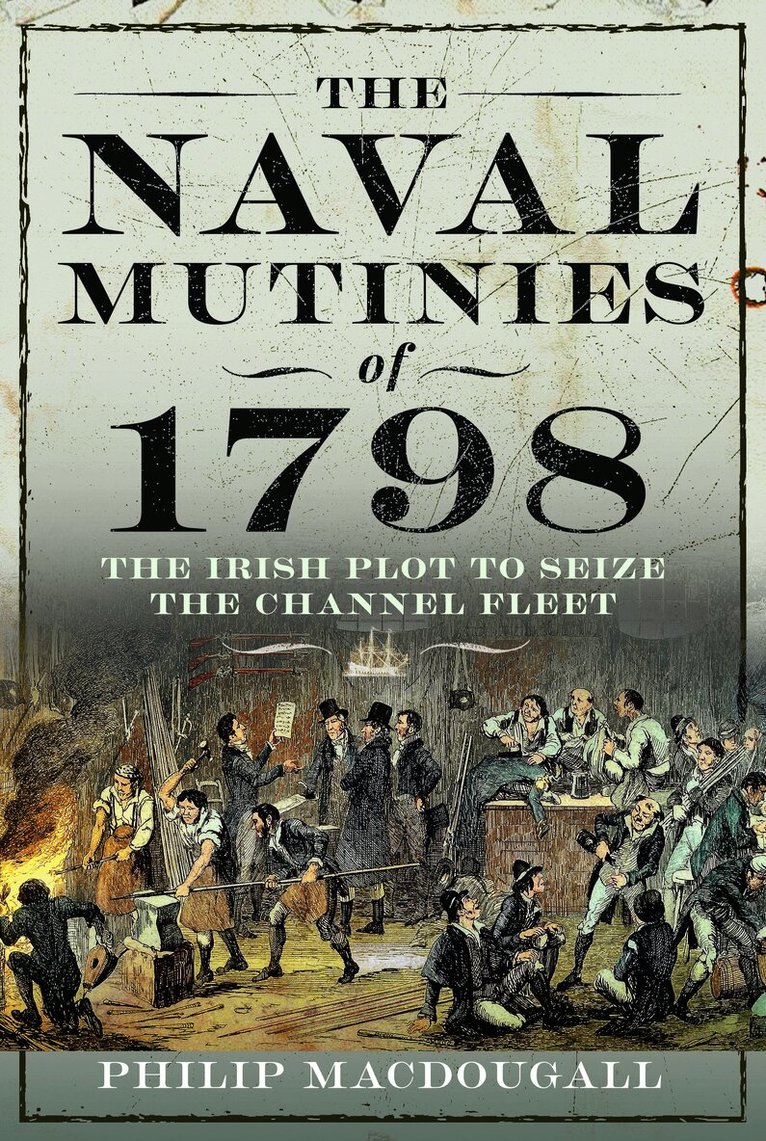
For Ireland, the year 1798 saw a major rebellion breaking out against rule from London, a time in which Britain was in its fifth year of a hard-fought war against revolutionary France. Set in motion by the Society of United Irishmen, an underground organisation with links to Paris, the rebellion was eventually crushed by an overwhelming force of arms. In this new, dramatic account, Philip MacDougall shines a light on a little covered aspect of this history: the United Irish plot to capture a number of British warships and the planned use of those vessels in support of the rebellion that broke out in 1798\. The means by which those ships were to be taken, not by direct external attack but by mutinous intrigue directed from on board, is fully explored.While ships blockading the French port of Brest returned to re-victual in Cawsand Bay, with many of the officers on shore leave, it was an ideal time for the plotting of mutinies. United Irishman alongside English and Scottish republicans could safely mix with those on other ships to develop a unified strategy.This book offers a micro study of how the planned mutiny plot developed and was co-ordinated. Personalities, cliques and idealists are seen as taking leading roles, with attention given to the motivating issues that lay behind those risk takers who knew that failure would result in likely hanging from the yardarm. Based on research from the National Archives, contemporary newspaper reports and the detailed hand written minutes of the courts martial held upon those identified as rebel leaders and some of their supporters (containing the actual words of the people of the lower deck) this is a full and balanced account of the plot which, if successful, would have re-written history.
172 kr
Skickas
Dr Philip MacDougall, local historian, takes you on a journey through the City of Chichester revealing much of its lesser-known history. Here you will find the story behind the city’s nineteenth-century banking crisis, the activities of a London mob of criminals who targeted the Goodwood races, a fascinating collection of letters written during the First World War and even how local politicians once bribed potential voters with lashings of beer.Blending the serious and the not so serious and drawing heavily on primary sources, including newspapers and original documents, Secret Chichester gives a fascinating look at this city’s past with images from long ago and today.
177 kr
Skickas
The modern town of Gillingham grew up on the banks of the River Medway around the Royal Naval Dockyard of Chatham, most of which actually lay within Gillingham. The sixteenth century saw the expansion of the one-time fishing and farming village of ‘Jyllingham’ into a town. The population of the town expanded as the dockyard, with its accompanying fortifications around the Medway, grew, and today Gillingham is the largest town in the Medway area.In this book Philip MacDougall investigates Gillingham’s past, including many lesser-known and secret events, including a hidden English warship sunk by the Dutch when they invaded the Medway and that was still under the foundations of the dockyard; the prison hulks for convicts and prisoners of war moored in the River Medway, off Gillingham; an attempt to turn the town into a seaside resort to rival Margate; Jezreel’s Tower and the unusual sect that built it; the country’s worst death toll from a single bomb dropped in the First World War; and failure to prepare the town for the threatened mass bombing of the Second World War.Secret Gillingham explores the lesser-known episodes and characters in the history of Gillingham through the centuries. With tales of remarkable people and unusual events, and fully illustrated, this book will appeal to all those with an interest in this town in Kent.
1 221 kr
Skickas inom 10-15 vardagar
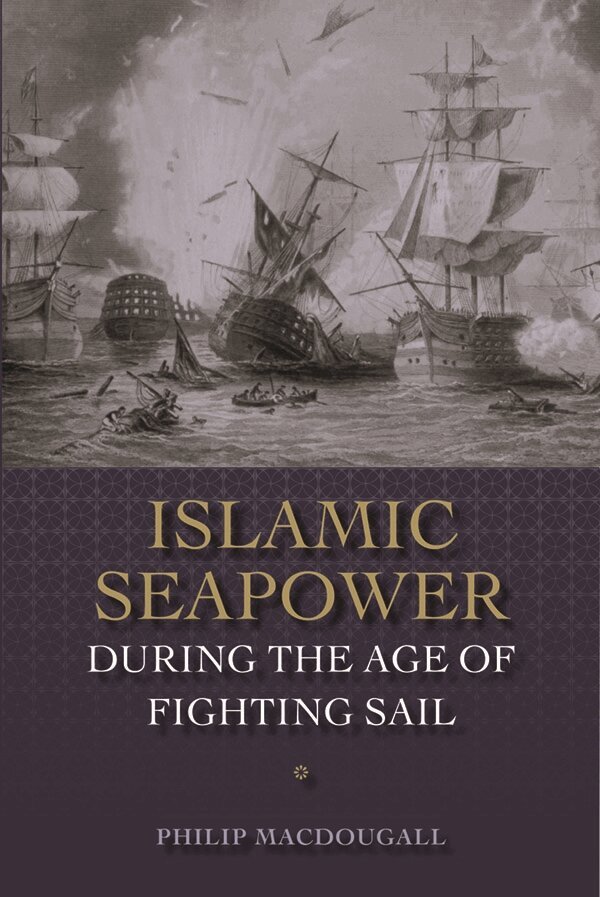
Shows how extensive the naval power of Islamic states was, charts the rise and fall of Islamic navies, and outlines the various wars and campaigns in which Islamic navies were involved.Studies of the "Age of Fighting Sail" have tended to focus on the British or American navies, or sometimes on those of France or Spain. However, there were also at this time very significant navies built by the Islamic powers: theNorth African Barbary states, whose ships, allegedly pirates, plagued Mediterranean shipping and raided even as far as Cornwall and the south coast of Ireland; the Ottoman Empire, which built some of the largest sailing warshipsever; the navies of Arabian and Indian rulers and of Persia, which were forces to be reckoned with in the Indian Ocean; and more. This book presents a comprehensive survey of Islamic seapower from about the beginning of the seventeenth century until the middle of the nineteenth century, charting the rise and fall of different Islamic navies. It focuses on strategy, examining the development and implementation of naval policy and exploring the technology that supported it. It considers the wars Islamic navies participated in, covers all the areas in which Islamic navies operated, and relates Islamic naval power to wider international power politics. The book highlights in particularthe importance of the large Ottoman navy, which influenced and gave a lead to other Islamic naval powers.PHILIP MACDOUGALL was formerly a Lecturer in the Department of Economic History at the University of Kent. He isthe author and editor of several books on maritime history, including The Naval Mutinies of 1797 (Boydell, 2011) and Naval Resistance to Britain's Growing Power in India, 1660-1800 (Boydell, 2014).
1 078 kr
Skickas inom 5-8 vardagar
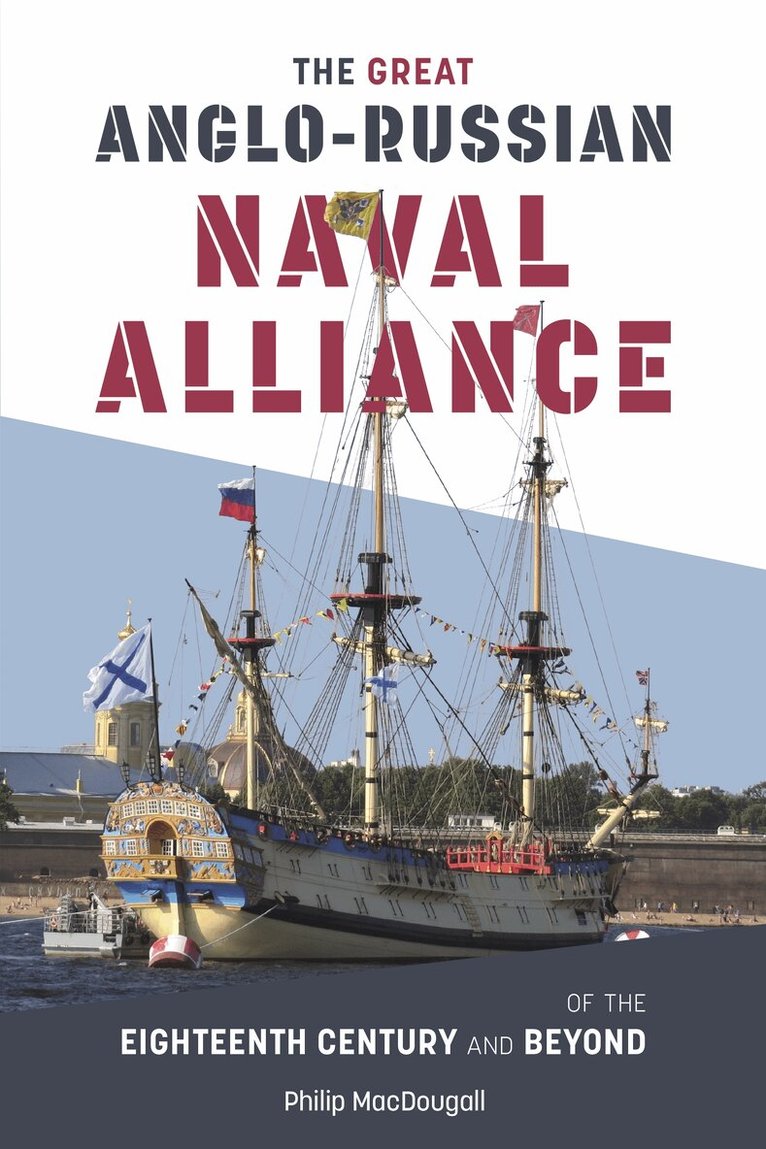
Examines Naval co-operation between Britain and Russia and the often underappreciated prowess of the Russian navy.Naval co-operation between Britain and Russia continued throughout the eighteenth century, with Britain providing huge assistance to the growth of Russia's navy, and Russia making an essential but often overlooked contribution to Britain's maritime power in the period. From 1698 when Tsar Peter the Great served briefly as a trainee shipwright at Deptford dockyard Russia recruited British, often Scottish, shipwrights, engineers, naval officers and naval surgeons who both helped build up the Russian navy and who were also key advisers to the Russian navy at sea. At the same time, naval stores from Russia, especially after Britain lost the American colonies, were vital for the maintenance of Britain's fleet. Moreover, as this book argues, Russian naval power was much more formidable than is often realised, with the Russian navy active alongside the British fleet in the North Sea and winning decisive battles against the Ottoman navy in the Mediterranean, including the battles of Çeşme in 1770 and Navarino in 1827. Britain did well to have Russia as a naval ally rather than an enemy. This book provides a comprehensive overview of this important subject, at a time when Britain's relationship with Russia is of considerable concern.
1 204 kr
Skickas inom 5-8 vardagar
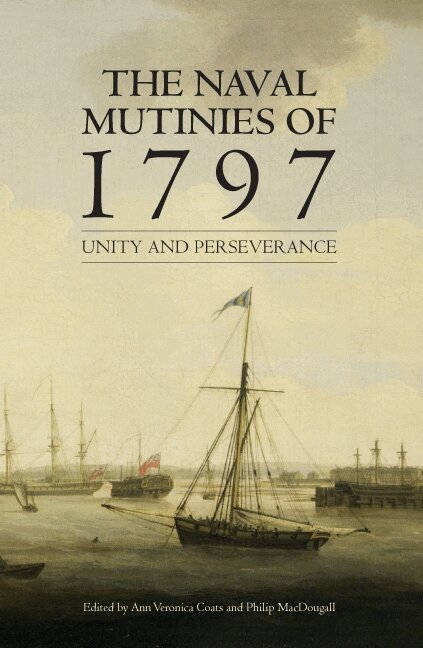
A reassessment of the naval mutinies of 1797, arguing that the mutinies were more industrial dispute than expression of French revolution inspired political radicalism.The naval mutinies of 1797 were unprecedented in scale and impressive in their level of organisation. Under threat of French invasion, crews in the Royal Navy's home fleet, after making clear demands, refused to sail until their demands were met. Subsequent mutinies affected the crews of more than one hundred ships in at least five home anchorages, replicated in the Mediterranean, Atlantic and Indian Ocean.Channel Fleet seamen pursued their grievances of pay and conditions by traditional petitions to their commanding officer, Admiral Richard Howe, but his flawed comprehension and communications were further exacerbated by the Admiralty. The Spithead mutiny became the seamen'slast resort. Ironically Howe acknowledged the justice of their position and was instrumental in resolving the Spithead mutiny, but this did not prevent occurrences at the Nore and elsewhere.The most extensive approach sinceConrad Gill's seminal and eponymous volume of 1913, The Naval Mutinies of 1797 focuses on new research, re-evaluating the causes, events, interpretations, discipline, relationships between officers and men, political inputs and affiliations and crucially, the rôle of the Irish and quota men. It poses new answers to old questions and suggests a new synthesis - self-determination - the seamen on their own terms. ANN VERONICA COATS is senior lecturer in the the School of Civil Engineering and Surveying at the University of Portsmouth and is Secretary of the Naval Dockyards Society. PHILIP MACDOUGALL is a writer and historian, author of seven books, with a doctorateon naval history from the University of Kent at Canterbury.
Del 10 - Worlds of the East India Company
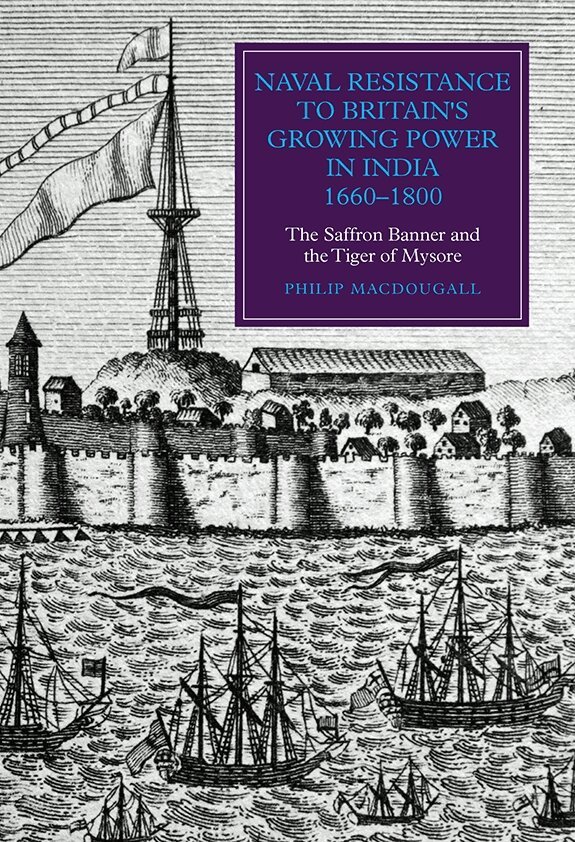
Naval Resistance to Britain's Growing Power in India, 1660-1800
The Saffron Banner and the Tiger of Mysore
Inbunden, Engelska, 2014
1 078 kr
Skickas inom 5-8 vardagar
Reveals, from a non-Eurocentric perspective, how Indian states developed and implemented maritime strategies which posed a serious threat to British naval power in the region.Most books on the colonisation of India view the subject in Eurocentric imperial terms, focusing on the ways in which European powers competed with each other on land and at sea and defeated Indian states on land, and viewing Indian states as having little interest in naval matters. This book, in contrast, reveals that there was substantial naval activity on the part of some Indian states and that this activity represented a serious threat to Britain's naval power. Considering the subject from an Indian point of view, the book discusses the naval activities of the Mahratta Confederacy and later those of Mysore under its energetic rulers Haidar Ali and his successor Tipu Sultan. Itshows how these states chose deliberately to develop a naval strategy, seeing this as the most effective way of expelling the British from India; how their strategies learned from European maritime technology, successfully blending this with Indian technology; how their opposition to British naval power was at its most effective when they allied themselves with the other European naval powers in the region - France, Portugal and the Netherlands, whose maritime activities in the region are fully outlined and assessed; and how ultimately the Indian states' naval strategies failed.Philip MacDougall, a former lecturer in economic history at the University of Kent, is a founder member of the Navy Dockyards Society, editor of the Society's Transactions, and the author or editor of seven books in maritime history, including The Naval Mutinies of 1797 (The Boydell Press, 2011).