Philip Warner – författare
Visar alla böcker från författaren Philip Warner. Handla med fri frakt och snabb leverans.
18 produkter
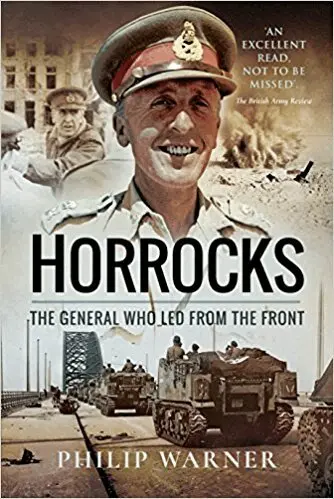
Horrocks, The General Who Led from the Front
Häftad, 2018
165 kr
Lägg i varukorg
Lieutenant General Sir Brian Horrocks was a legend in his lifetime. He leapt to fame as a Brigade, Divisional and Corps Commander during the Second World War where his dashing style, good luck and easy manner won him huge respect and great success. He was happiest in the frontline and yet his …
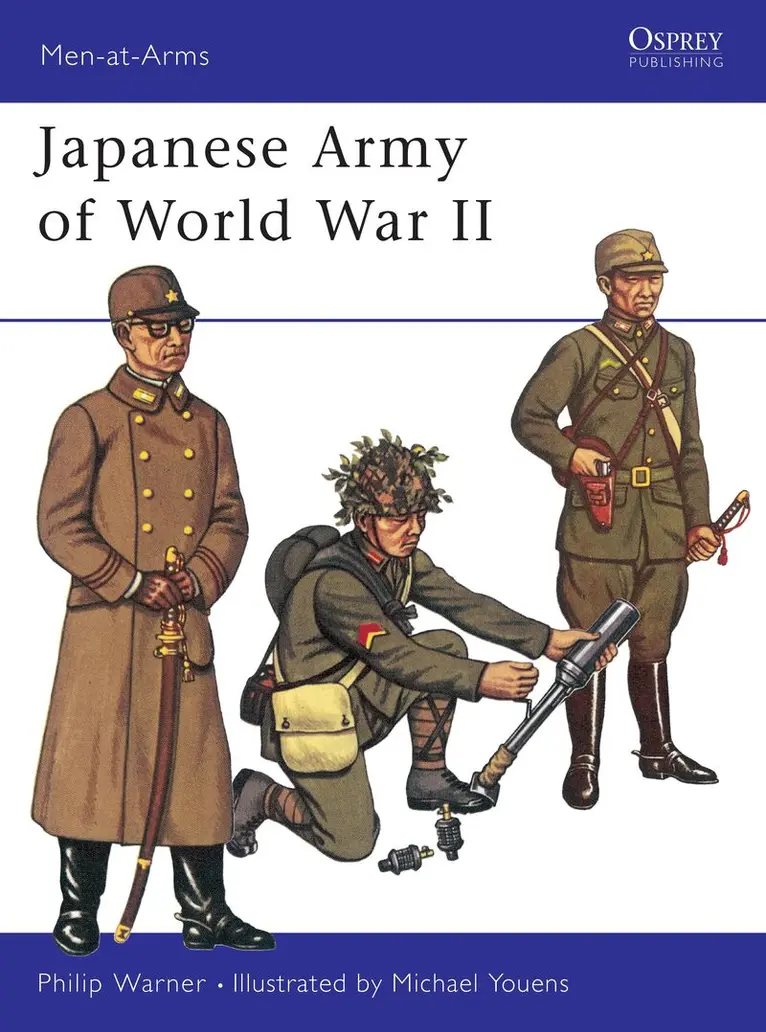
Japanese Army of World War II
Häftad, 1973
161 kr
Lägg i varukorg
In 1941 the Allied forces in the Pacific were devastatingly unprepared for the onslaught of the Japanese Army, which by this time had been fighting for ten years on the Manchurian front.The Allies paid dearly for their lack of planning and found themselves defeated time and time again as the …
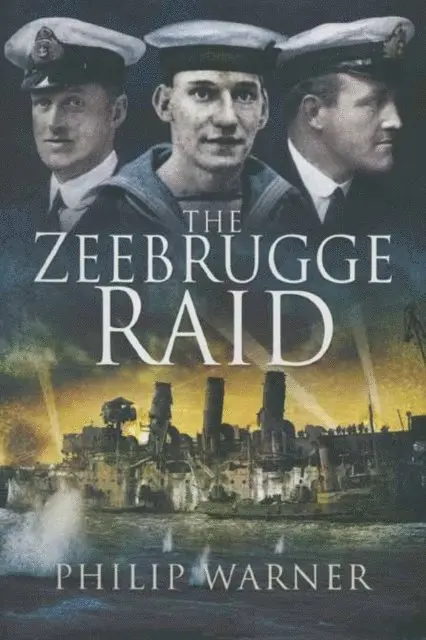
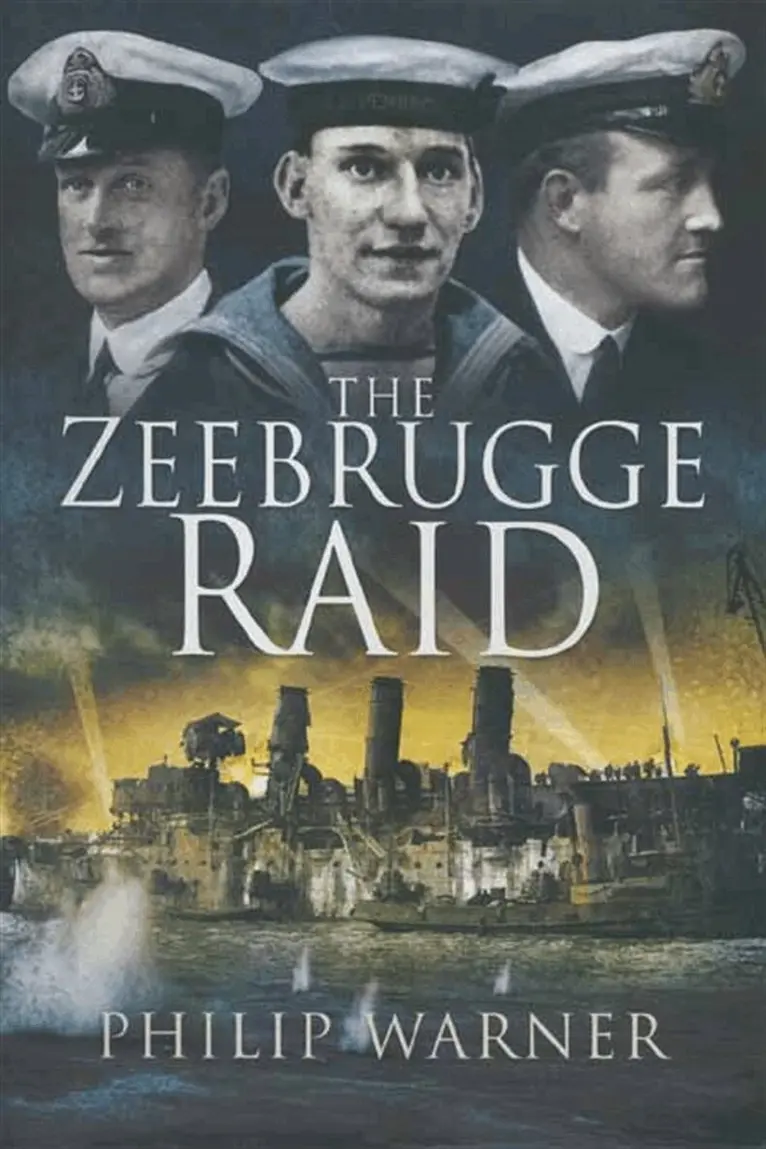
Zeebrugge Raid
E-bok, 2008
132 kr
Lägg i varukorg
On 23 April 1918 a force drawn from the Royal Navy and Royal Marines launched one of the most daring raids in history. The aim was to block the Zeebrugge Canal, thereby denying U-boat access, although this meant assaulting a powerfully fortified German naval base. The raid has long been recognised …
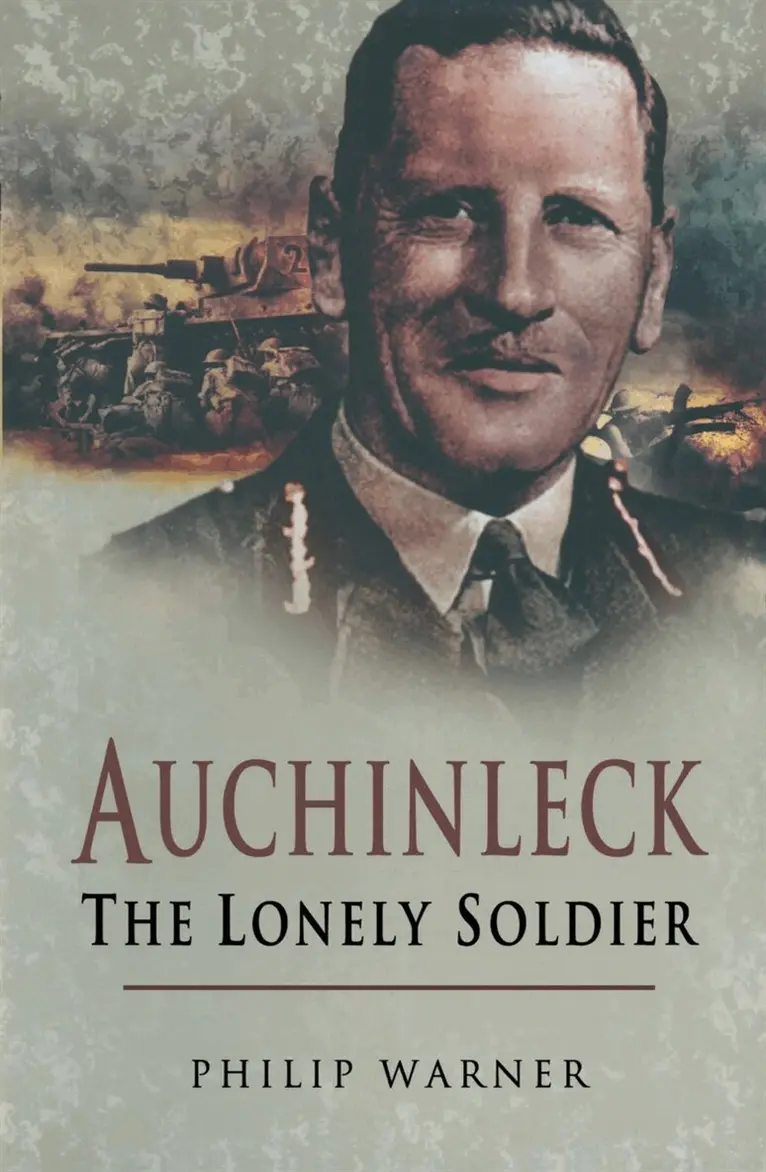
Auchinleck
The Lonely Soldier
E-bok, 2021
126 kr
Lägg i varukorg
Field Marshal Sir Claude Auchinleck was born in India and raised in conditions of near poverty. Yet his talent ensured his career flourished despite his Indian Army background and he was the first Commander of 8th Army in North Africa. Despite great political interference, he stopped Rommel's …
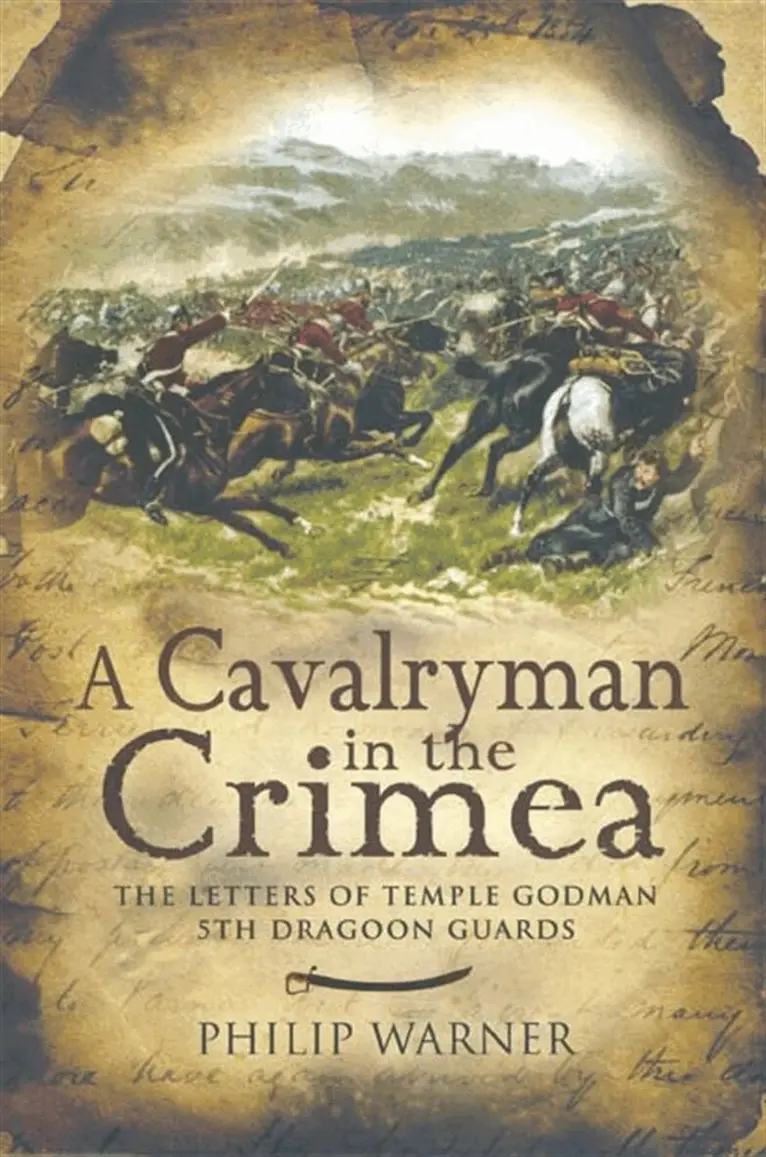
A Cavalryman in the Crimea
The Letters of Temple Godman, 5th Dragoon Guards
E-bok, 2021
130 kr
Lägg i varukorg
Among the British troops bound for the Black Sea in May 1854 was a young officer in the 5th Dragoon Guards, Richard Temple Godman, who sent home throughout the entire Crimea campaign many detailed letters to his family at Park Hatch in Surrey. Temple Godman went out at the start of the war, took …
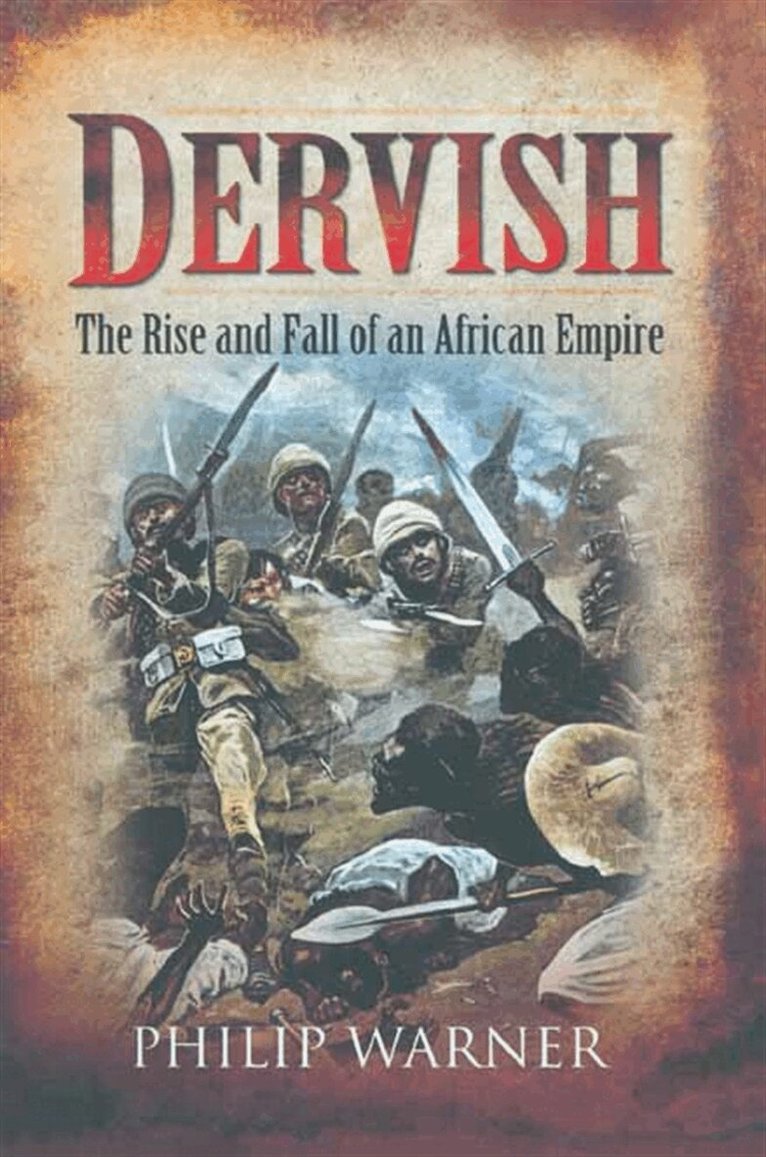
Dervish
The Rise and Fall of an African Empire
E-bok, 2021
126 kr
Lägg i varukorg
Dervish is the vivid and colourful story of one of the more remarkable episodes in the ‘high Empire’ period of British history. The Mahdi’s rising in the Sudan in the 1880s starting as a localized Holy War against the ‘decadent’ Turkish/Egyptian overlords, engulfed a million square miles of arid …
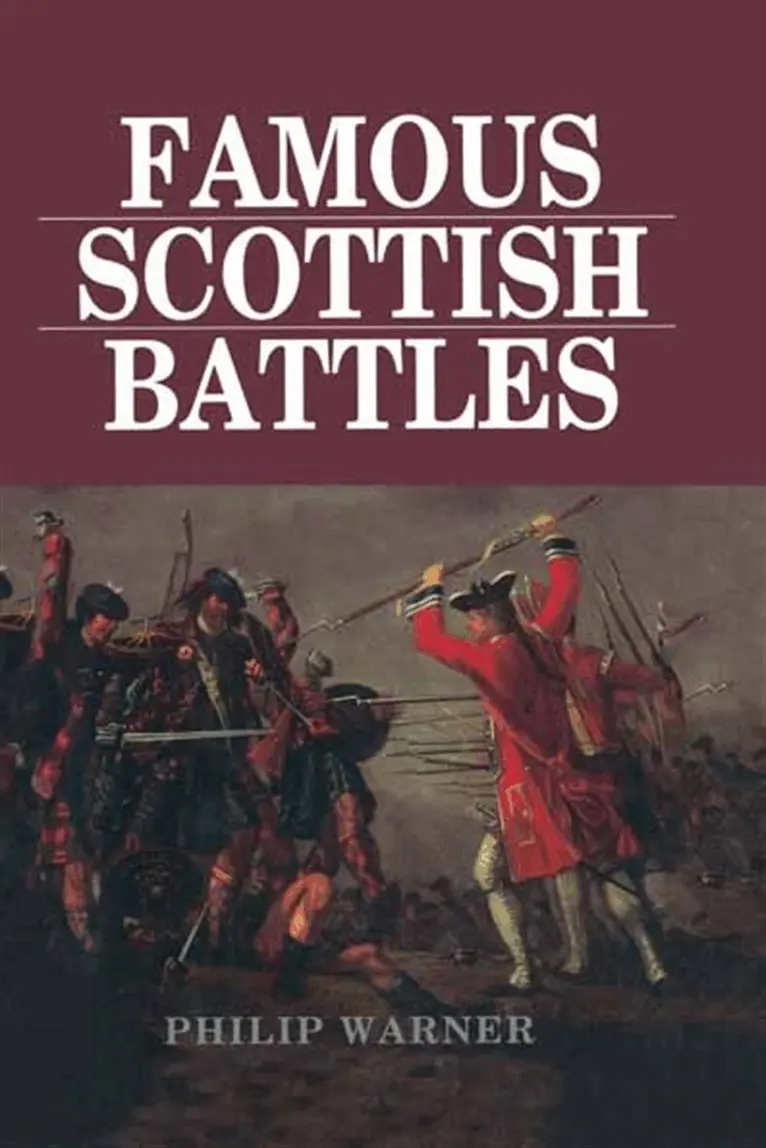
Famous Scottish Battles
E-bok, 2021
126 kr
Lägg i varukorg
The author gives a vivid account of Scottish military history from the coming of the Romans to Scotland to the Battle of Culloden in 1746. There are detailed descriptions of sixteen of the most important battles with up-to-date maps which enable the reader and visitor to find and understand the …
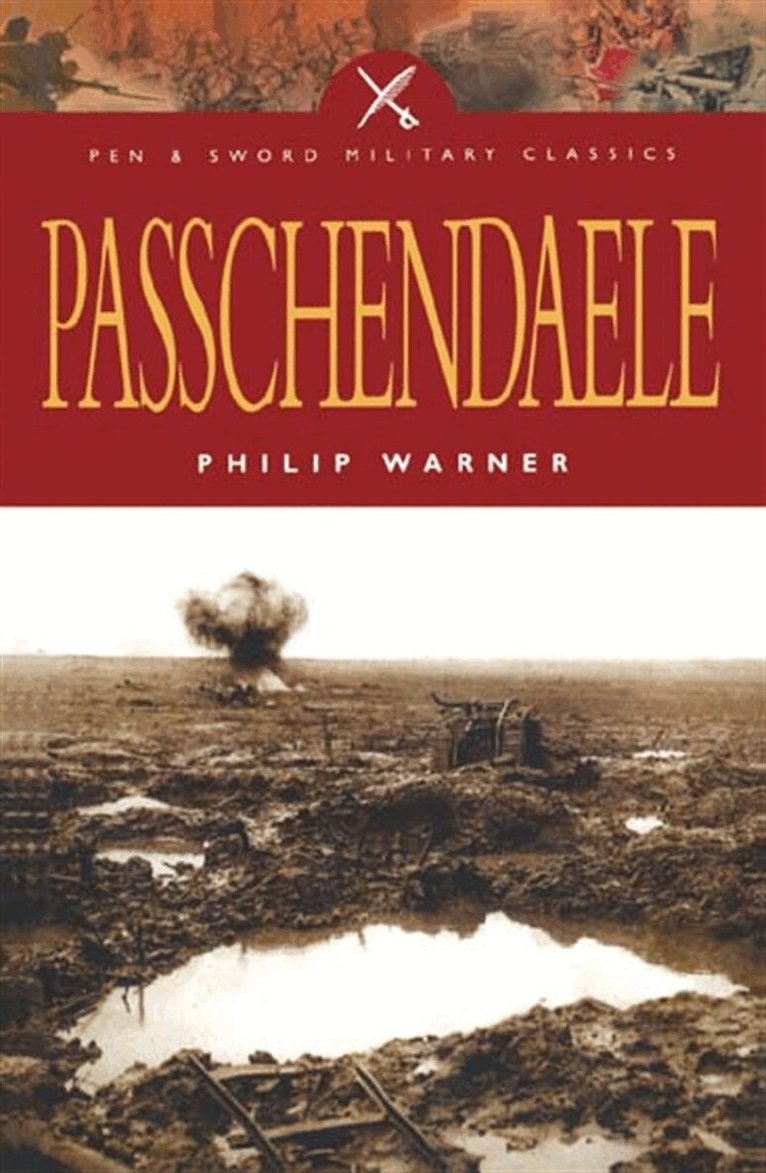
Passchendaele
E-bok, 2021
126 kr
Lägg i varukorg
Nearly ninety years ago, on 31st July 1917, the small Belgian village of Passchendaele became the focus for one of the most gruelling, bloody and bizarre battles of World War 1. By 6th November, when Passchendaele village and the ridge were captured, over half a million British, French, Canadians, …
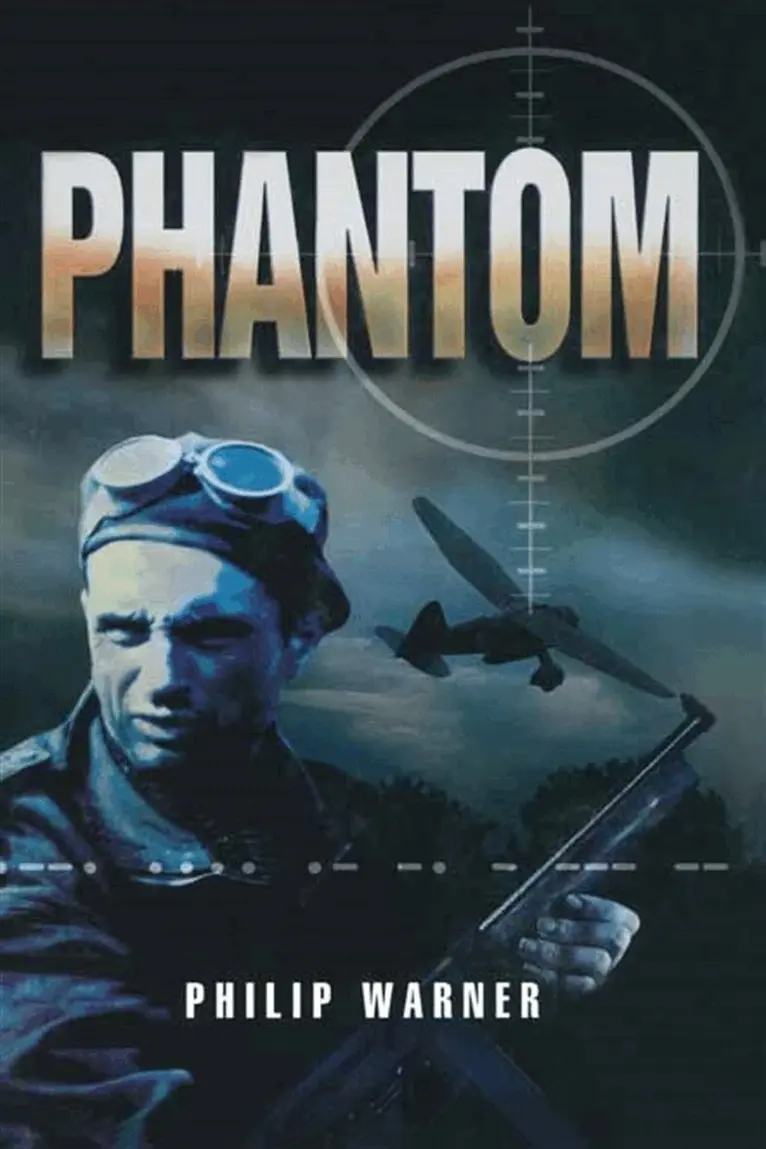
Phantom
E-bok, 2021
126 kr
Lägg i varukorg
PHANTOM was - and still is - one of the most secret but most effective of the wartime special regiments. It was formed in 1939 with the mission of finding out exactly where all the Allied forward positions were - a task which required linguistic ability, unlimited tact, and radio expertise. After …
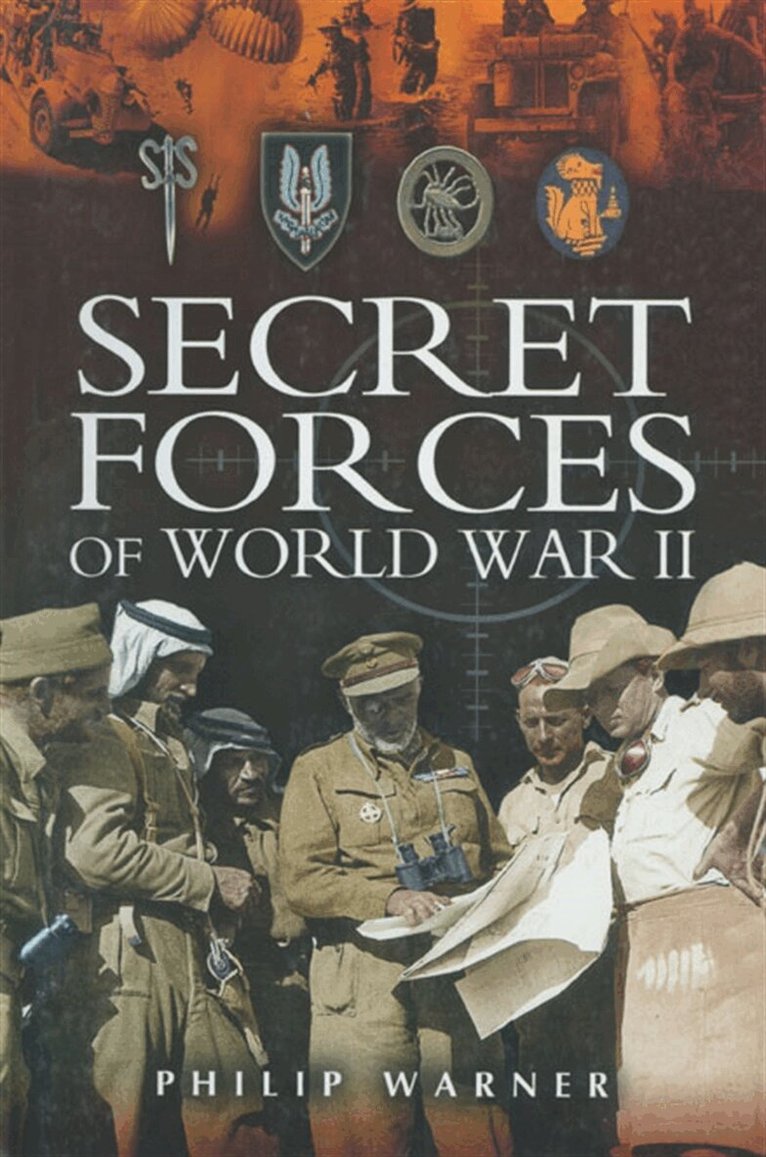
Secret Forces of World War II
E-bok, 2021
126 kr
Lägg i varukorg
One of the lasting legacies of World War 2 was the proliferation of what today are known as Special Forces. At the time many soldiers, often of high rank regarded these units as nothing short of ill-disciplined cowboys or worse! However desperate times called for desperate measures and there were …
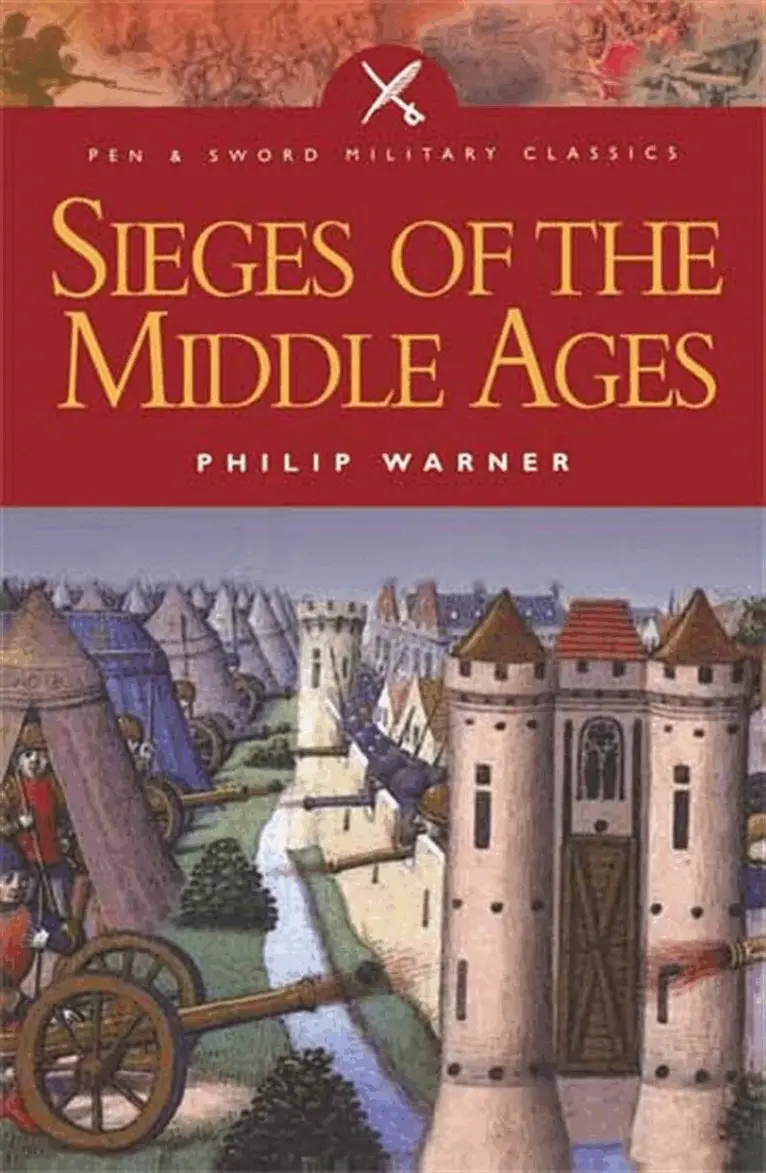
Sieges of the Middle Ages
E-bok, 2021
126 kr
Lägg i varukorg
In the Middle Ages the castle was an important military and administrative centre, essentially utilitarian in its design and in the purposes it served. Because it played so central a role in medieval history, and because the wealth of material is so great, the author has concentrated on English …
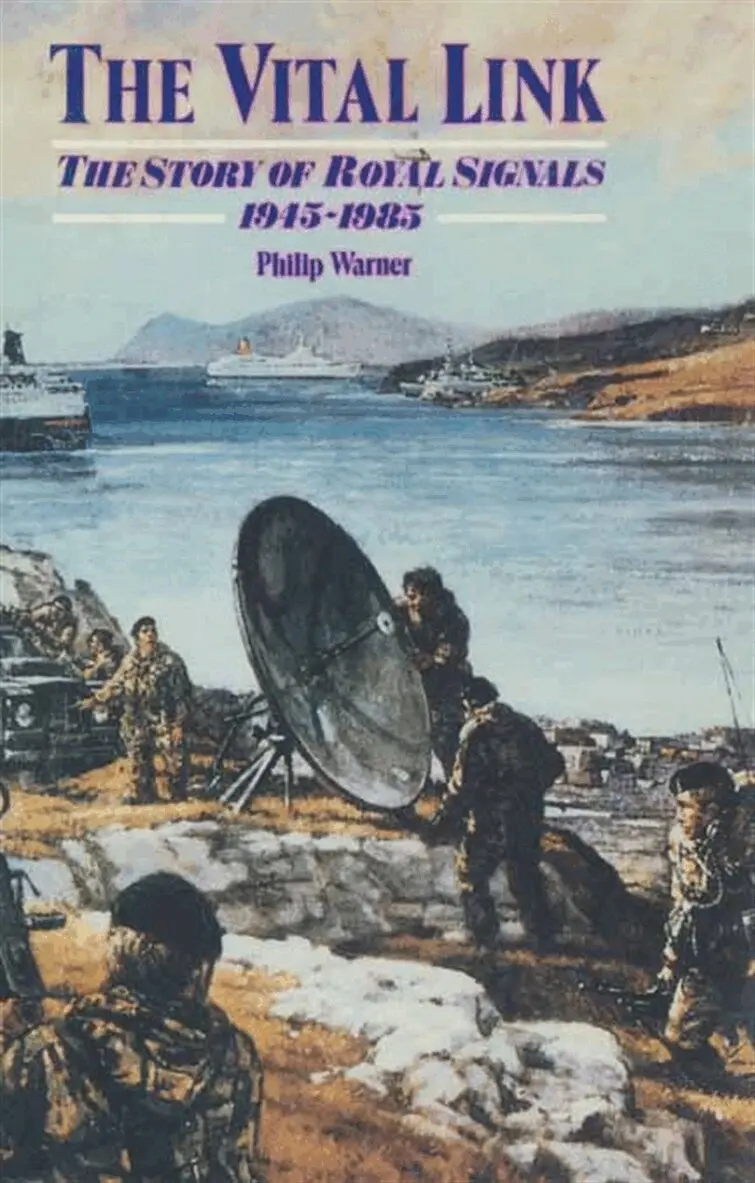
The Vital Link
The Story of Royal Signals, 1945–1985
E-bok, 2021
126 kr
Lägg i varukorg
To maintain the link of communication between battlefields and HQ, between commanders and soldiers, between physically distant Corps is the vital job of the Royal Signal. But the responsibility of the Signals extends beyond the logistical requirements of inter-personal contact Electronic …
Zeebrugge Raid
E-bok, 2021
126 kr
Lägg i varukorg
On 23 April 1918 a force drawn from the Royal Navy and Royal Marines launched one of the most daring raids in history. The aim was to block the Zeebrugge Canal, thereby denying U-boat access, although this meant assaulting a powerfully fortified German naval base. The raid has long been recognised …
Battle for France
Six Weeks That Changed The World
E-bok, 2010
88 kr
Lägg i varukorg
"Provides a fresh and invaluable explanation of the military and political events of that extraordinary campaign." —Scale Military Modeller InternationalAfter the long winter of the Phoney War, the invasion of the Low Countries and France by Hitler''s rampaging armies threw the world into crisis. …
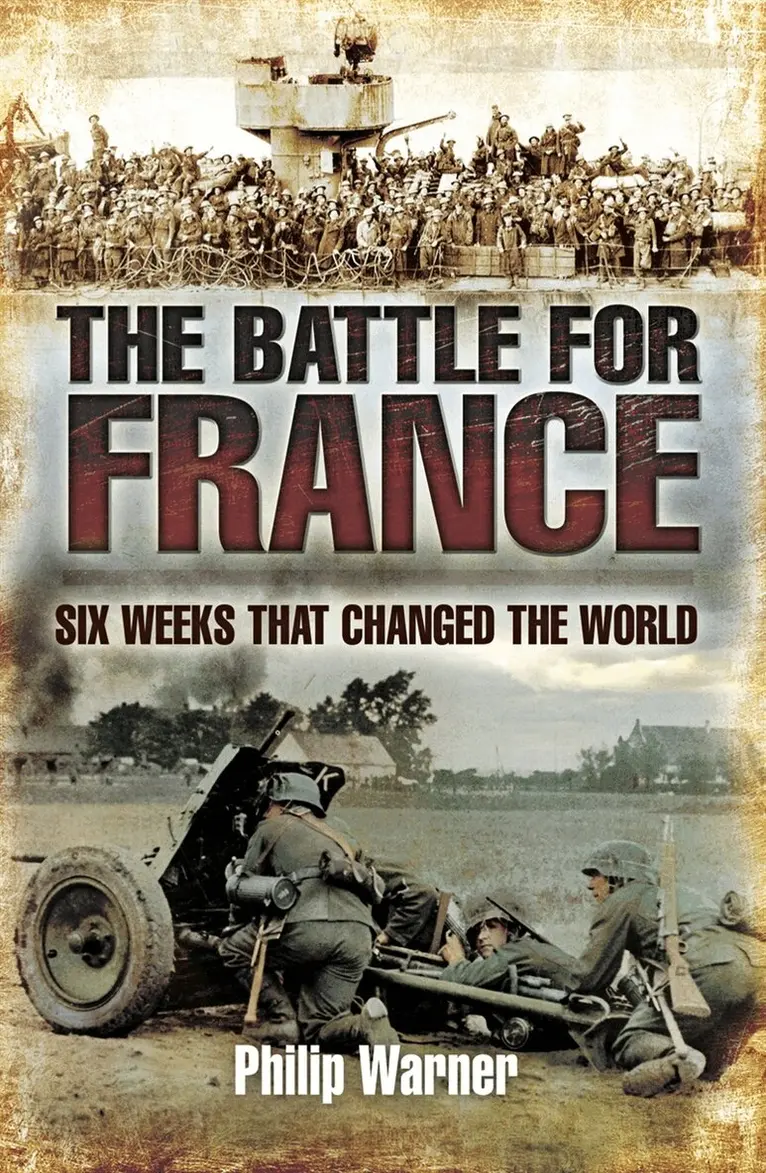
The Battle for France
Six Weeks That Changed The World
E-bok, 2021
126 kr
Lägg i varukorg
After the long winter of the Phoney War the invasion of the Low Countries and France by Hitler’s rampaging armies threw the World into crisis. Chamberlain’s Government fell, Churchill became Prime Minister. France was humiliated, the British Expeditionary Force was only saved by the miracle of …
Battle For France. 1940
Six Weeks Which Changed The World
E-bok, 2014
93 kr
Lägg i varukorg
Philip Warner has produced here a gripping account of the turbulent months of May and June 1940 and a story of courage, confusion and drama. With the perspective of history it interweaves a mass of new material, much of it revelatory, with the dramatic stories of those in the thick of action – who, …
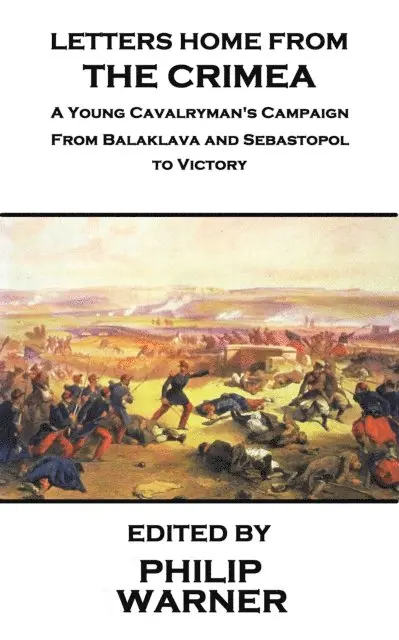
Phillip Warner - Letters Home from the Crimea: A Young Cavalryman's Crimea Campaign
A Young Cavalryman''s Crimea Campaign
Häftad, 2015
96 kr
Lägg i varukorg
Among the British troops bound for the Black Sea in May 1854 was a young officer in the 5th Dragoon Guards, Richard Temple Godman, who sent home throughout the entire Crimea campaign many detailed letters to his family at Park Hatch in Surrey. Temple Godman went out at the start of the war, took …